Friends with Benefits
15 May – 10 June 2026
Škuc Gallery, Stari trg 21, Ljubljana
Exhibition opening: Friday 15 May 2026, at 7 pm (ILY performance at 8 pm)
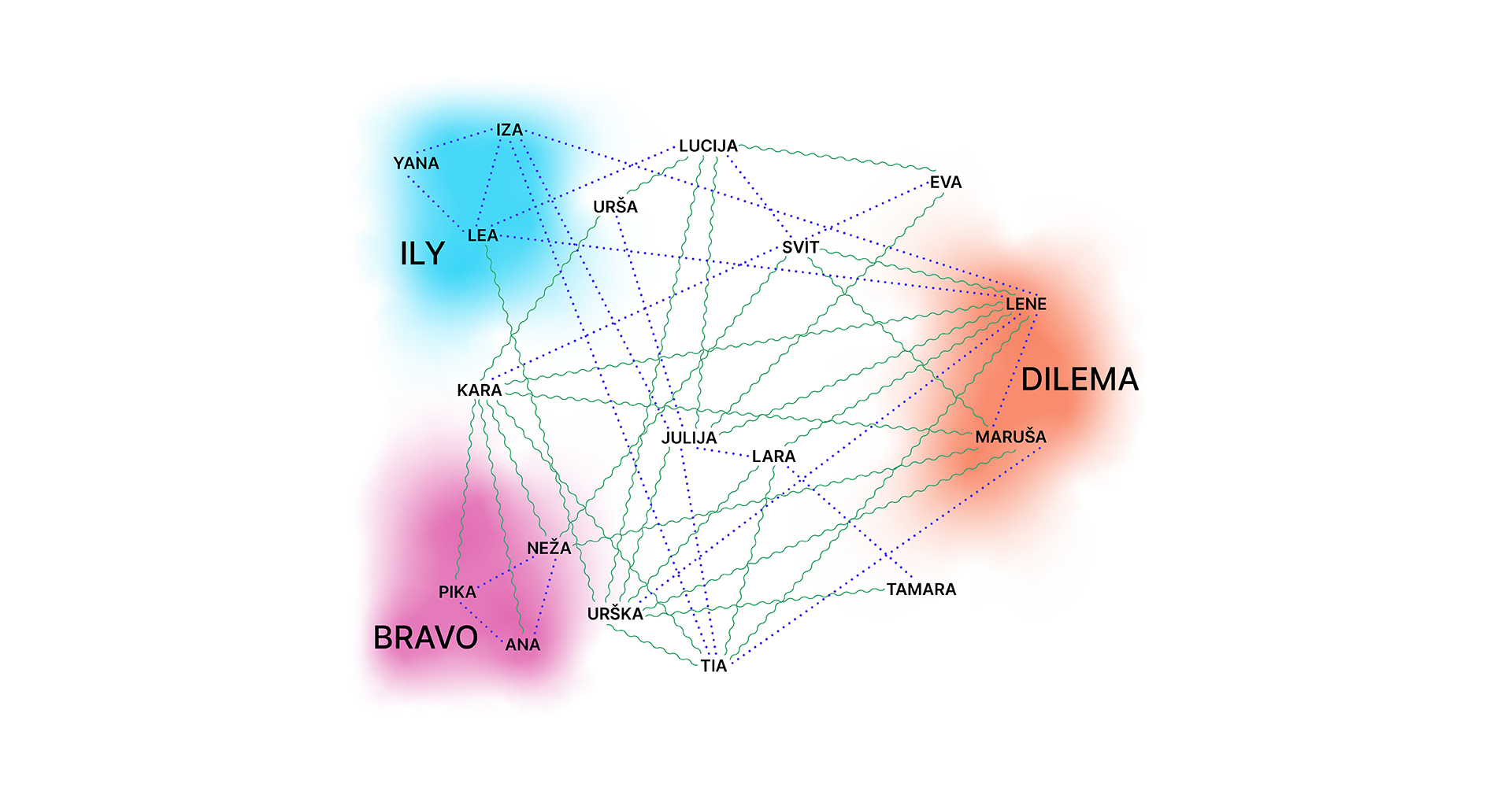
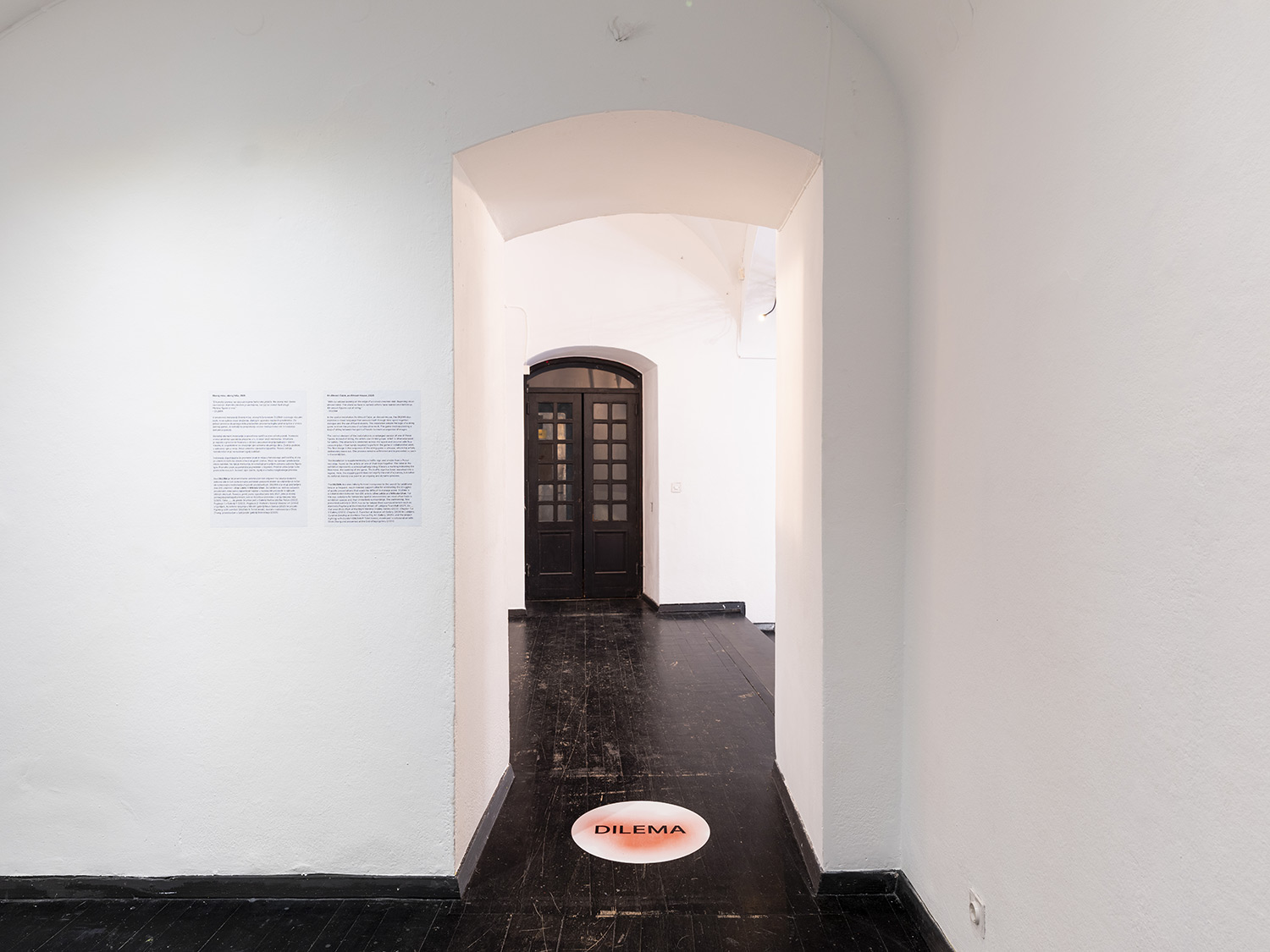
Artists: BRAVO (Ana Urbiha, Neža Urbiha, Pika Basaj), DILEMA, ILY (Iza Štrumbelj Oblak, Lea Topolovec, Yana Deliyska)
Curators: Eva Pušnik, Julija Hoda, Kara Marušič, Lucija Lunder, Svit Skobir Lampič, Tamara Pepelnik, Urša Culiberg
Mentoring support: Alenka Gregorič, Vadim Fiškin
School Heads: Lara Plavčak, Tia Čiček, Urška Aplinc
Friends with Benefits
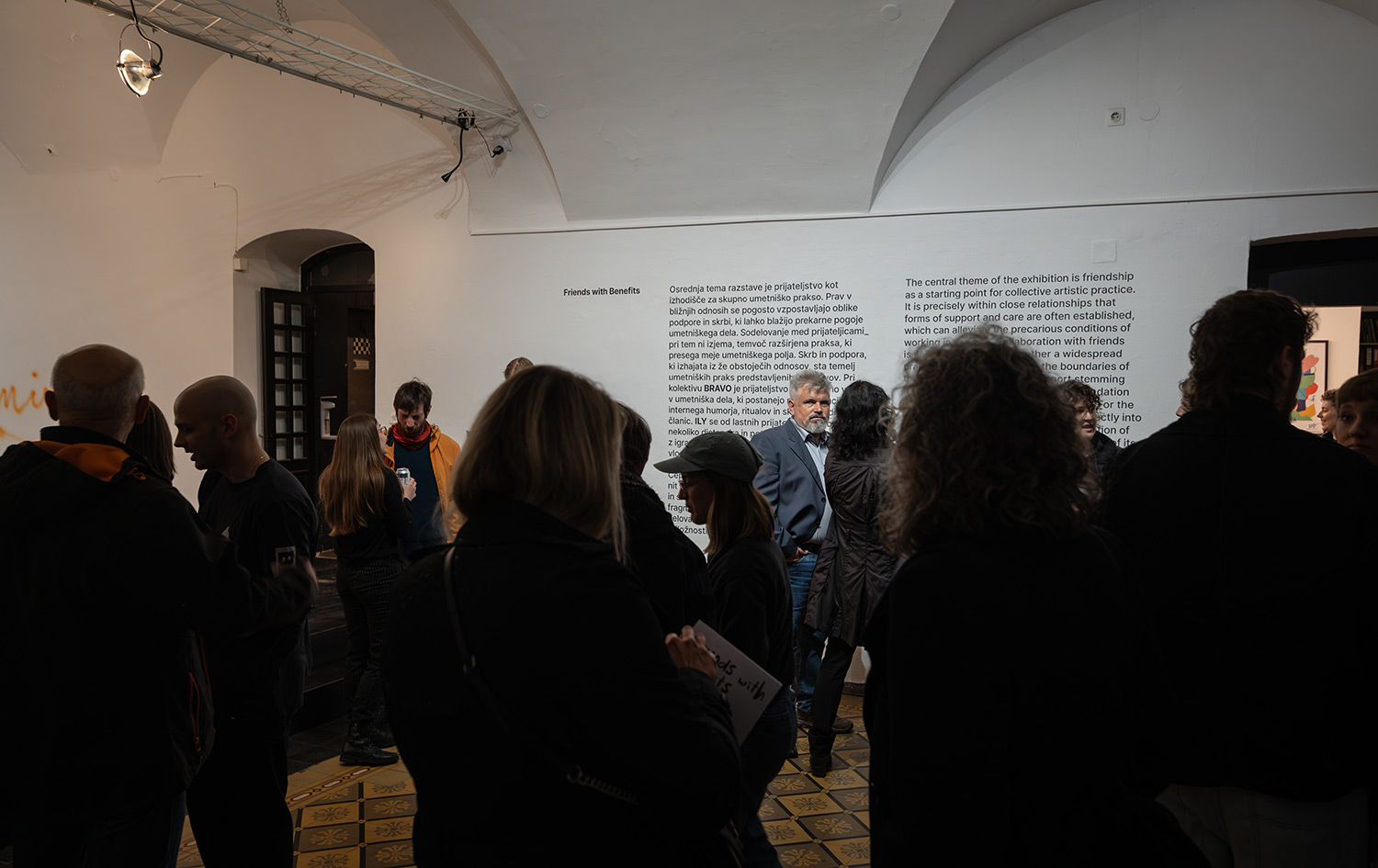
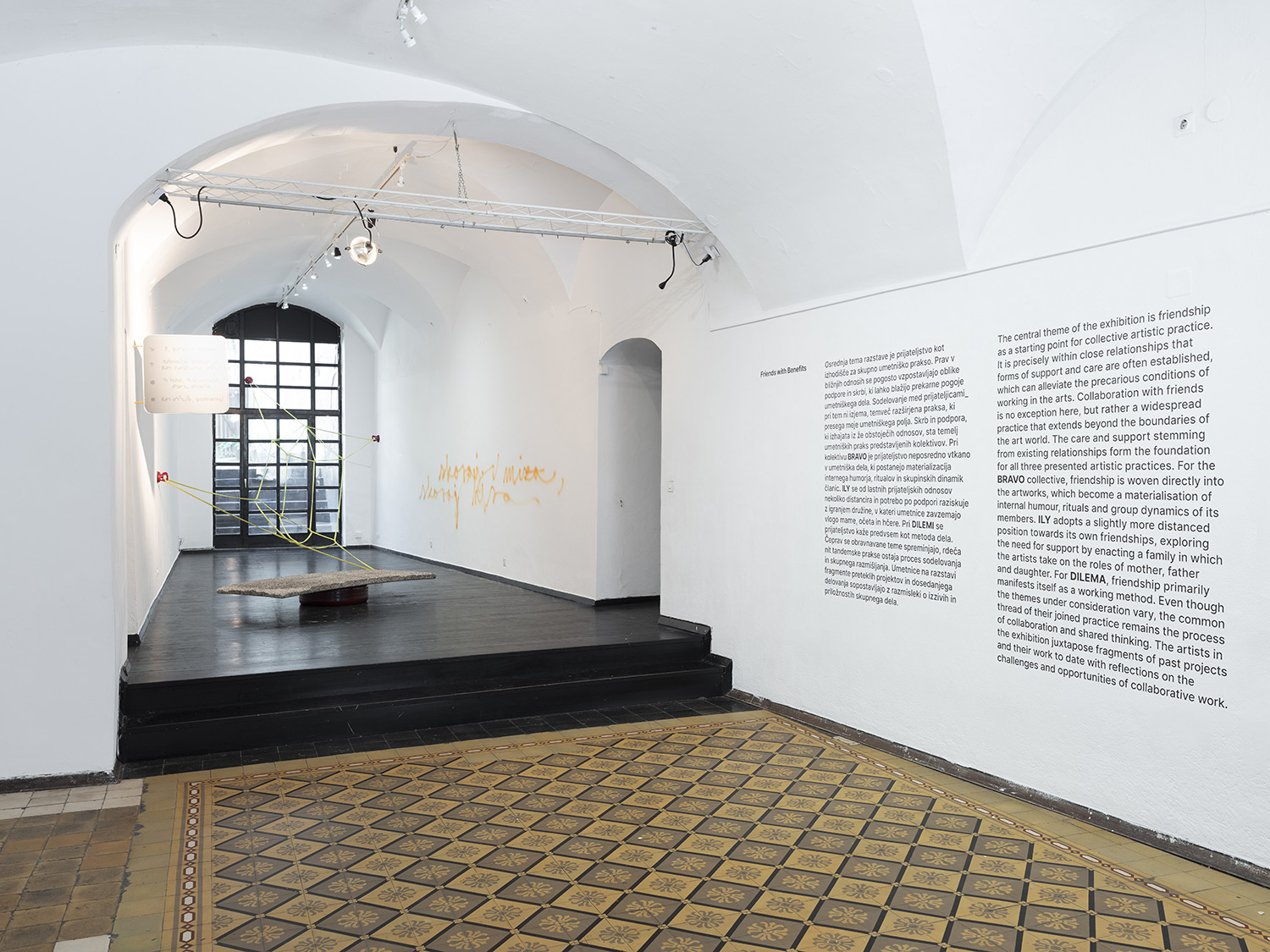
The art system often operates as a network of regular collaborations. At a systemic level, this can be understood in negative and exclusionary terms, as it may prevent access for those who do not know the decision-makers. At the individual level, however, such regular collaborations offer an opportunity to build trust and shared interests. It is precisely within close relationships that forms of support and care are often established, which can alleviate the precarious conditions of working in the arts. Collaboration with friends is no exception here, but rather a widespread practice that extends beyond the boundaries of the art world. Friendship as a starting point for collective artistic practice is the central theme of the exhibition Friends with Benefits, in which the collectives BRAVO, DILEMA and ILY highlight the challenges and advantages of working with friends.
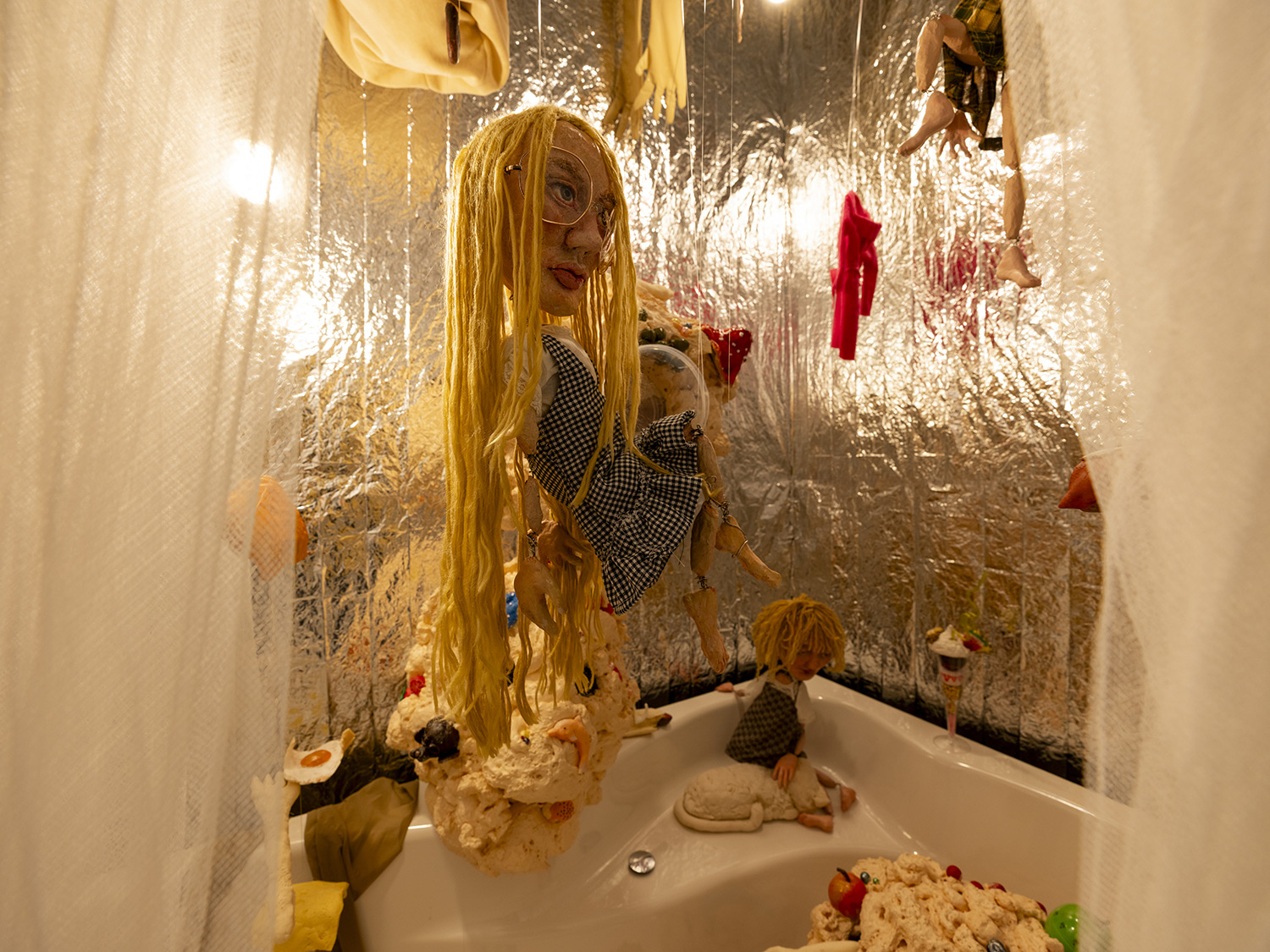
For the BRAVO collective, friendship is woven directly into the artworks, which become a materialisation of internal humour, rituals and group dynamics of its members. ILY adopts a slightly more distanced position towards its own friendships, exploring the need for support by enacting a family in which the artists take on the roles of mother, father and daughter. For DILEMA, friendship primarily manifests as a working method. Even though the themes under consideration vary, the common thread of their joint practice remains the process of collaboration and shared thinking.
The collectives in the exhibition juxtapose fragments of past projects and their work to date with reflections on the challenges and opportunities of collaborative work that are currently most relevant to them. BRAVO reflects on the changes in the members’ relationships since they no longer live together. By intentionally staging coded events, which are documented in the exhibition, they attempt to rekindle some of the lost closeness while opening up possibilities for new forms of organisation and connection. The ILY family confronts the absence of one of its members. Yana (Father) lives abroad, while Lea (Mother) and Iza (Izi) live and work in Slovenia. Through a series of participatory-performative events over the course of the exhibition, they seek a potential partner for the mother on a fictional level and a potential collaborator to continue the project on a practical level. DILEMA, with its installation presenting a variation of a string game, materialises the multi-layered process of collaborative work, which requires at least two pairs of hands. At the same time, it points out that work often begins by chance, for instance, during an outing or a break.
The challenges brought to the fore reveal that collaboration with friends is a working method inseparable from the conditions in which it arises. A significant amount of the invisible and unpaid labour that enables the functioning of the art system consists precisely of nurturing relationships and providing help and support to collaborators. Since these are fundamental elements of friendship, the caring aspects of the work can be all the more profound in artistic practices stemming from friendships, while the possibility of defining the work becomes all the more elusive. As is generally the case with work in the arts, collaboration with friends has no clearly defined boundaries. Work seeps into the time and space of friendship and leisure. It is impossible to determine when a coffee turns into a meeting, and thus where the personal relationship ends, and professional collaboration begins.
Despite these conditions, or perhaps precisely because of them, collaboration with friends can also have a soothing effect. The care and support stemming from existing relationships form the foundation for all three artistic practices. DILEMA came about from the need for additional help that its members felt while carrying out their personal projects. Through their work in the exhibition, they once again draw attention to the sense of security and playfulness that collaboration enables. Affirmation is, notably, one of the cornerstones of the BRAVO collective, already signalled in its name. Working together allows the artists to exchange ideas and opinions on the spot and respond immediately, making their artistic practice less uncertain and more reflective. The members of the ILY collective first assumed their familial roles when Iza required support for her Master’s project, with Lea and Yana stepping into the roles of encouraging parents. Since then, the fictional family has served as the point of departure for their artistic exploration.
The challenges and benefits of working together are, after all, also significant for the curatorial team that organised the exhibition as part of the World of Art school. Even though, as participants, we were brought together by chance, over the course of two years of working together, we developed personal friendships that we wished to maintain throughout the preparation of the exhibition. We were aware that working in a large, diverse group can lead to disagreements and tensions. In addressing this concern, we looked to the artistic practices of the invited collectives as examples of positively marked collaborations.
We were also curious about how the responsibility attributed to the curatorial role is influenced by our acquaintances and friendships within the art scene. The curator’s task of inviting an artist to participate in an exhibition can be an opportunity to move beyond the confines of a closed art system or an opportunity for inclusion. We believe it is important for the curator’s perspective to extend beyond the limits of their immediate network of acquaintances. At the same time, a curator at the beginning of their career is inevitably constrained by their knowledge. Our attempt to address this issue lies in transparency. While the themes explored by the collectives resonated with us precisely because of their working methods, we also wish to acknowledge that we were already acquainted with some of them, or came to know them during the school programme. The latter, in addition to its curriculum, also provides networking opportunities, demonstrating that connections are a key tool for surviving in the art system. If this is to be the case, let them be pleasant, caring and supportive.
Eva Pušnik, Julija Hoda, Kara Marušič, Lucija Lunder, Svit Skobir Lampič, Tamara Pepelnik, Urša Culiberg
22 May at 3 pm: Viewing of the exhibition with the curators and the artists – in English.
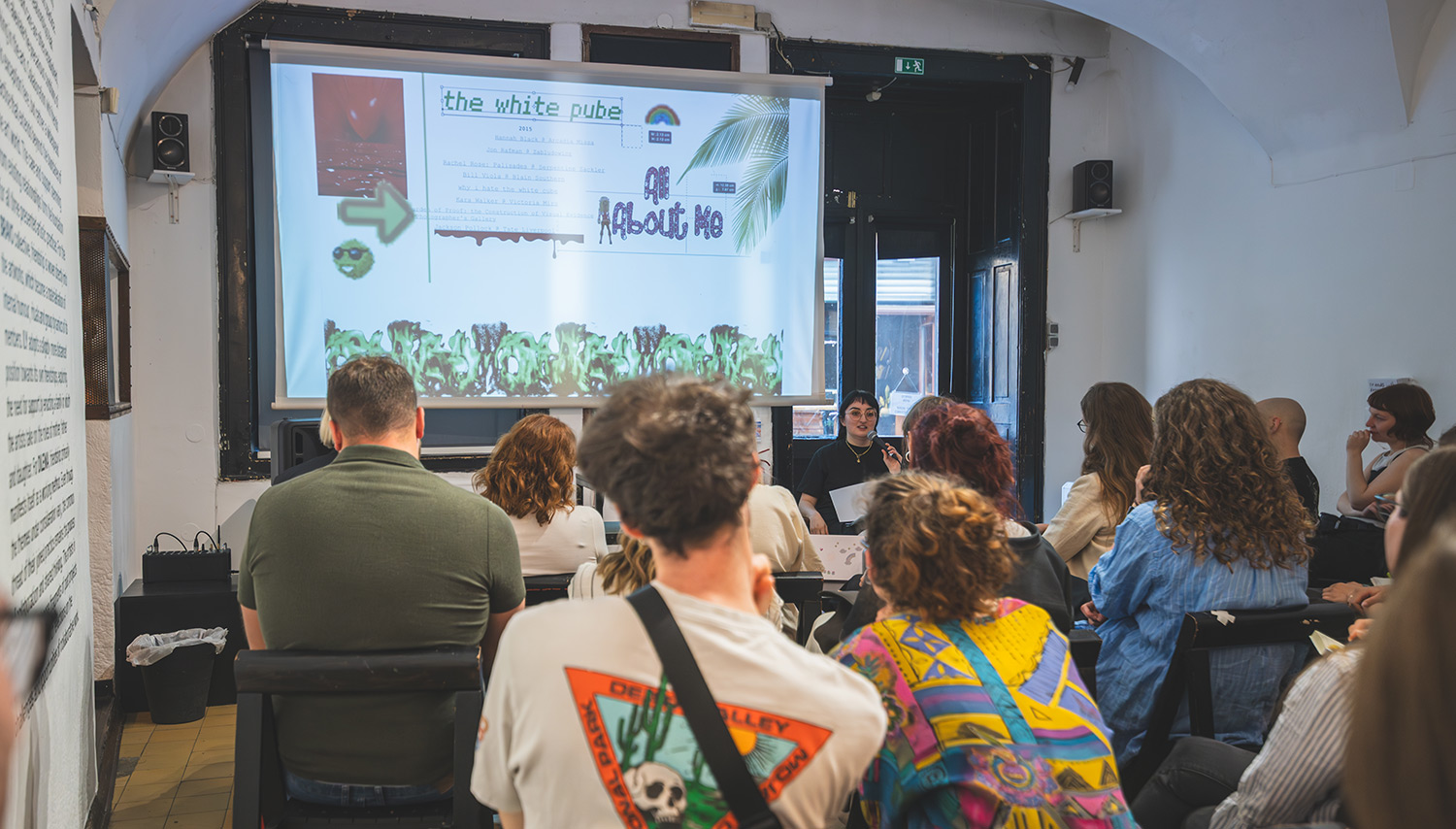
23 May at 5:30 pm: Gabrielle de la Puente (The White Pube): The Friendship Agenda, lecture and book presentation – in English.
28 May at 3 pm: Viewing of the exhibition with Peter Rot (MDSSNG), teacher of people with visual impairments, and the curators – in Slovenian, for people with blindness and visual impairments.
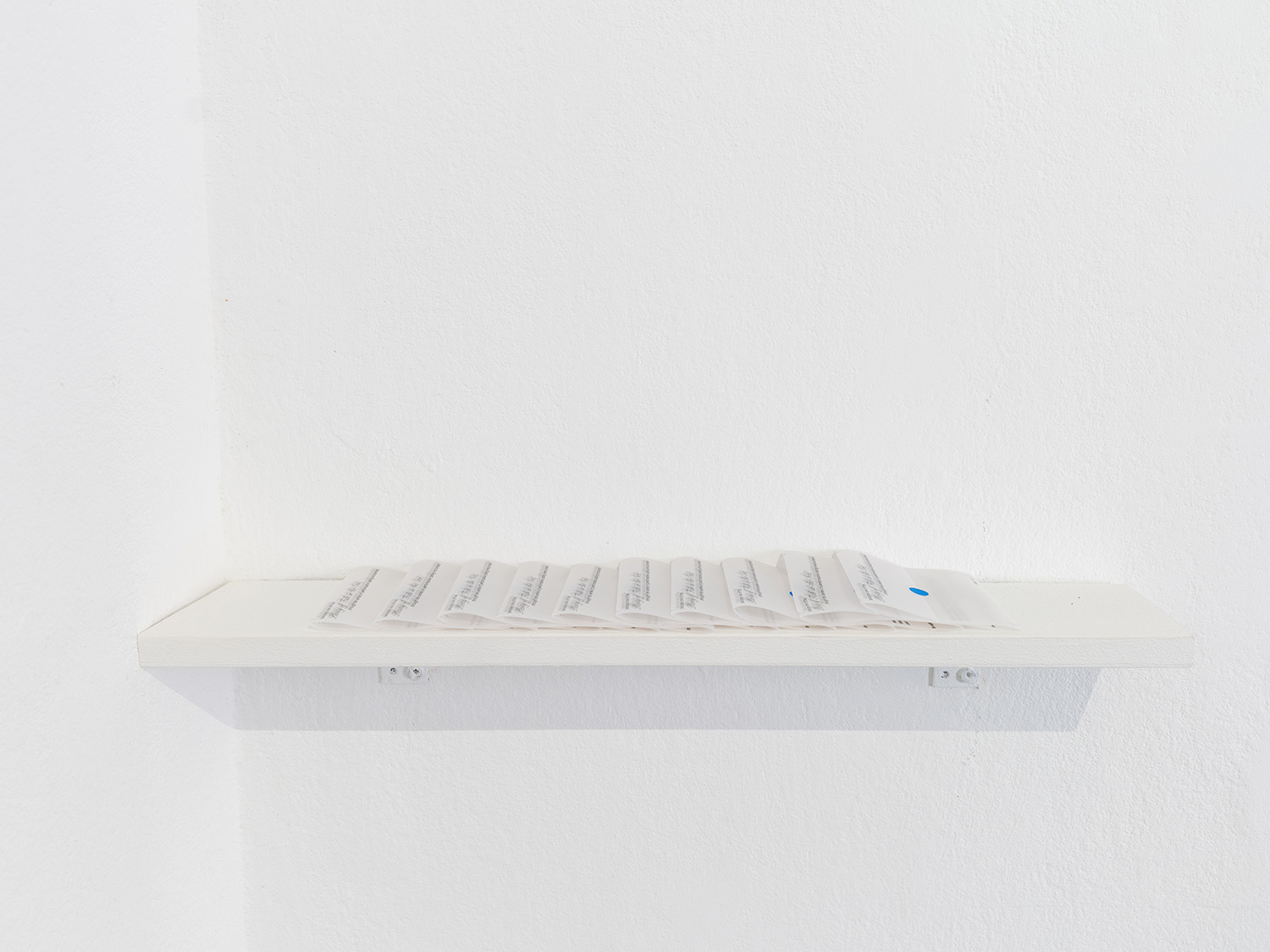
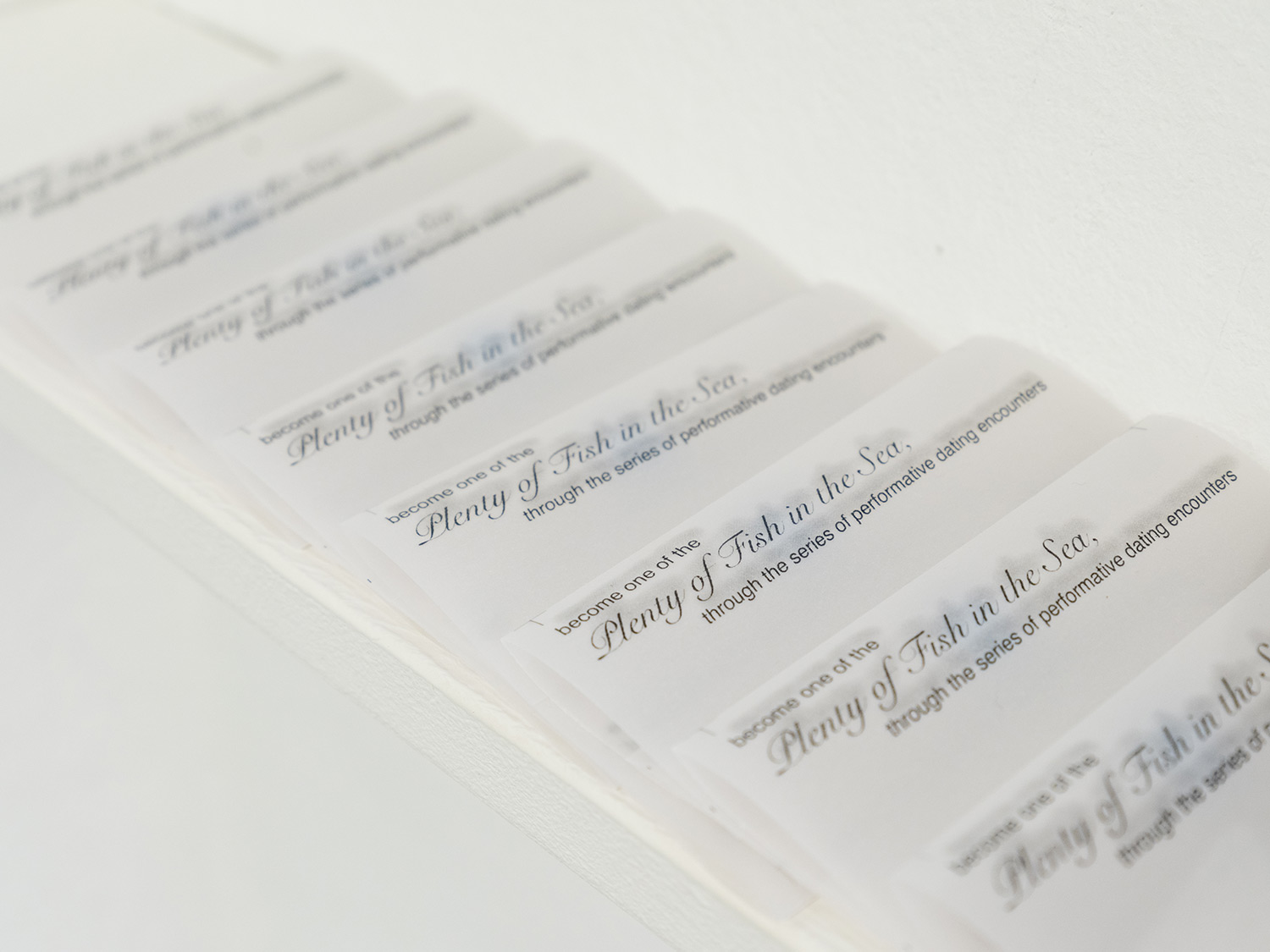
3, 5 and 7 June from 3 to 7 pm: Plenty of Fish in the Sea, participatory performance with ILY collective (mandatory registration at collective.ily@gmail.com).
10 June at 6 pm: Final viewing of the exhibition with the curators – in Slovenian, accompanied by an interpreter for Slovenian sign language.
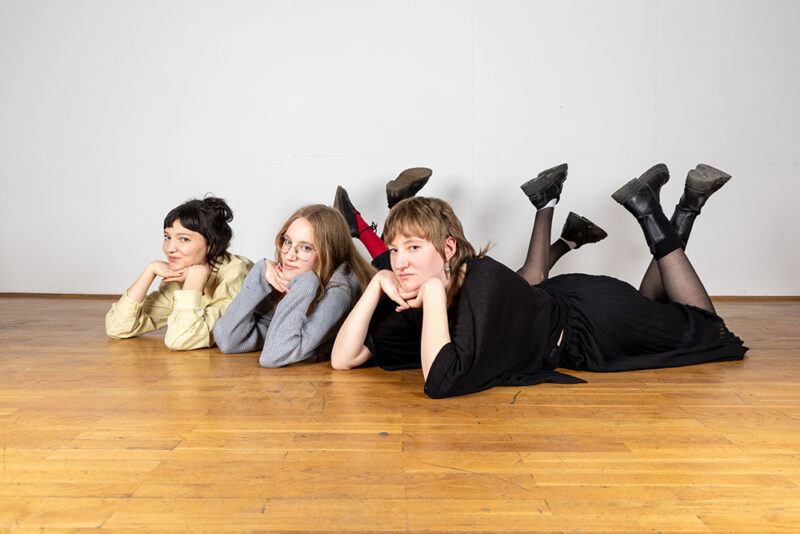
Ana Urbiha, Neža Urbiha and Pika Basaj work as the BRAVO collective. All are students on Master’s programmes at the Academy of Fine Arts and Design, University of Ljubljana: Neža and Pika in Painting, and Ana in Conservation and Restoration. In their projects to date, they have explored close friendships that often extend into an irrational dimension, where collectively created fiction helps shape real life. They have addressed these themes in several group exhibitions, including at the Old Post Building in Kranj (2020), TrainStation SubArt in Kranj (2021), Layer House in Kranj (2023), Mala galerija BS in Ljubljana (2024) and Alkatraz Gallery in Ljubljana. They also collaborated on the scenography for the dance performance Anthology of a Scream: Surprise Bag by Kolektiv Nest (2024). In 2025, they took part in the GuestRoomMaribor residency.
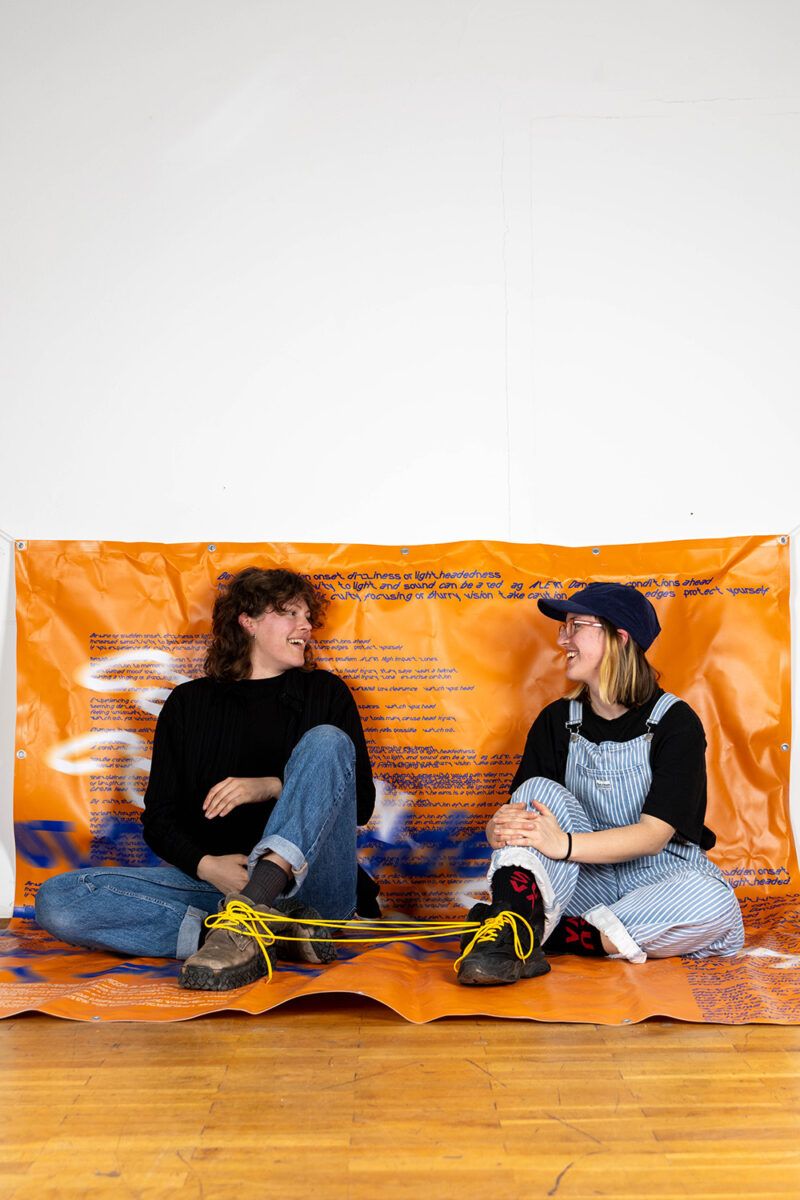
The DILEMA duo was initially formed in response to the search for additional help or a frequent, much-needed support pillar for eliminating the struggles of public presentations that would be difficult to manage alone. DILEMA is a collaboration between two (DI) artists: LEne Lekše and MAruša Uhan. For the duo, solutions for temporary spatial interventions are most often finds in exhibition spaces and their immediate surroundings. The partnership, first presented publicly in 2021, has so far helped them surmount terrain such as Marmot’s Prophecy at the Historical Atrium of Ljubljana Town Hall (2021), So ___ that even Birds Walk at the Night Window Display Gallery (2022), Chapter 1 at Y Gallery (2023), Chapter 2: Transition at Veselov vrt Gallery (2024) in Ljubljana, Curative Bonding at the Nova Gorica City Art Gallery (2025), and the project Fighting with Comfort (DILEMA ft Toilet.break), developed in collaboration with Chen Zhang and presented at the DobraVaga gallery (2025).
ig: @dilema________
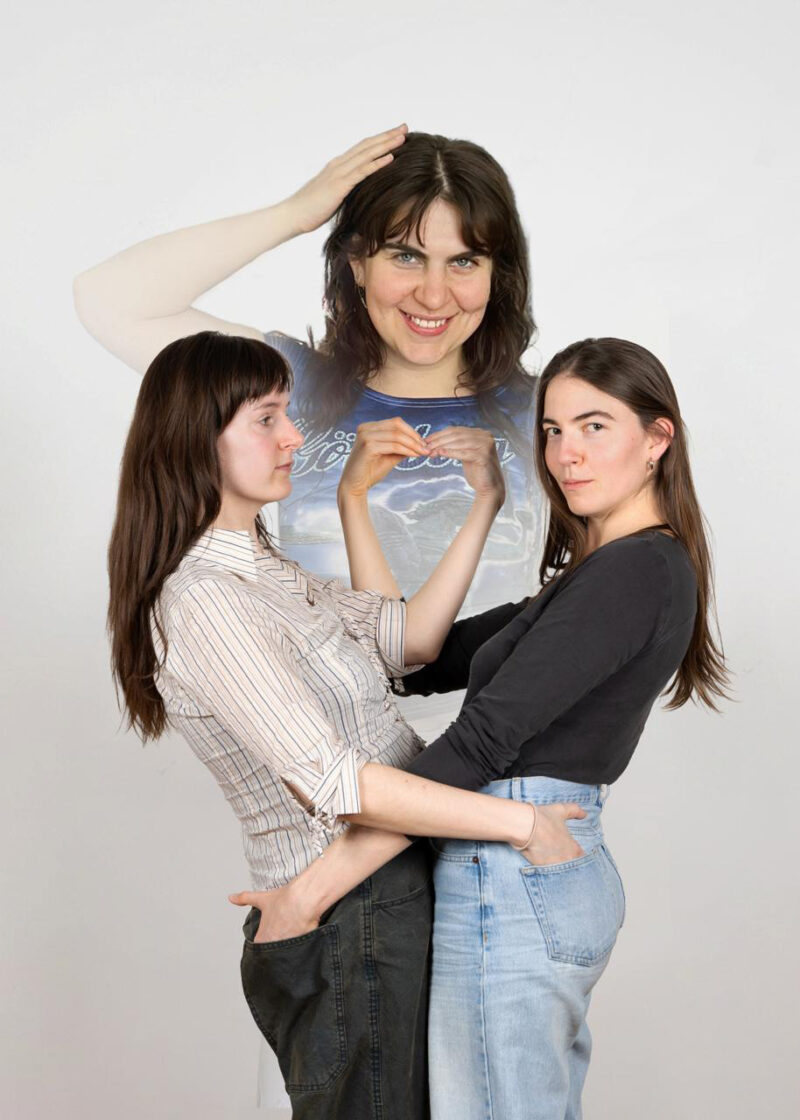
ILY is a collective comprising Iza Štrumbelj Oblak, Lea Topolovec and Yana Deliyska. As part of an ongoing artistic research project, they set up a fictional family structure in which each member takes on a specific familial role: Lea becomes the Mother, Yana the Father and Iza the daughter, Izi. The project is based on personal memories, expectations and wishes, opening up questions about needs and forms of support. In doing so, they use various mediums to document role-play and create participatory encounters. To date, they have presented their work in the exhibition Speculative Gatherings at Slakthuset in Gothenburg (2024) and at the 6th Triennial of Young Artists at the Gallery of Contemporary Art Celje (2025).
ig: @izastrumbelj
ig: @cd_yknyu
ig: @yanadeliyska
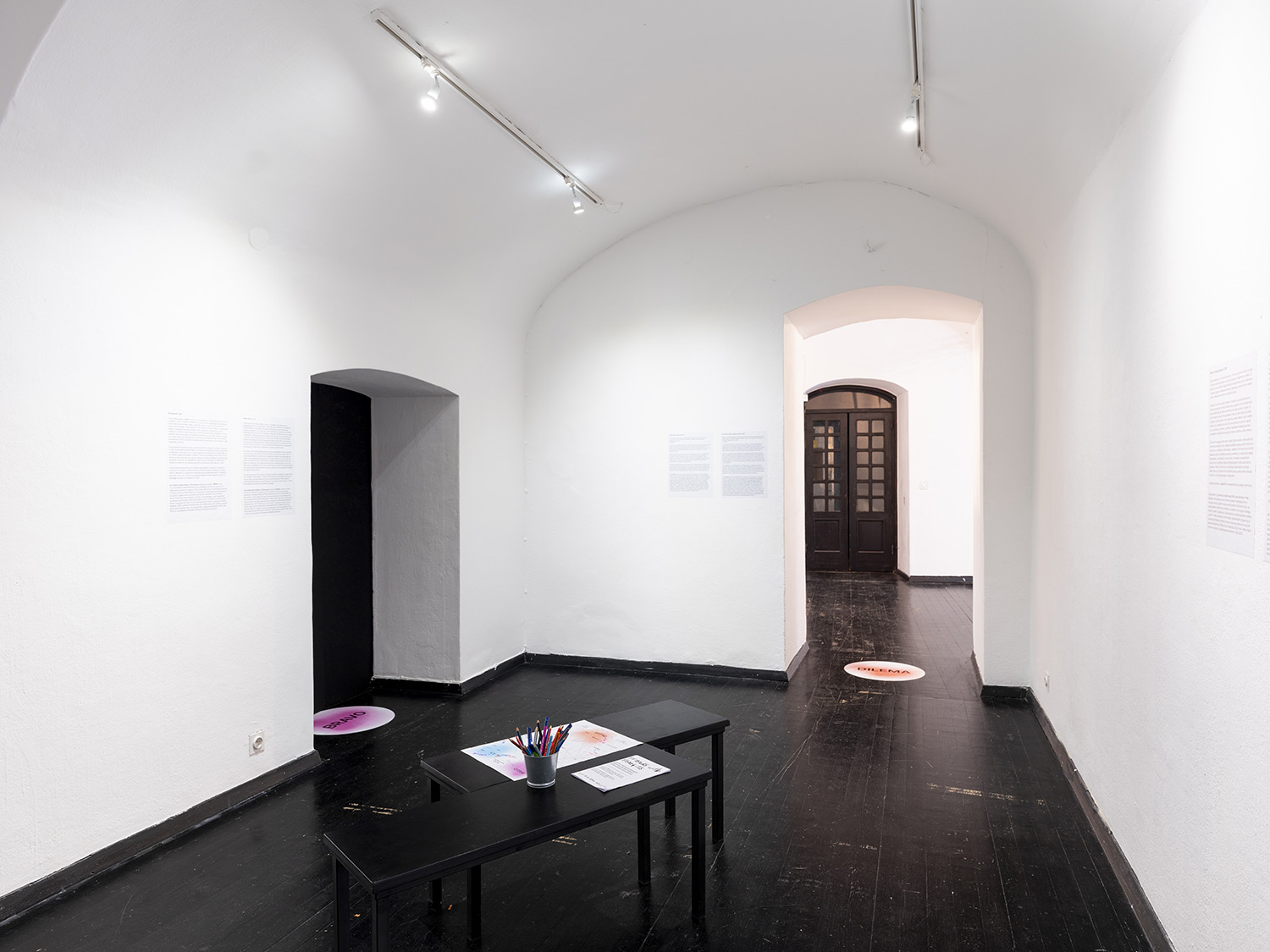
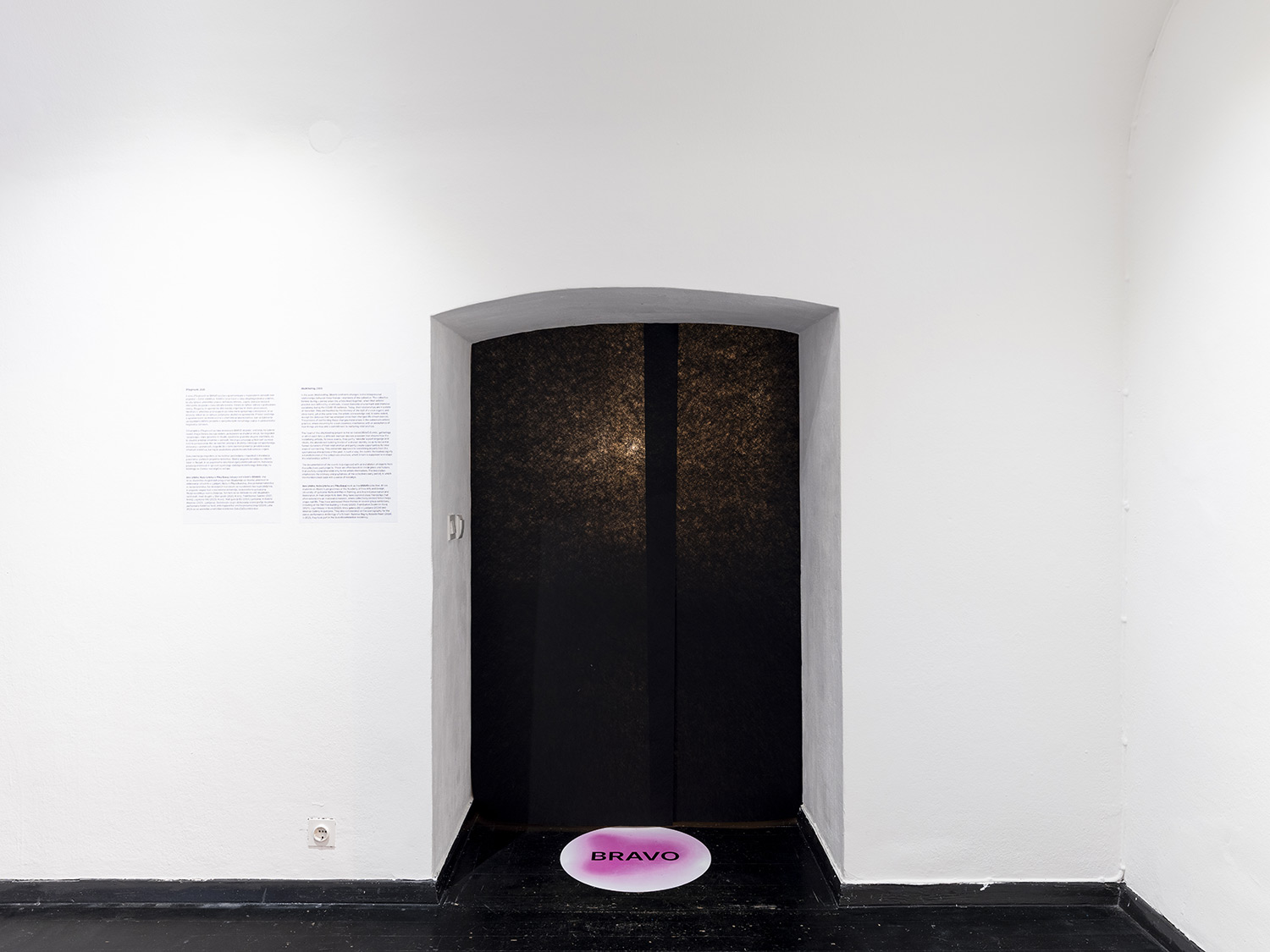
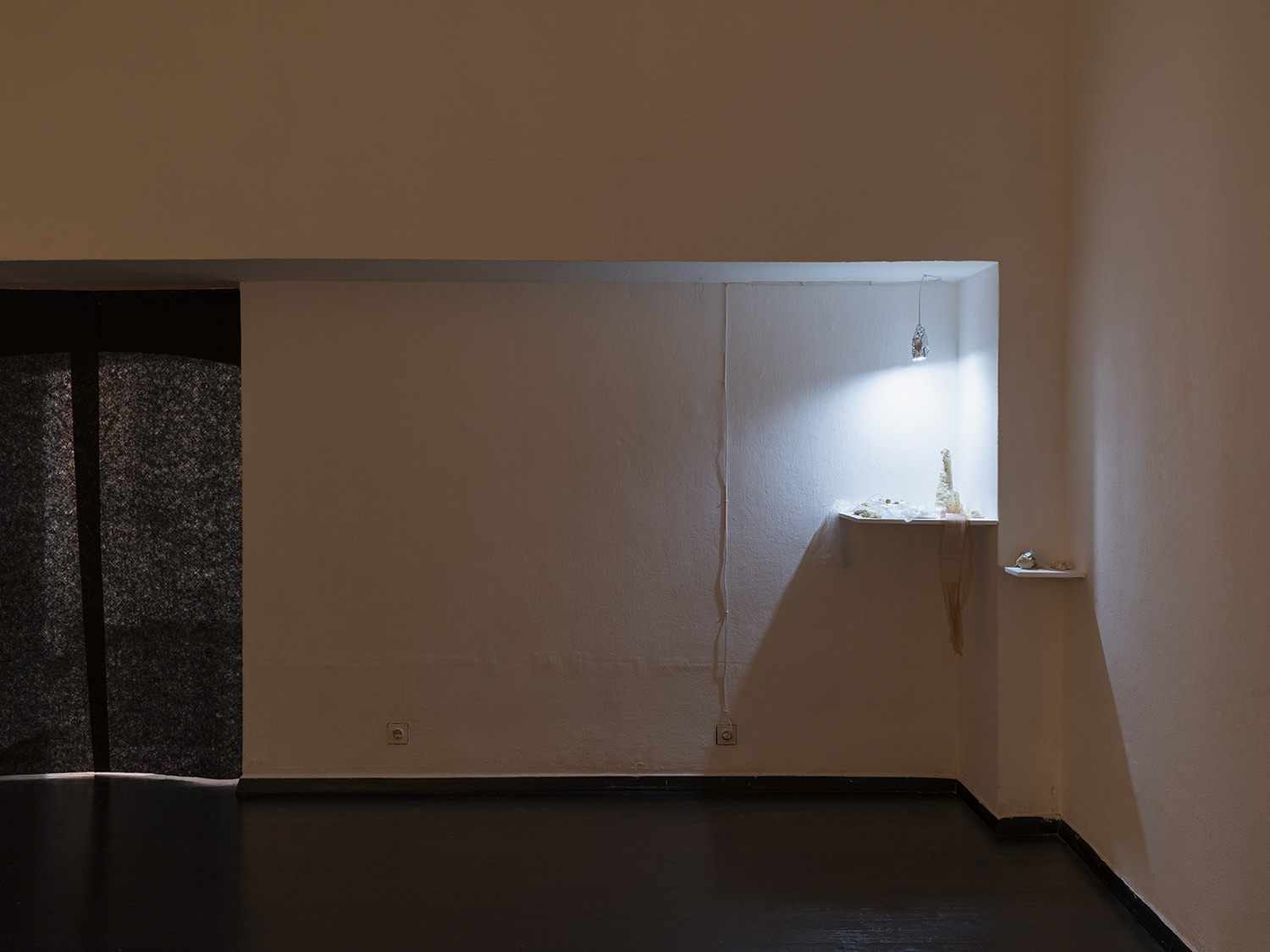
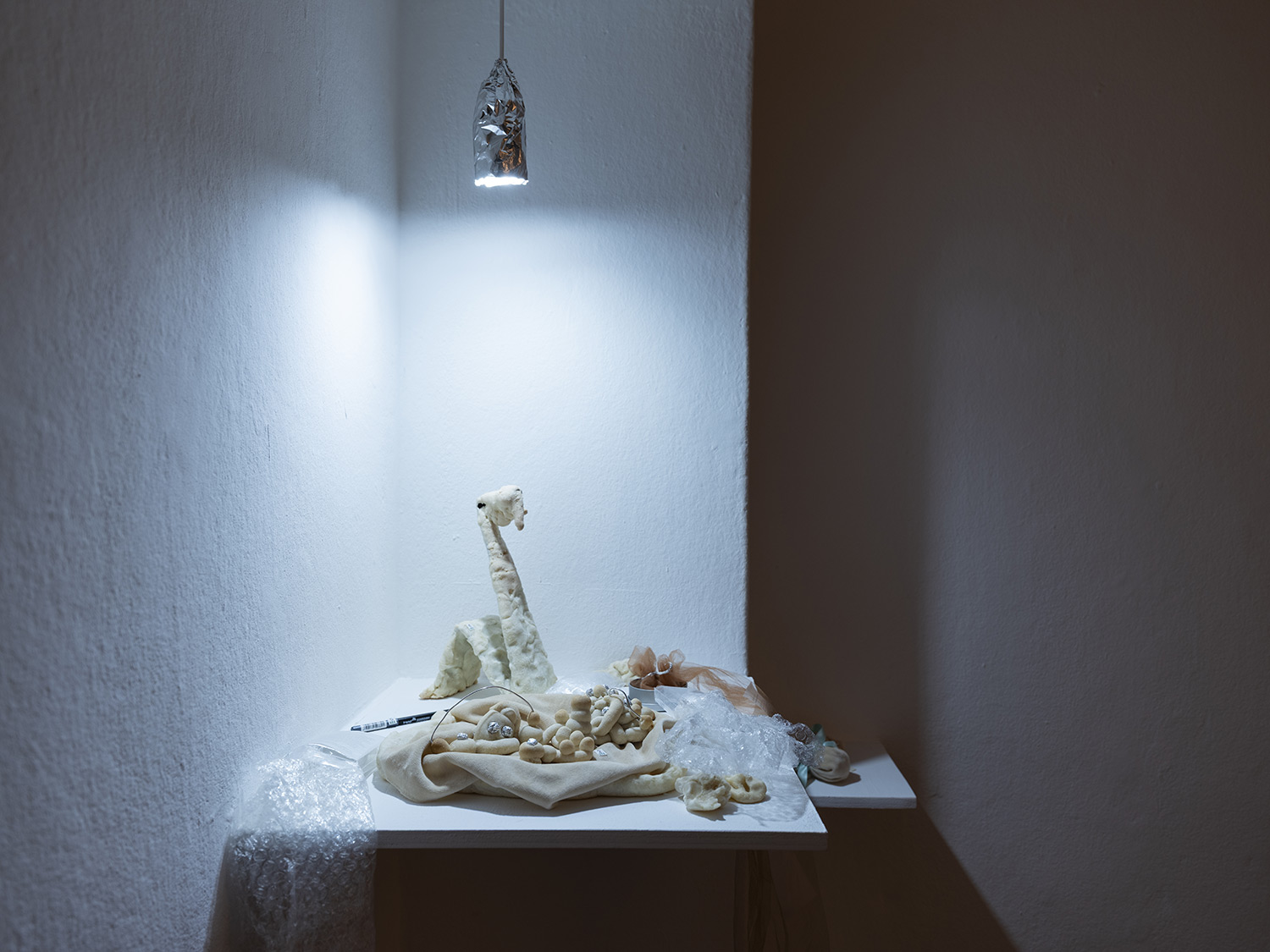
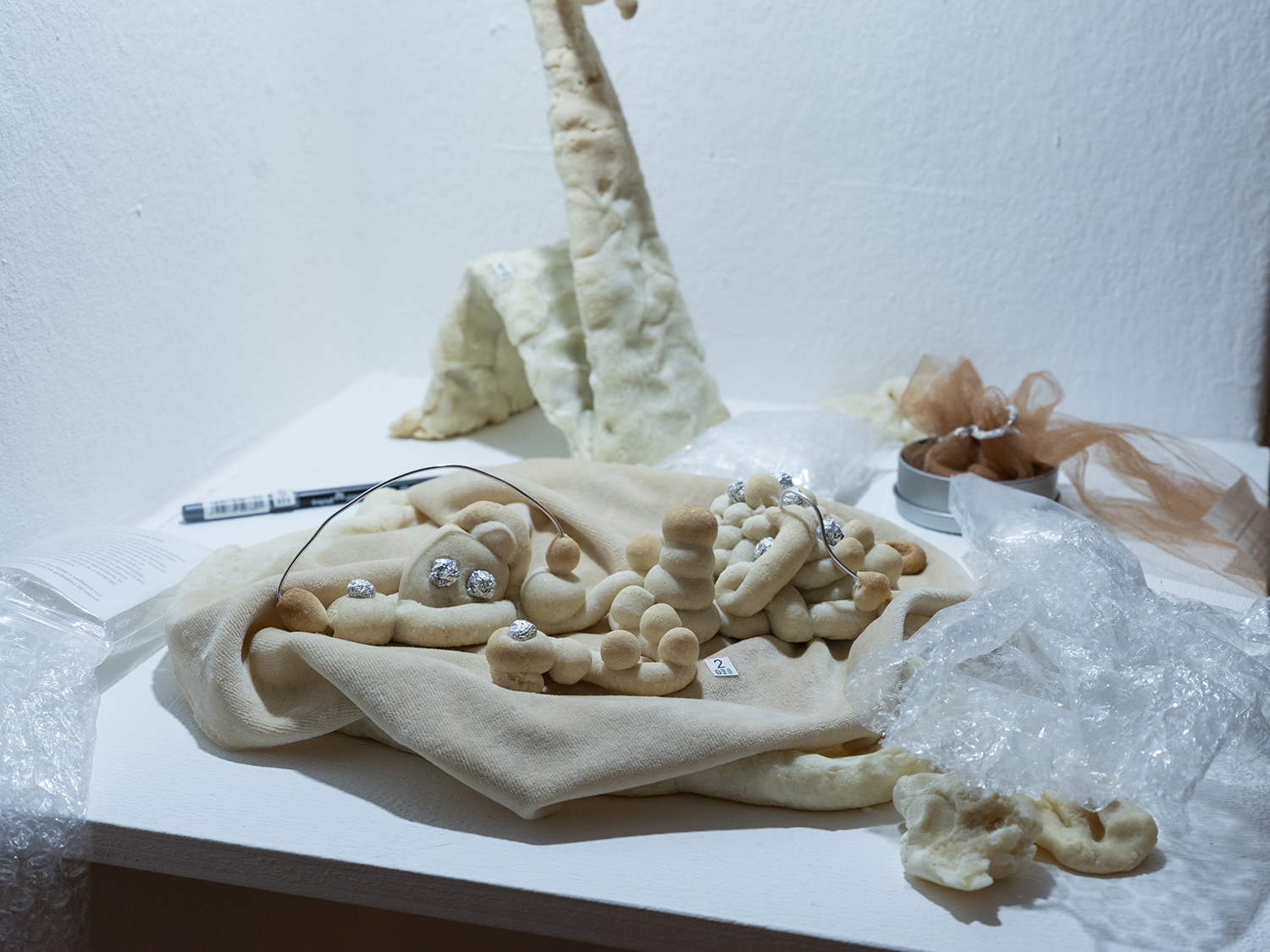
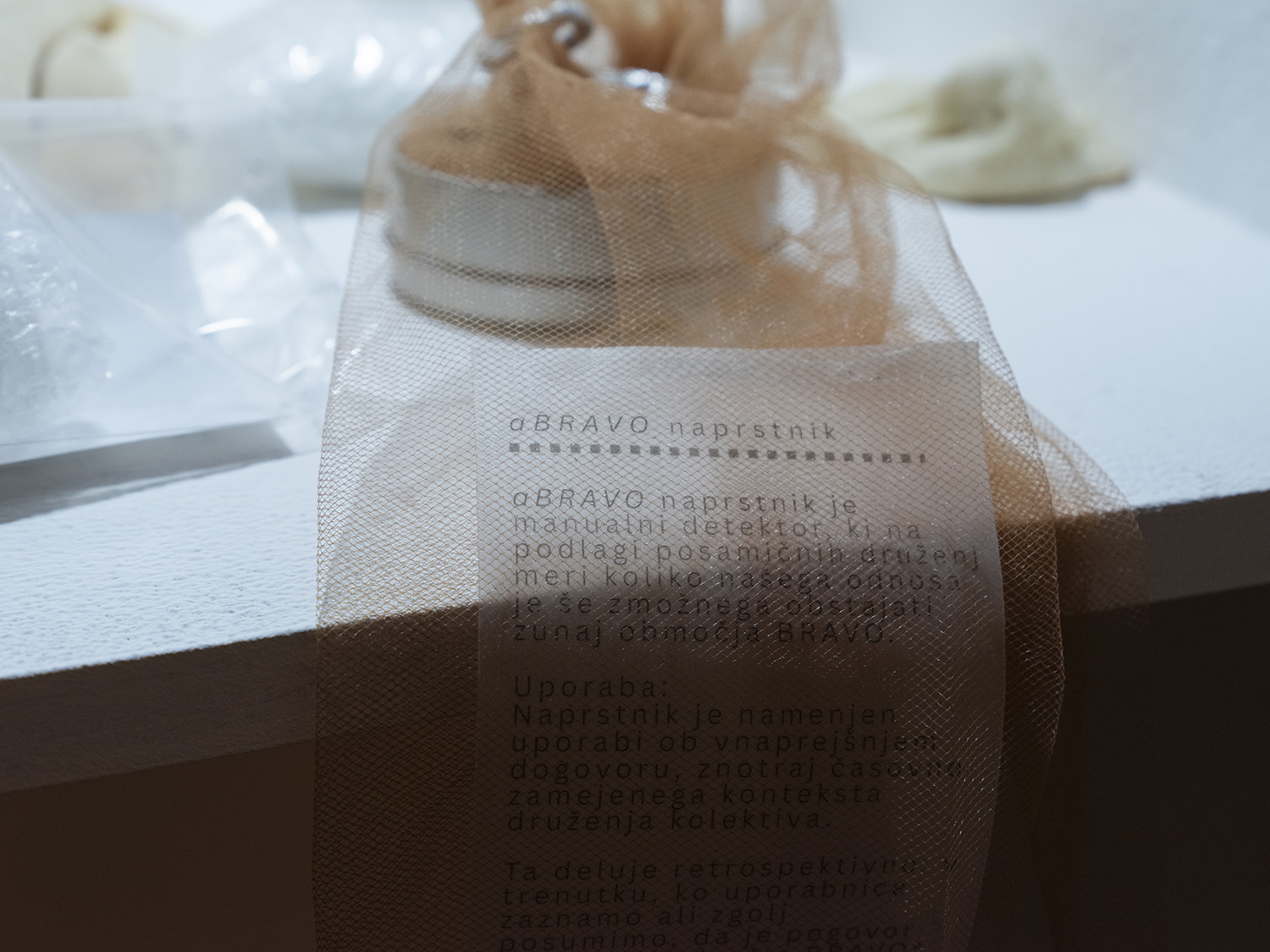
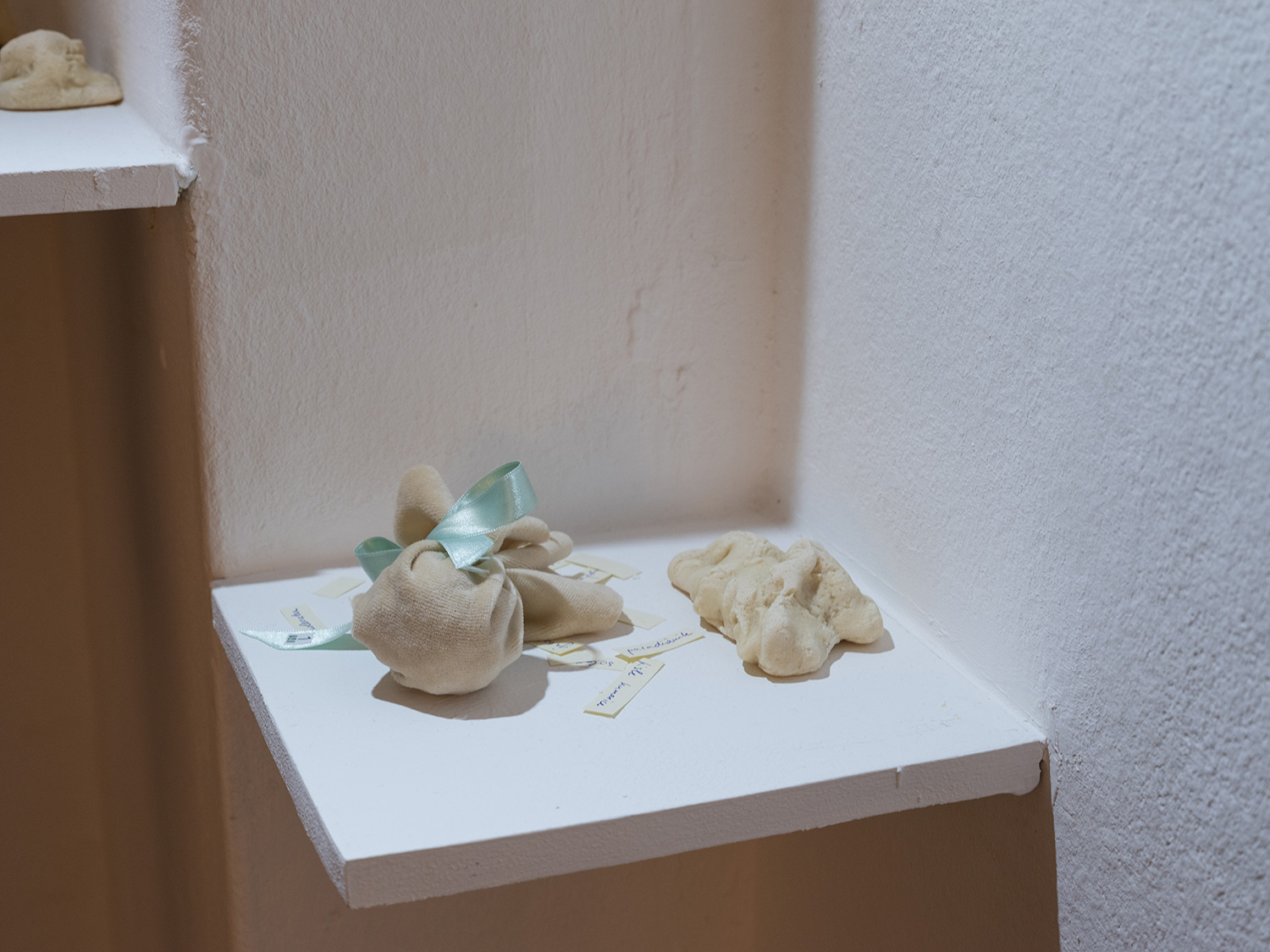
BRAVO, (Re)Kindling, 2026
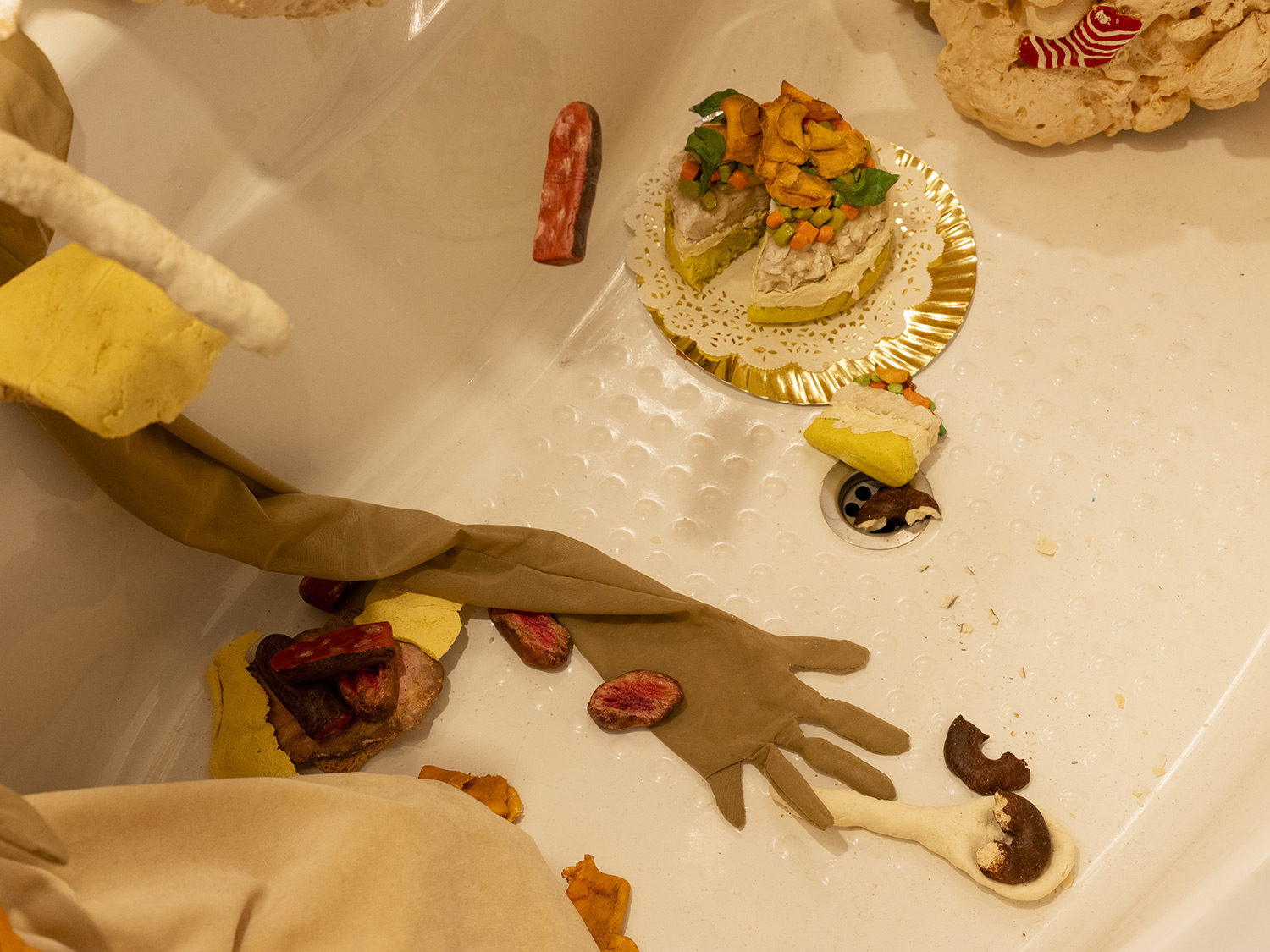
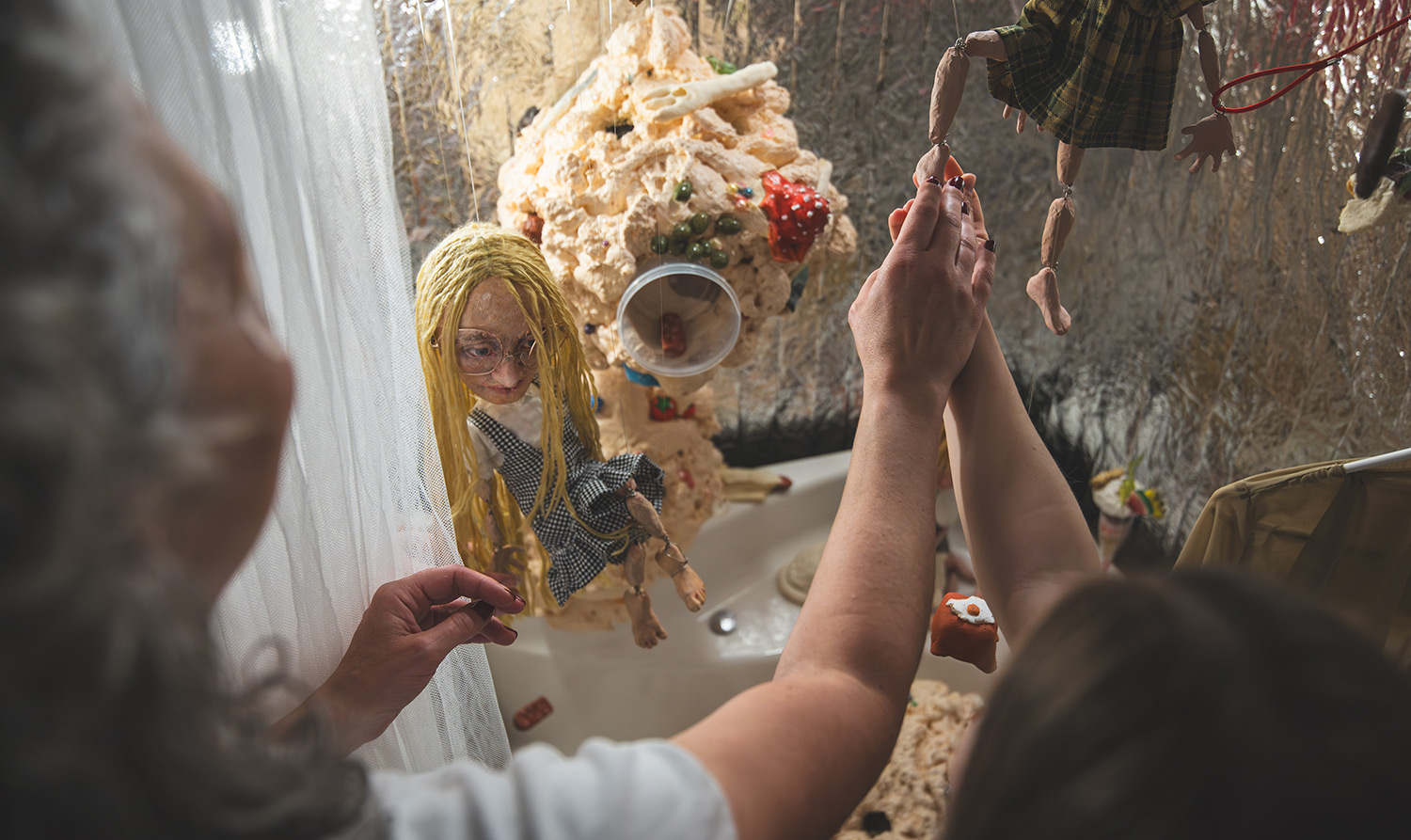
In the work (Re)Kindling, BRAVO confronts changes in the interpersonal relationships between three friends – members of the collective. The collective formed during a period when the artists lived together, when their artistic practice was defined by an intimate, closed domestic environment and intensive socialising during the COVID-19 outbreak. Today, their relationships are in a state of transition. They are haunted by the memory of the idyll of a once organic and close bond, yet at the same time, the artists acknowledge and, to some extent, accept the distance that has emerged since their changed life circumstances. The process of confronting these changes materialises in the collective’s artistic practice, where mourning for a lost closeness intertwines with an acceptance of how things are now and a commitment to nurturing relationships.
The heart of the (Re)Kindling project is the so-called BRAVO Events, gatherings at which each time a different member devises a system that shapes how the socialising unfolds. At these events, they partly ‘rekindle’ a past language and rituals, the abandoned building blocks of a shared identity, so as to revive the former dynamics of their relationships and partly create opportunities for new ways of connecting. This deliberate approach to socialising departs from the spontaneous interactions of the past. In such a way, the events themselves signify a transformation of the collective’s structure, which in turn is supposed to reshape the relationships within it.
The documentation of the events is juxtaposed with an installation of objects from the collective’s past projects. These are often based on inside jokes and fictions that are fully comprehensible only to the artists themselves. The installation emphasises the intimacy and playfulness of the collective’s early period, to which the members look back with a sense of nostalgia.
_______________
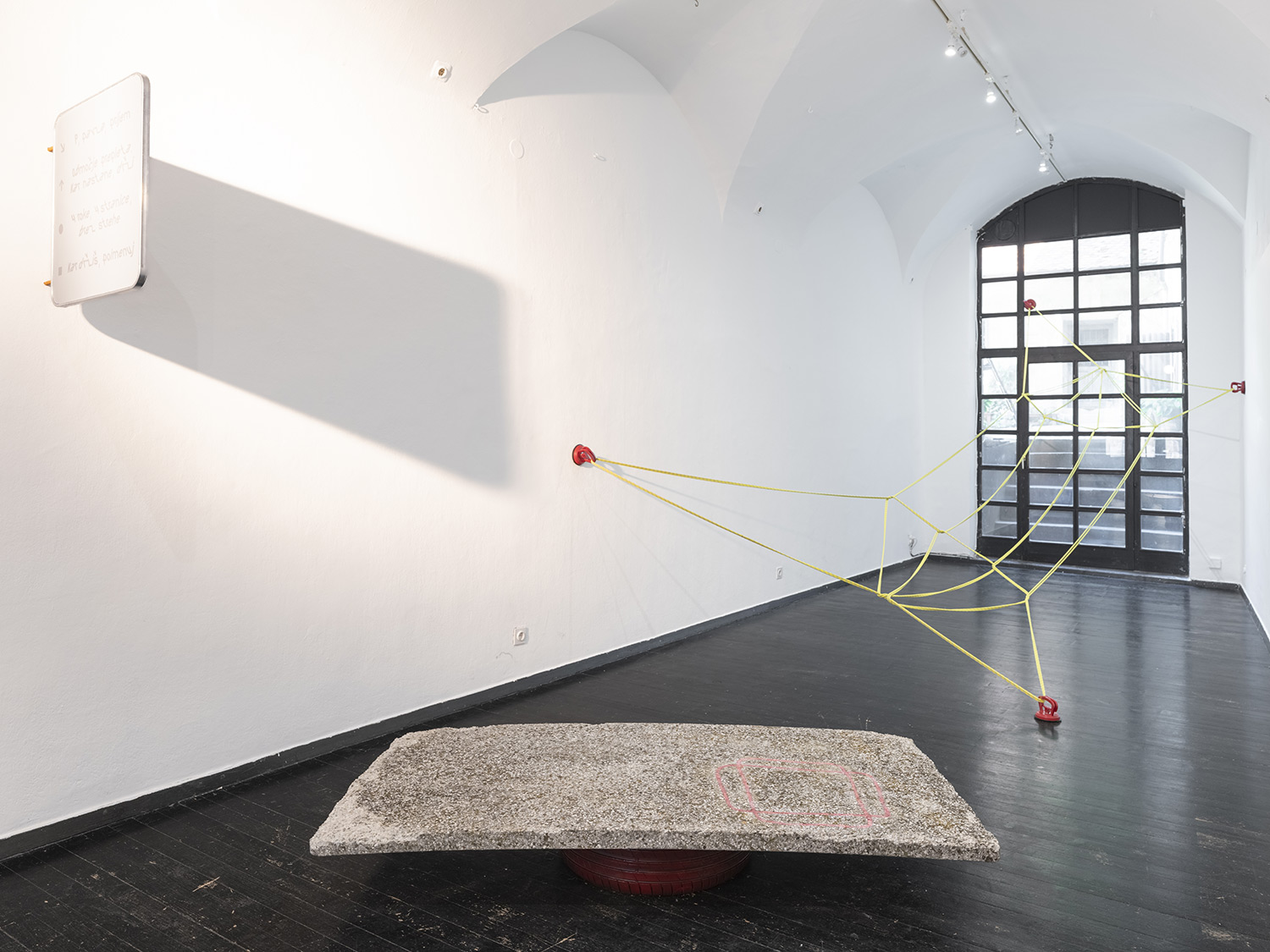
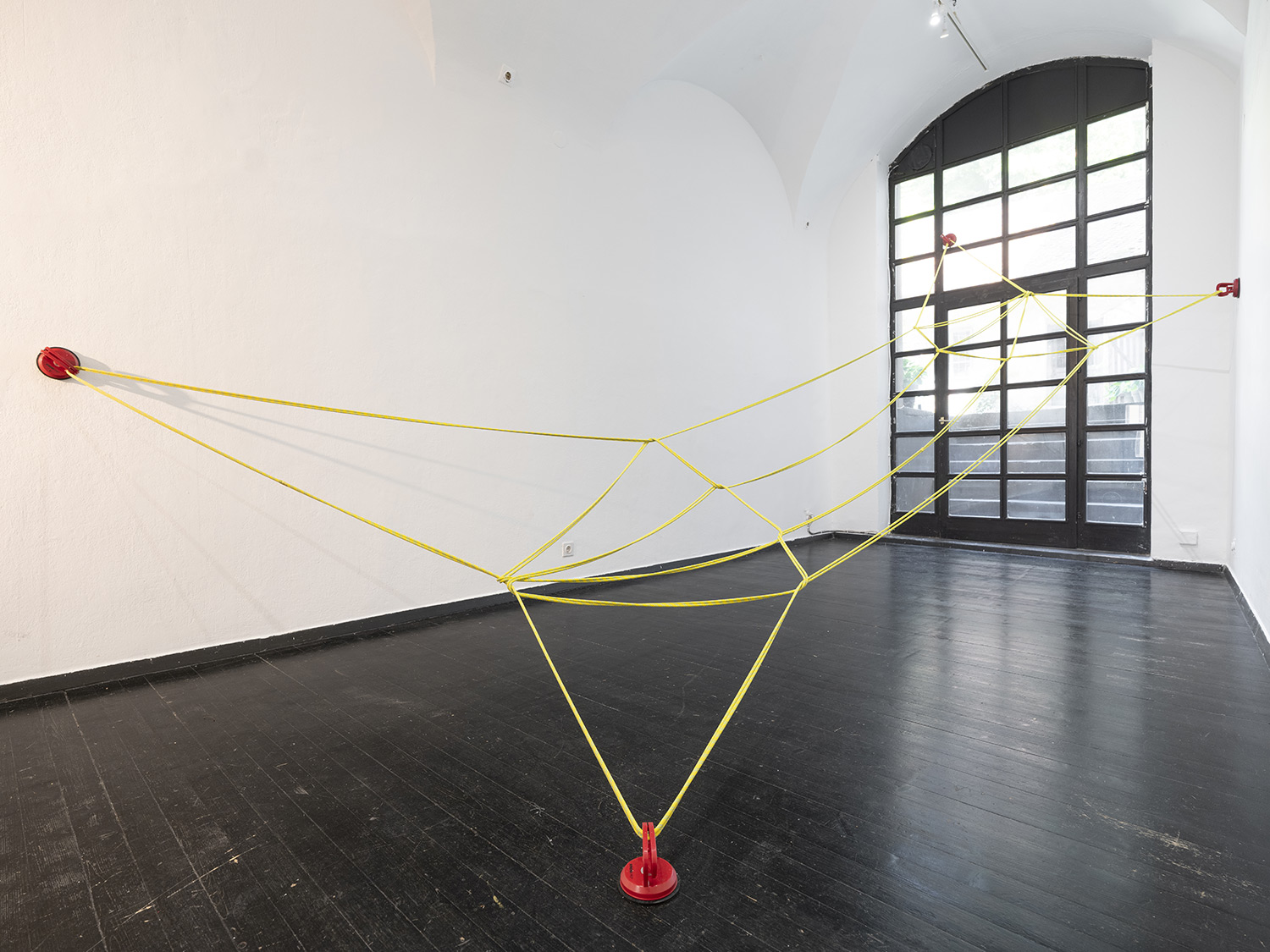
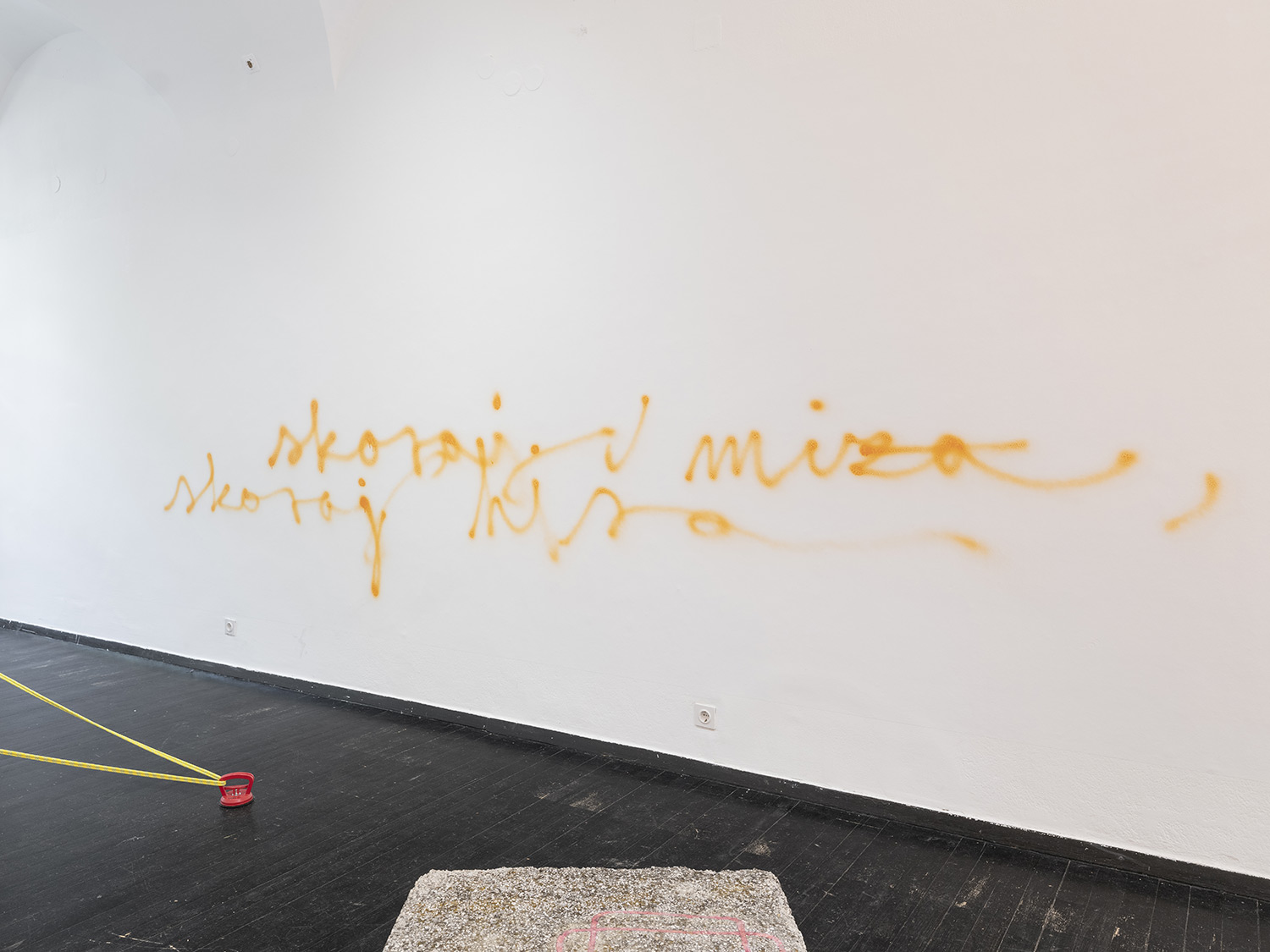
DILEMA, An Almost-Table, an Almost-House, 2026
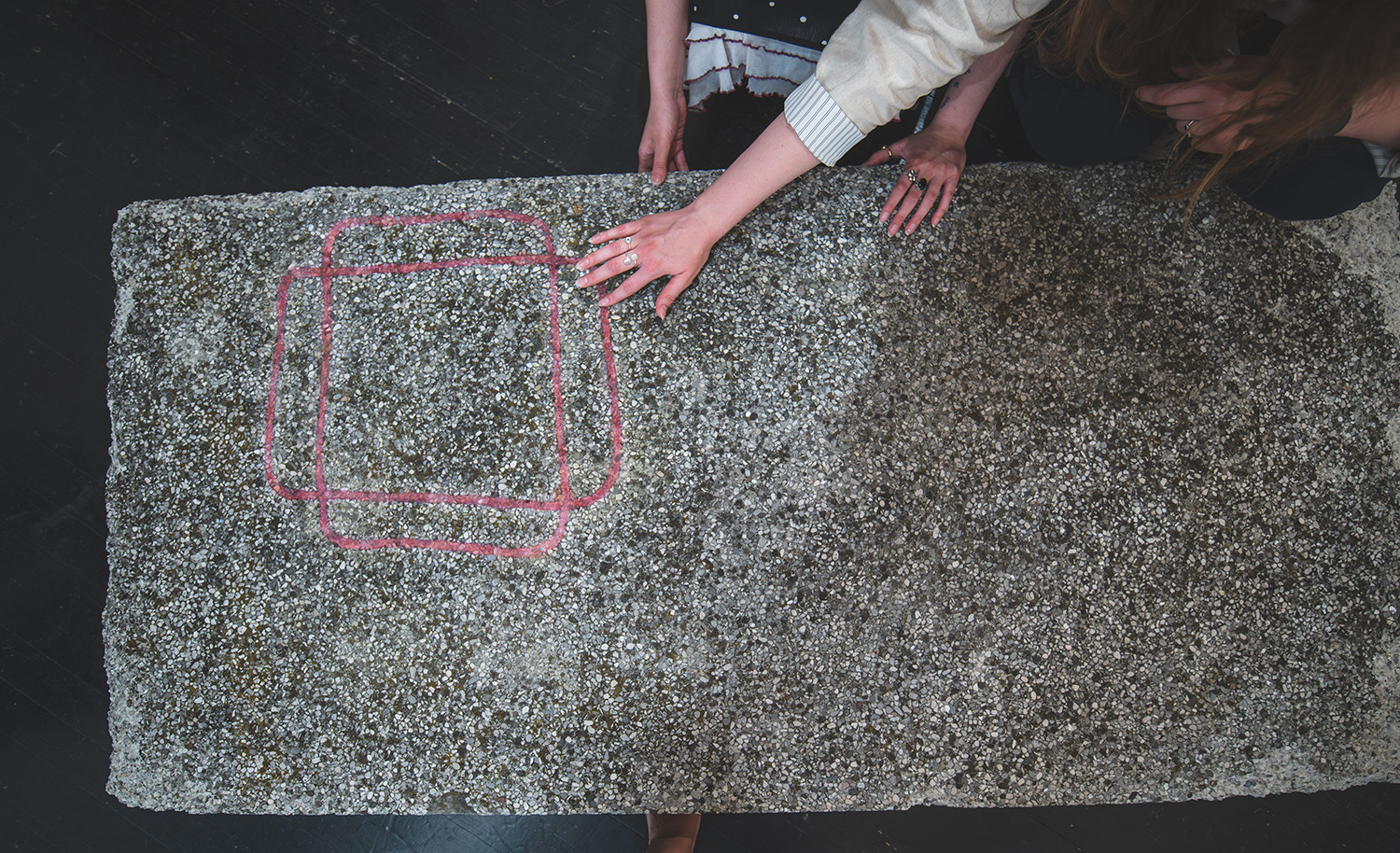
“With our elbows leaning on the edge of a curved concrete slab. Balancing on an almost-table. The stone surface is curved; others have leaned on it before us. We weave figures out of string.”
– DILEMA
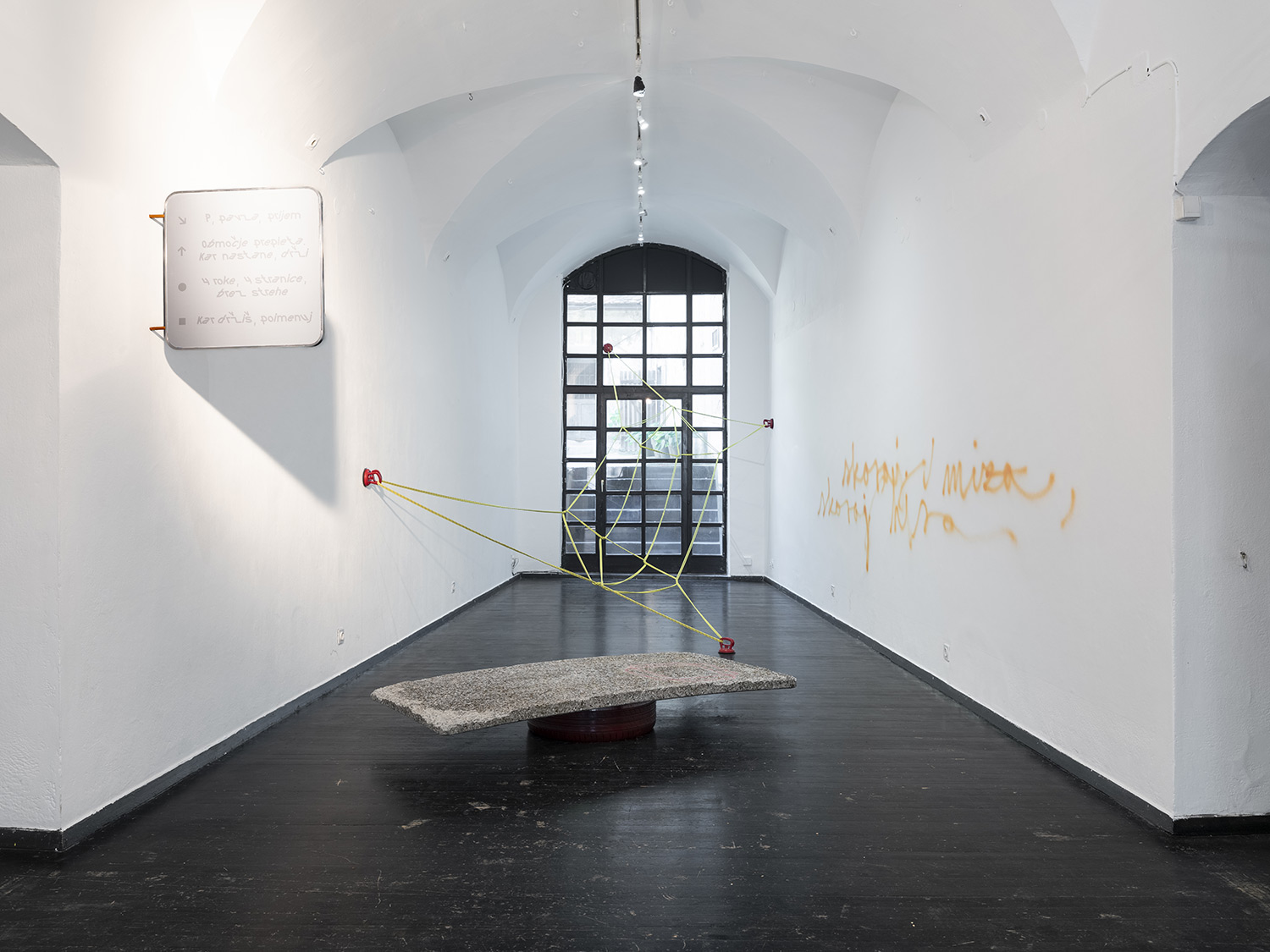
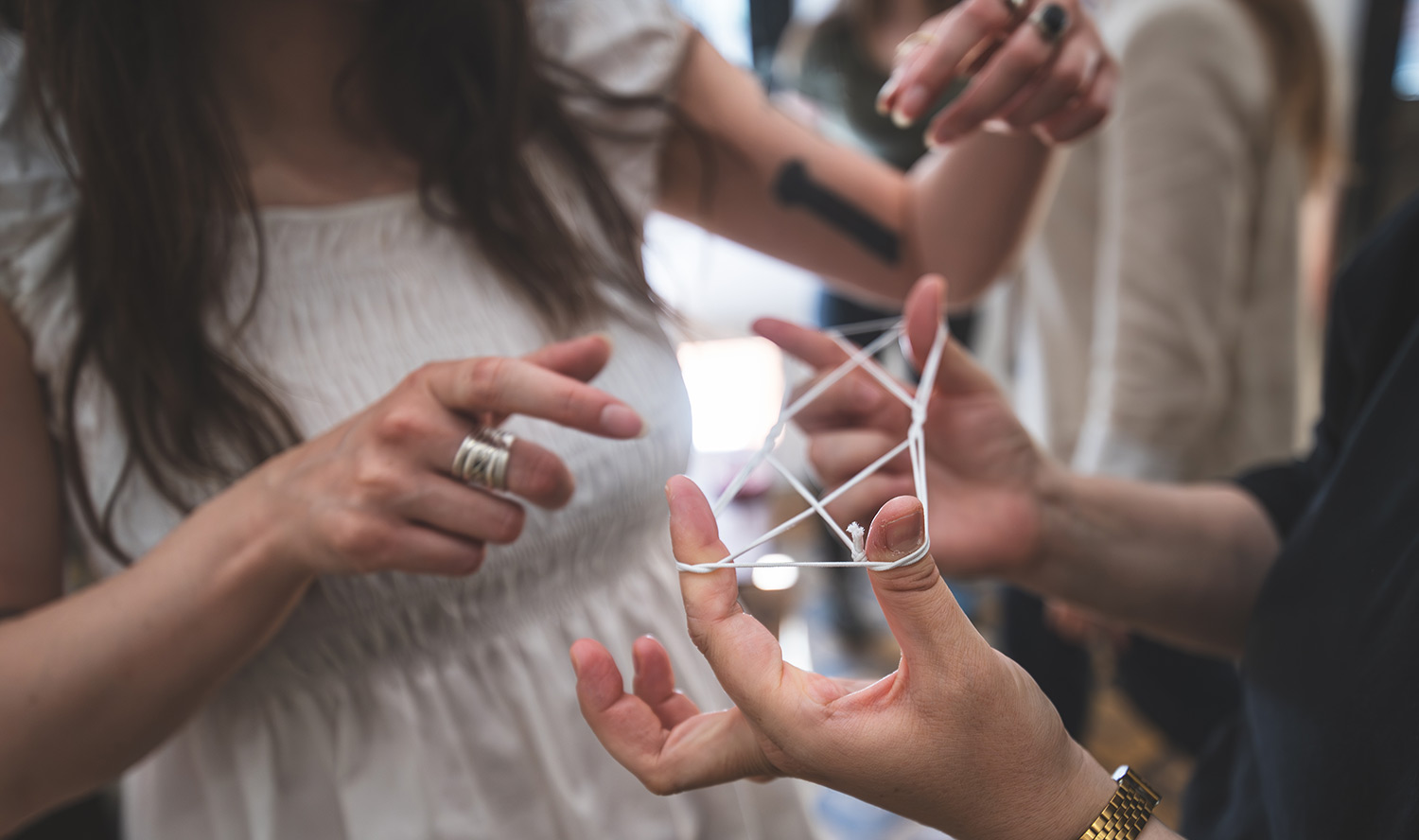
In the spatial installation An Almost-Table, an Almost-House, the DILEMA duo explores a visual language that weaves itself through time spent together, dialogue and the use of found objects. The installation adopts the logic of a string game to show the process of collaborative work. The game involves passing a loop of string between two pairs of hands to create a sequence of images.
The central element of the installation is an enlarged version of one of these figures. Instead of string, the artists use climbing rope, which is otherwise used for safety. The structure is stretched across the space and secured with four vacuum grips – four hands required to perform the game or collaborative work. The final image in the sequence of the string game is a house, which the artists deliberately leave out. The process remains unfinished and is presented as such in the exhibition.
The installation is supplemented by a traffic sign and a table from a Petrol rest stop, found by the artists on one of their trips together. The table in the exhibition represents a conceptual beginning. It bears a marking indicating the first move, the opening of the game. The traffic sign has been reworked into a legend. Here, the stopping point does not signify the end of a journey, but rather its deferral, merely one point in an ongoing and dynamic process.
_______________
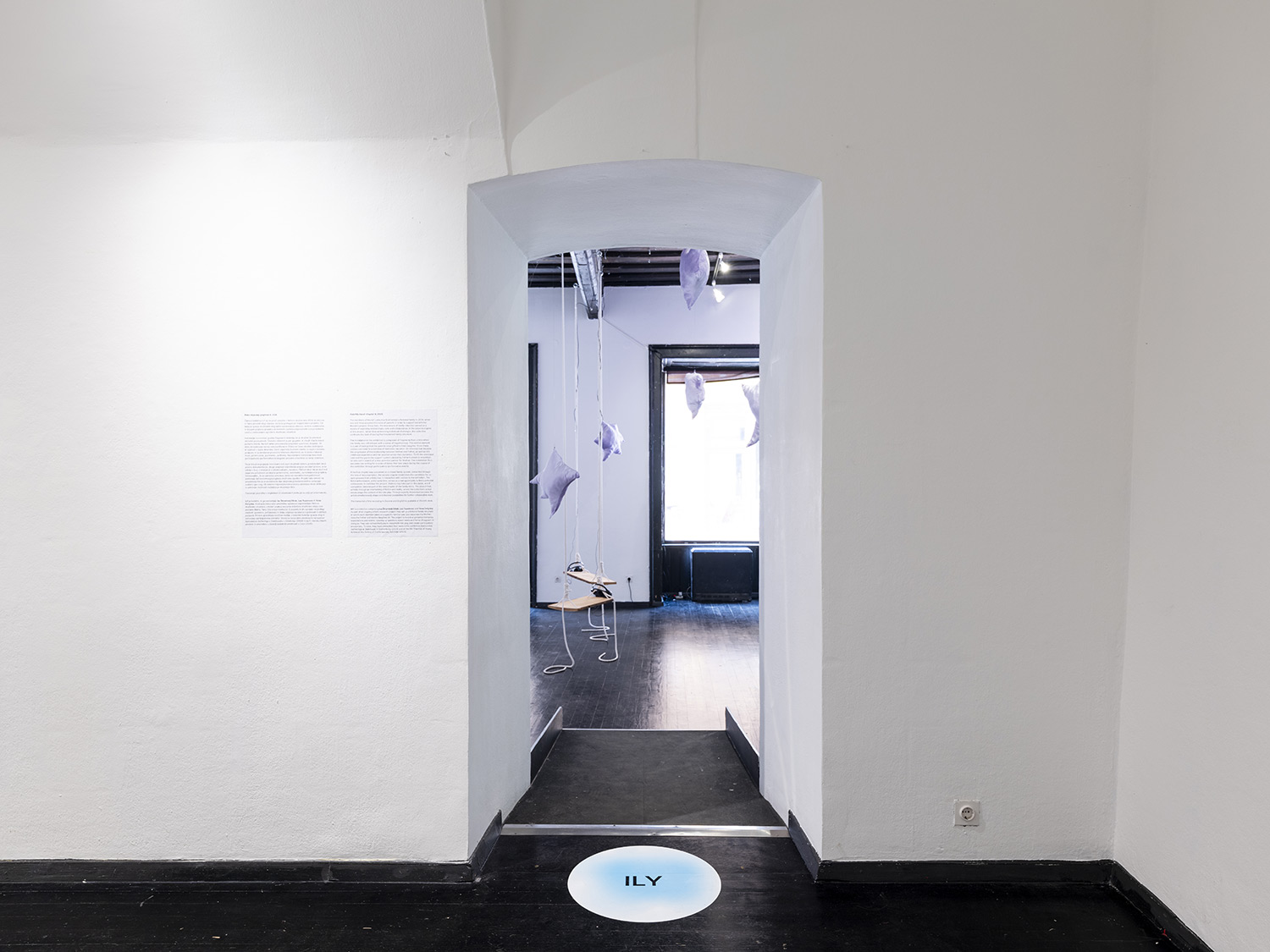
ILY, Hold My Hand: Chapter II, 2026
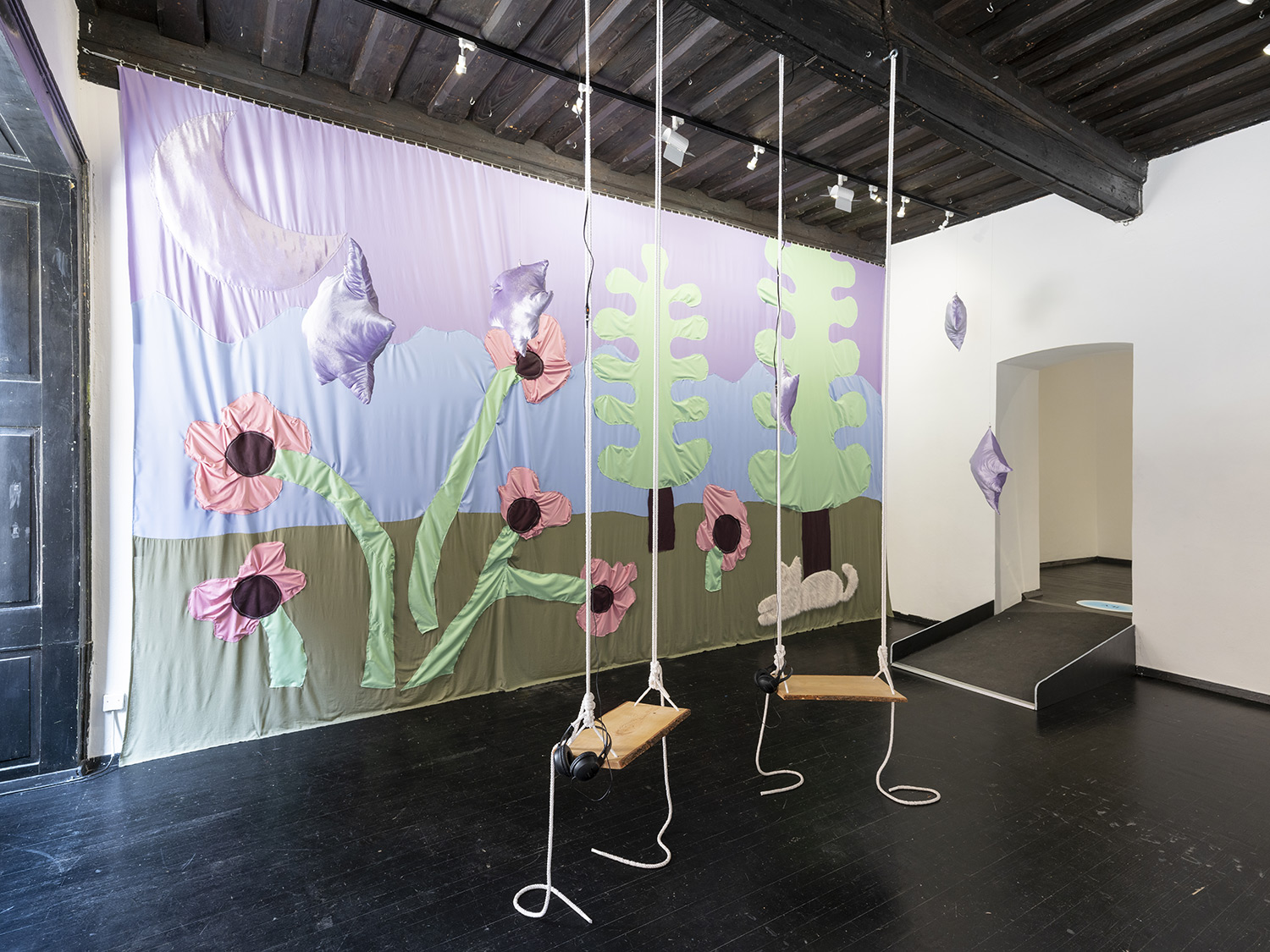
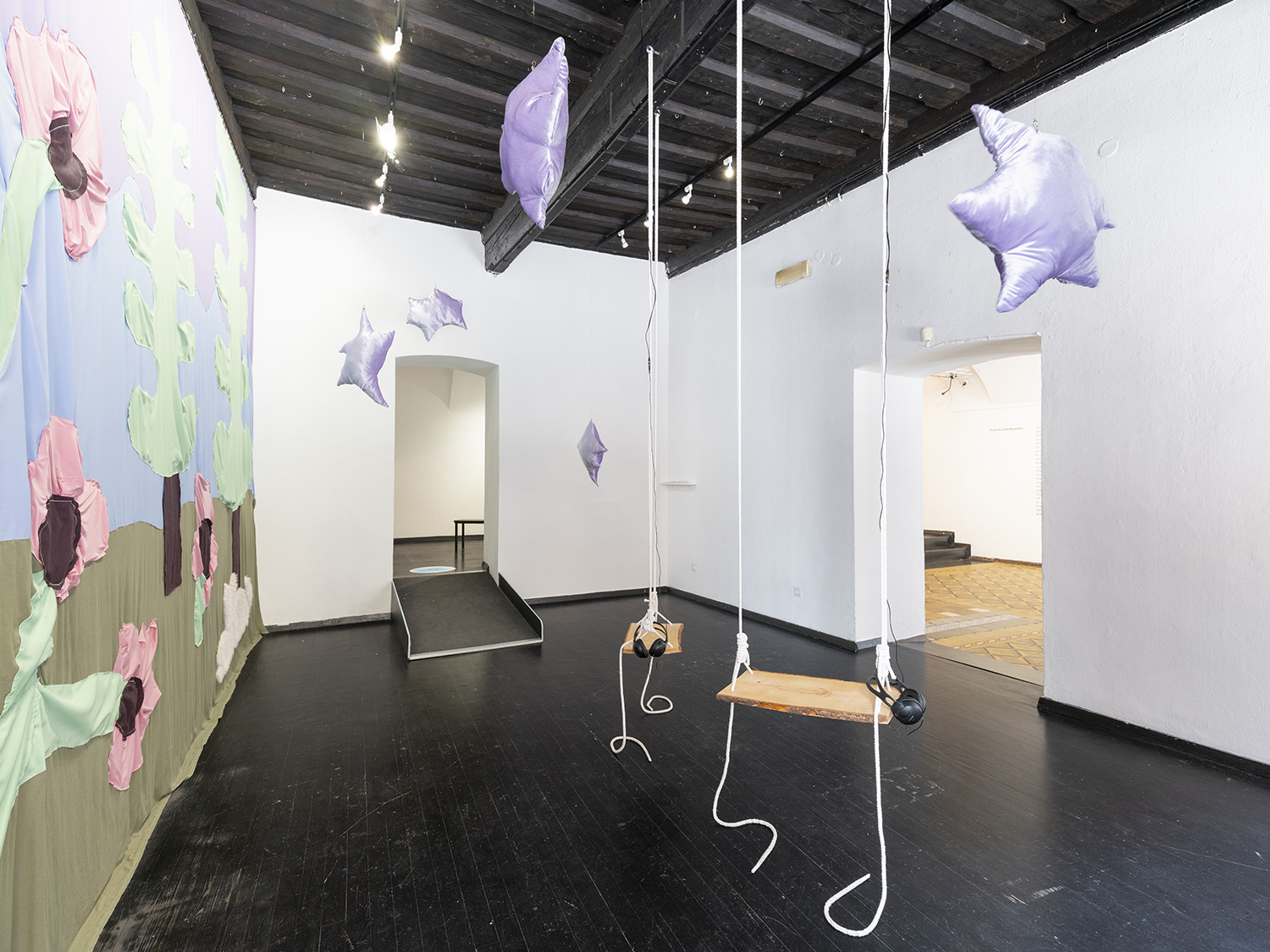
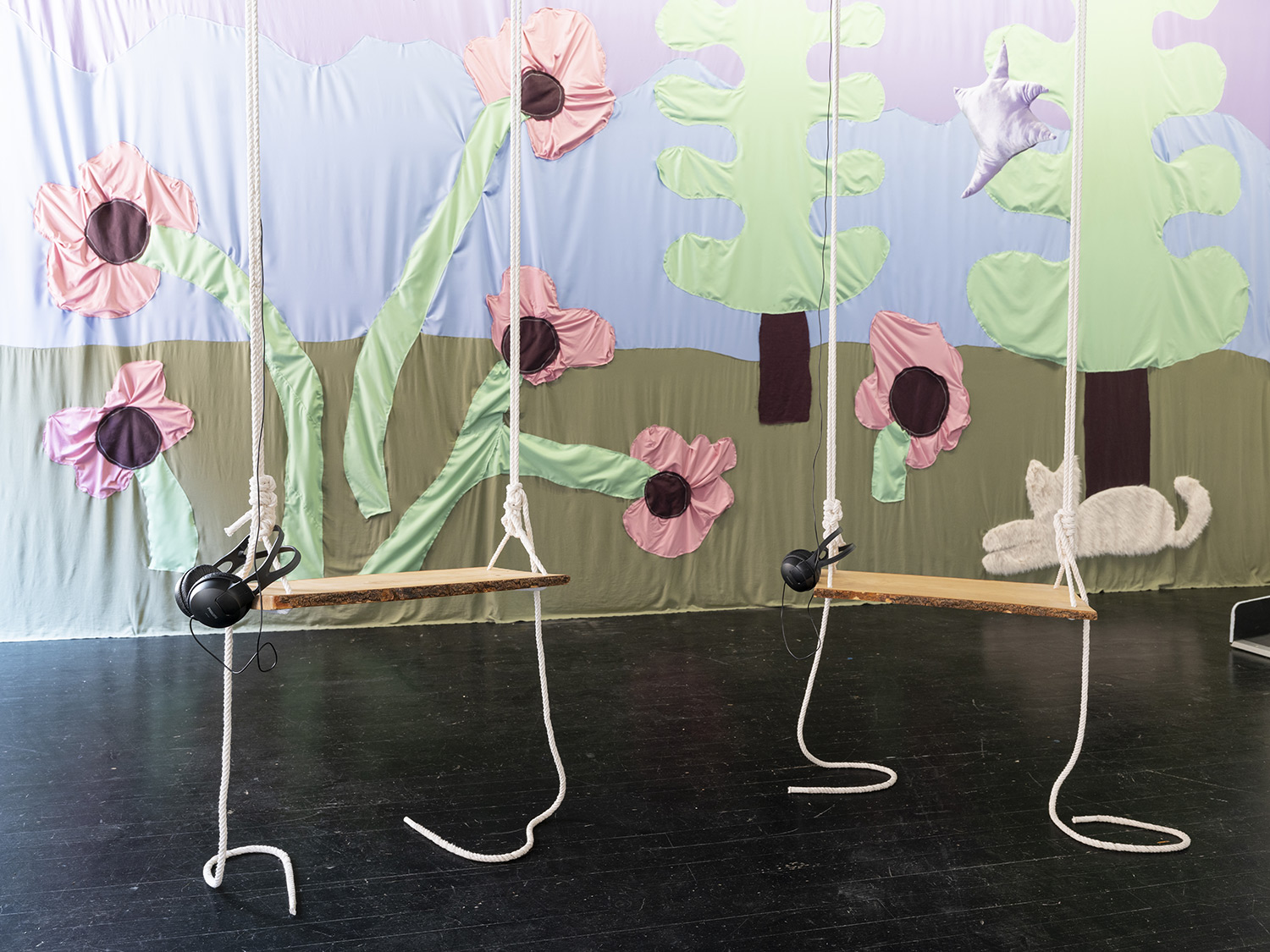
The members of the ILY collective first formed a fictional family in 2024, when Lea and Yana assumed the roles of parents in order to support Iza with her Master’s project. Since then, the enactment of family roles has served as a means of exploring relationships, care and collaboration. In the second chapter of the project, rather than addressing individual challenges, the collective confronts the task of saving the threatened family structure.
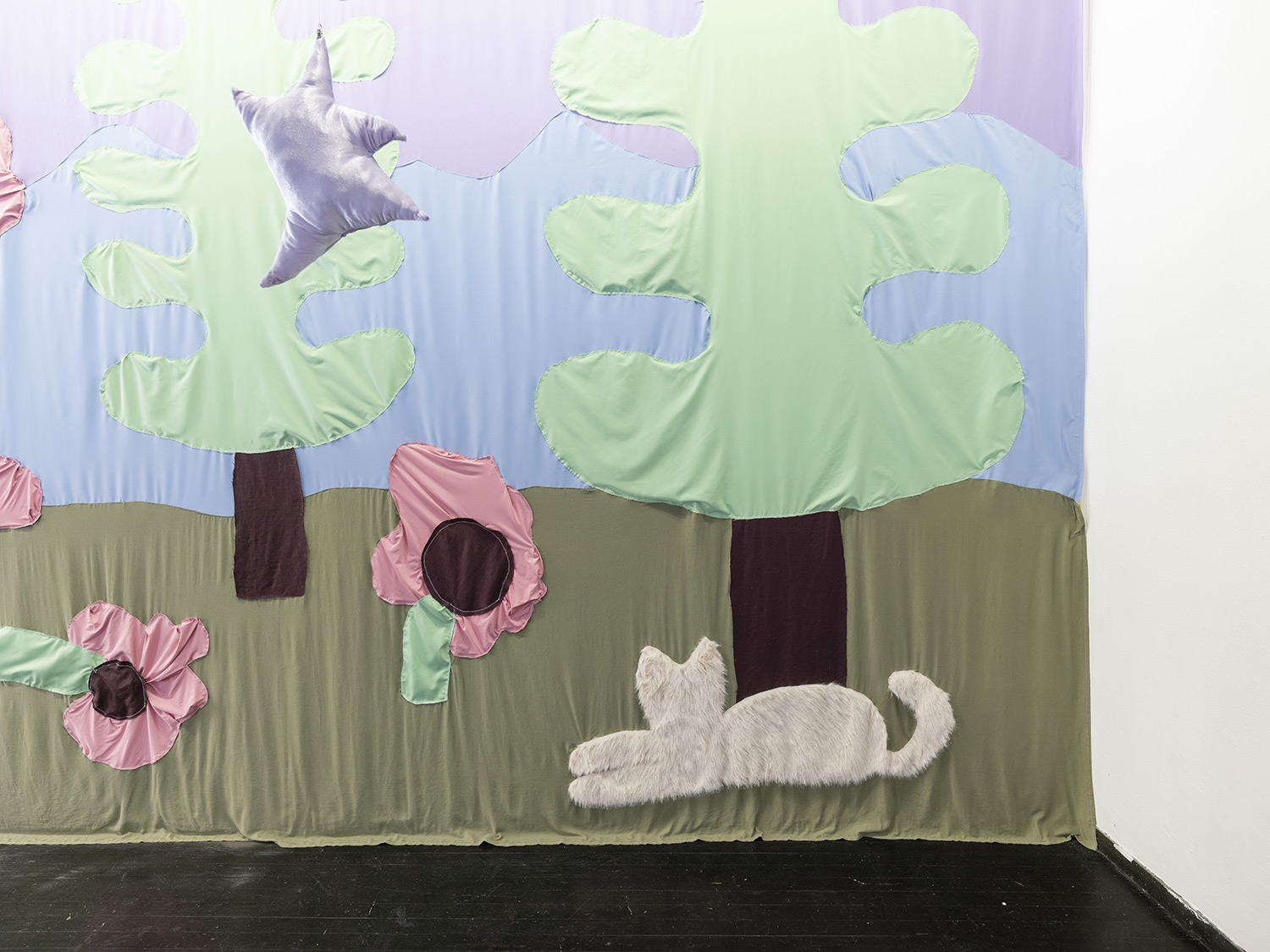
The installation in the exhibition is composed of fragments from a time when the family was still imbued with a sense of togetherness. The central element is a pair of swings that the parents once gifted to their daughter. From these, visitors can listen to a narrative of memories that disclose the progression of the relationship between Mother and Father, as well as Izi’s childhood experience and her position within their dynamics. To fill the emotional void and the gap in the support system caused by Father’s absence nowadays, Izi sets out in search of a new potential partner for Mother. The installation thus becomes the setting for a series of dates that take place during the course of the exhibition through participatory-performative events.
If the first chapter was conceived as a closed family system, presented through the lens of documentation, the second chapter establishes the conditions for an open process that unfolds live, in interaction with visitors to the exhibition. The fictional framework, at the same time, serves as a real opportunity to find a potential collaborator to continue the project. Visitors may take part in the dates, and if compatible, become part of the next chapter of the family story. The project thus unfolds through an intertwining of fiction and reality, where the collective’s actual needs shape the content of the role-play. Through a partly improvised process, the artists simultaneously shape and discover possibilities for further collaborative work.
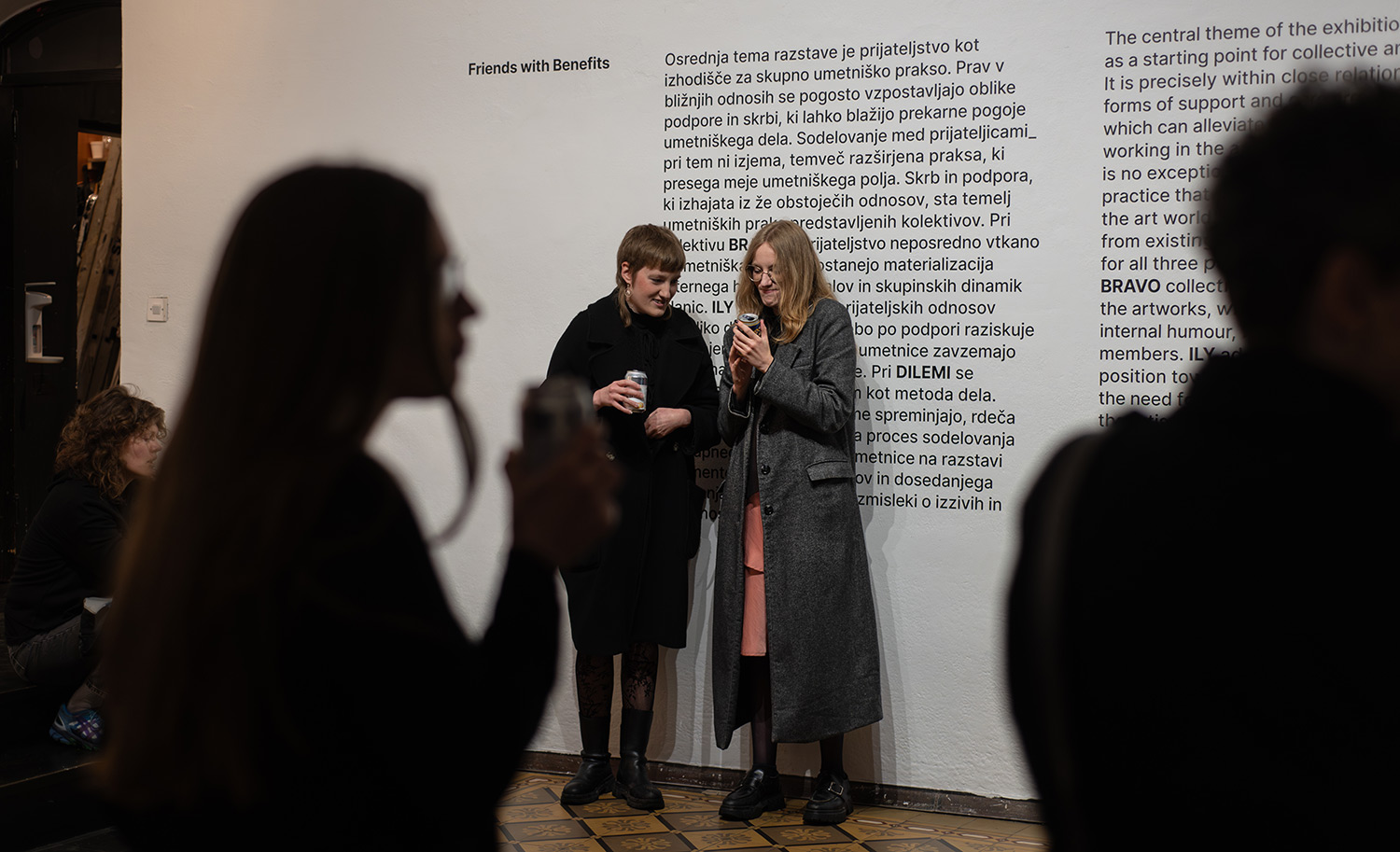
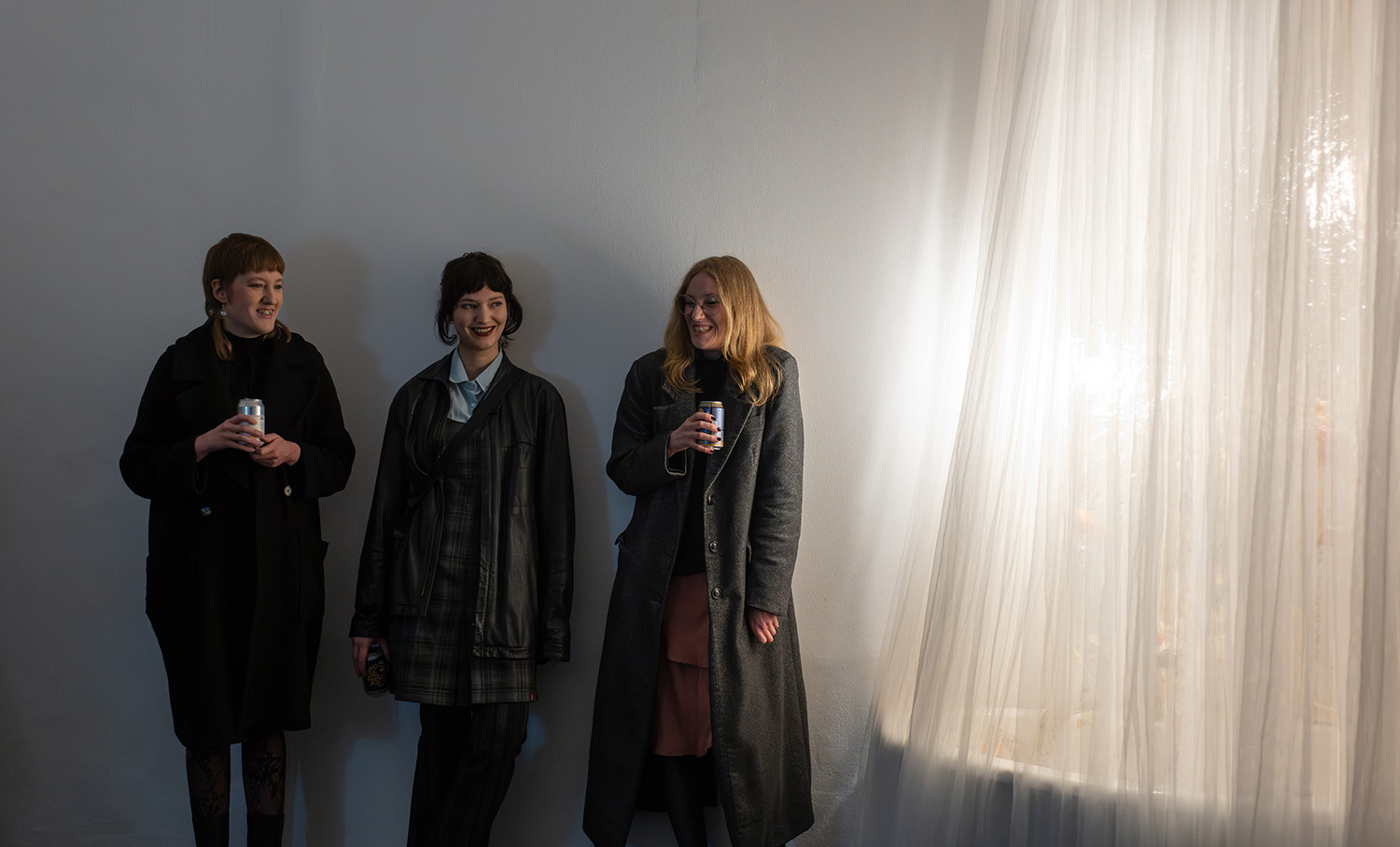
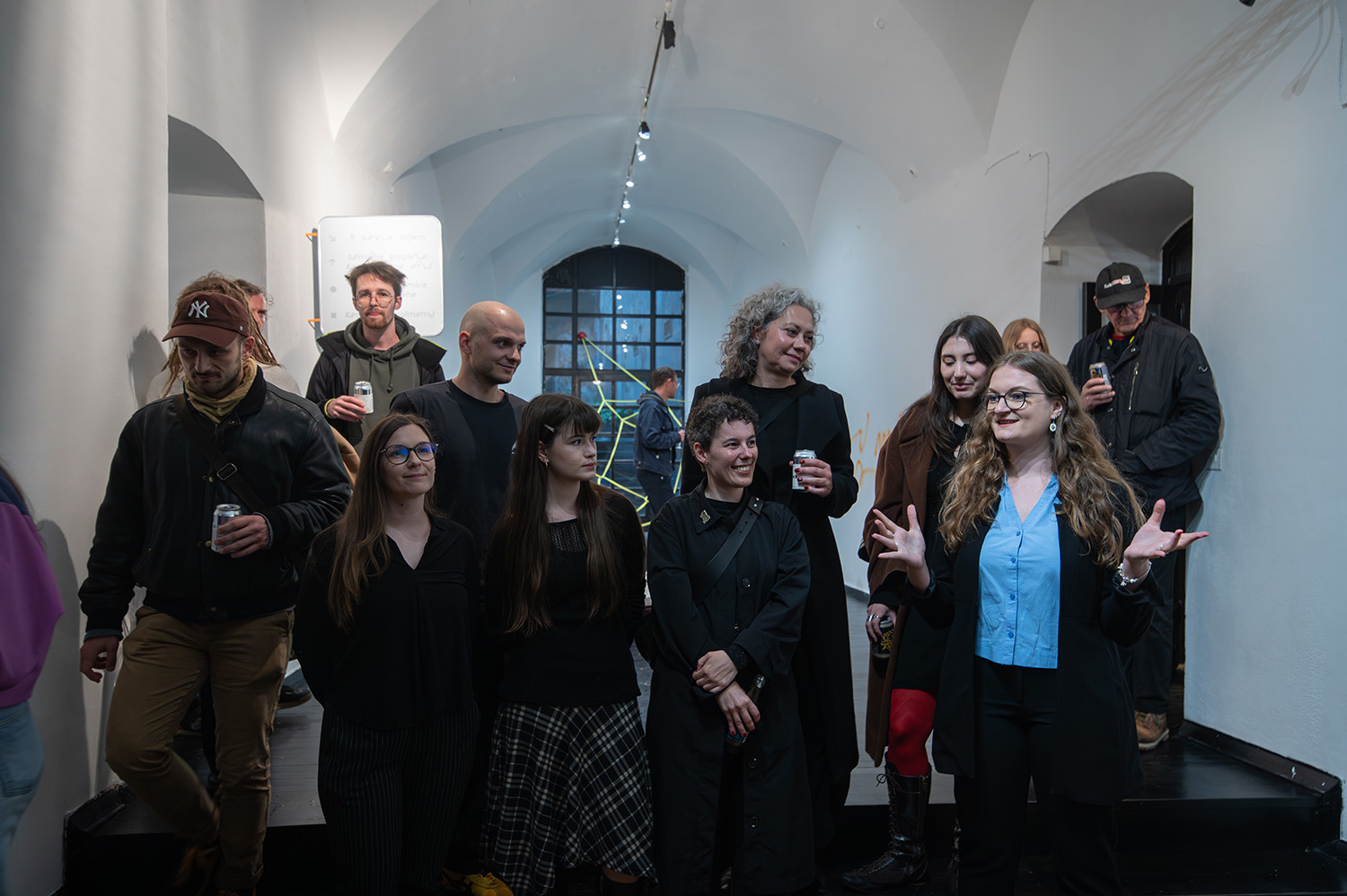
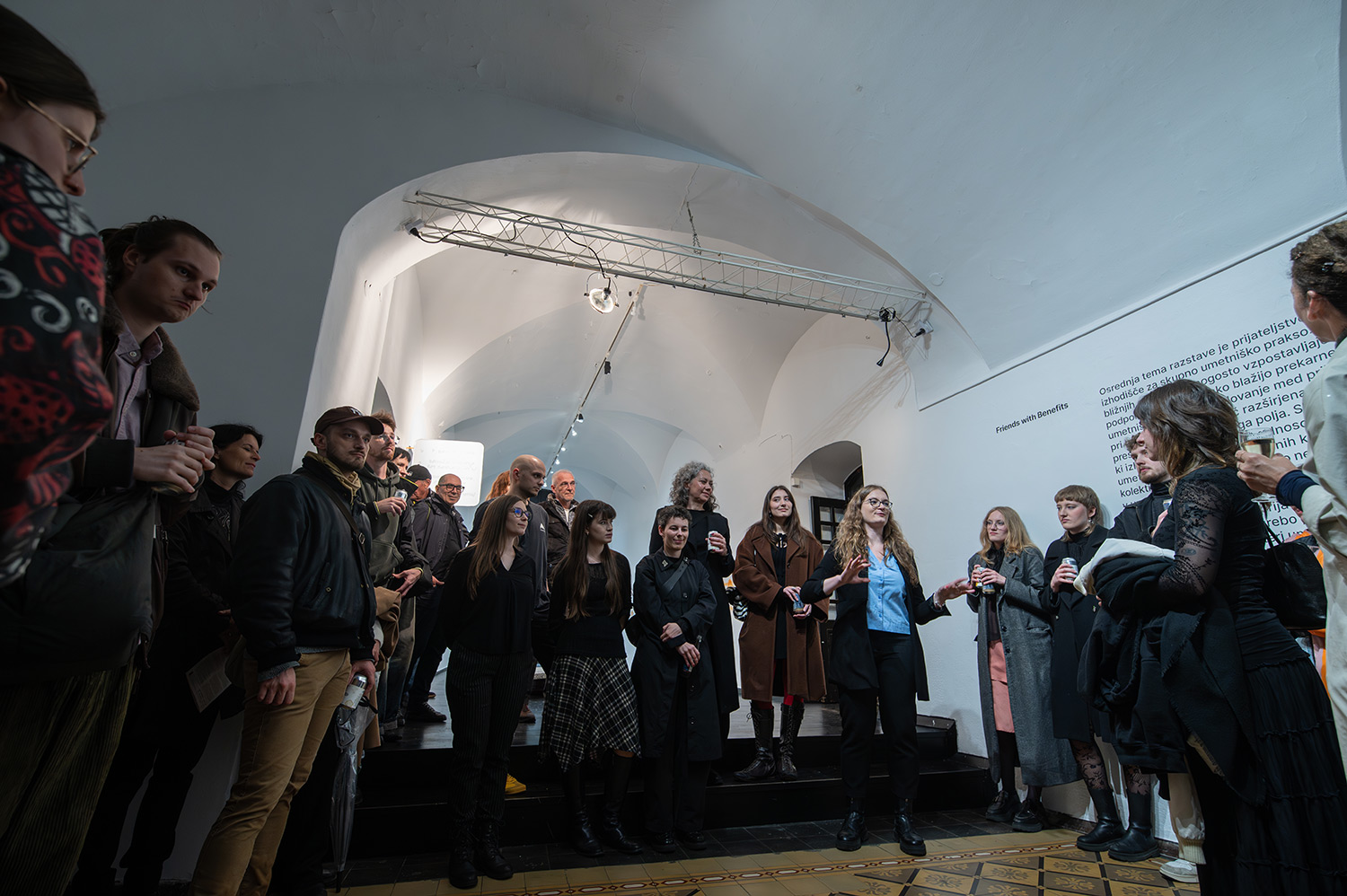
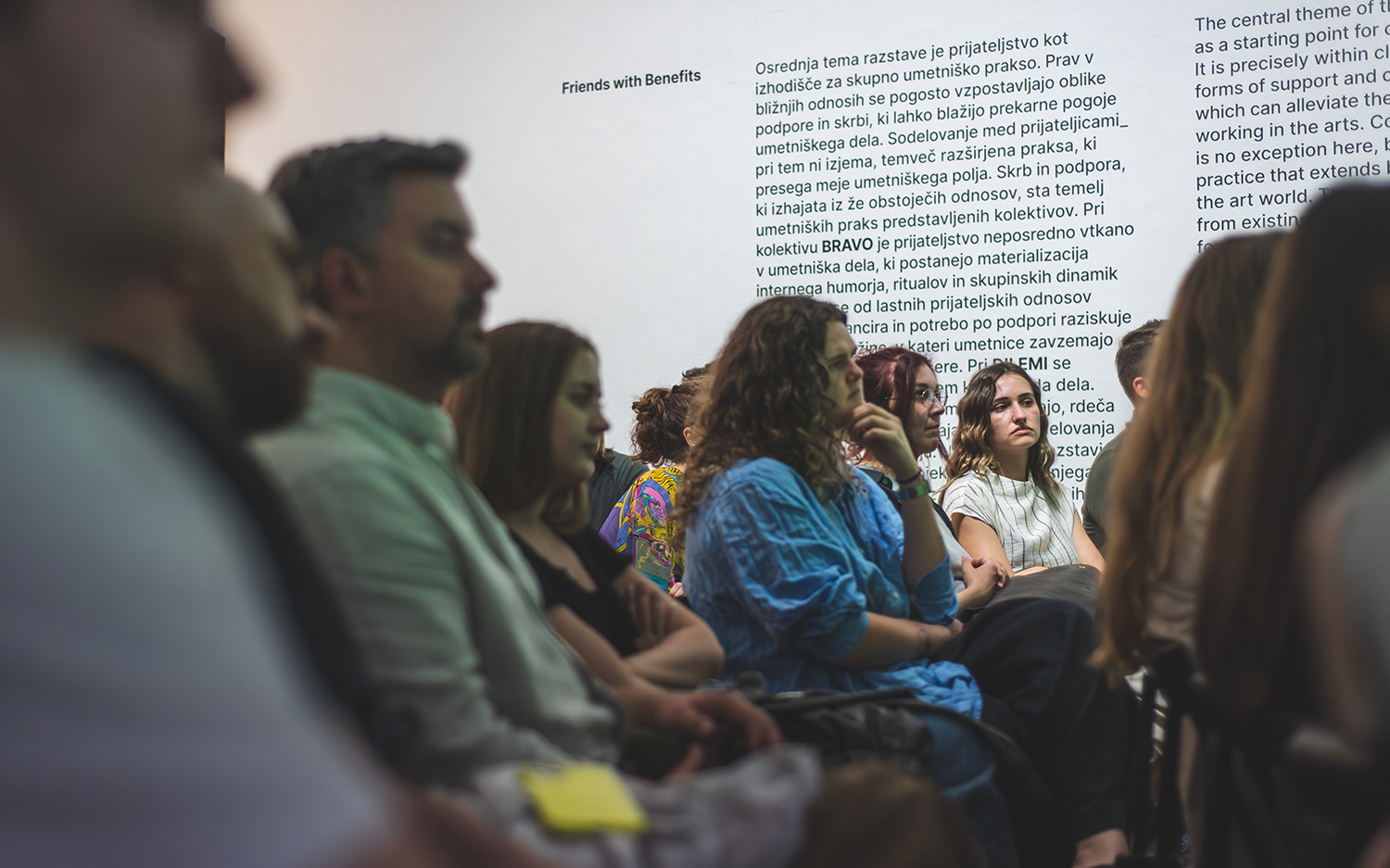
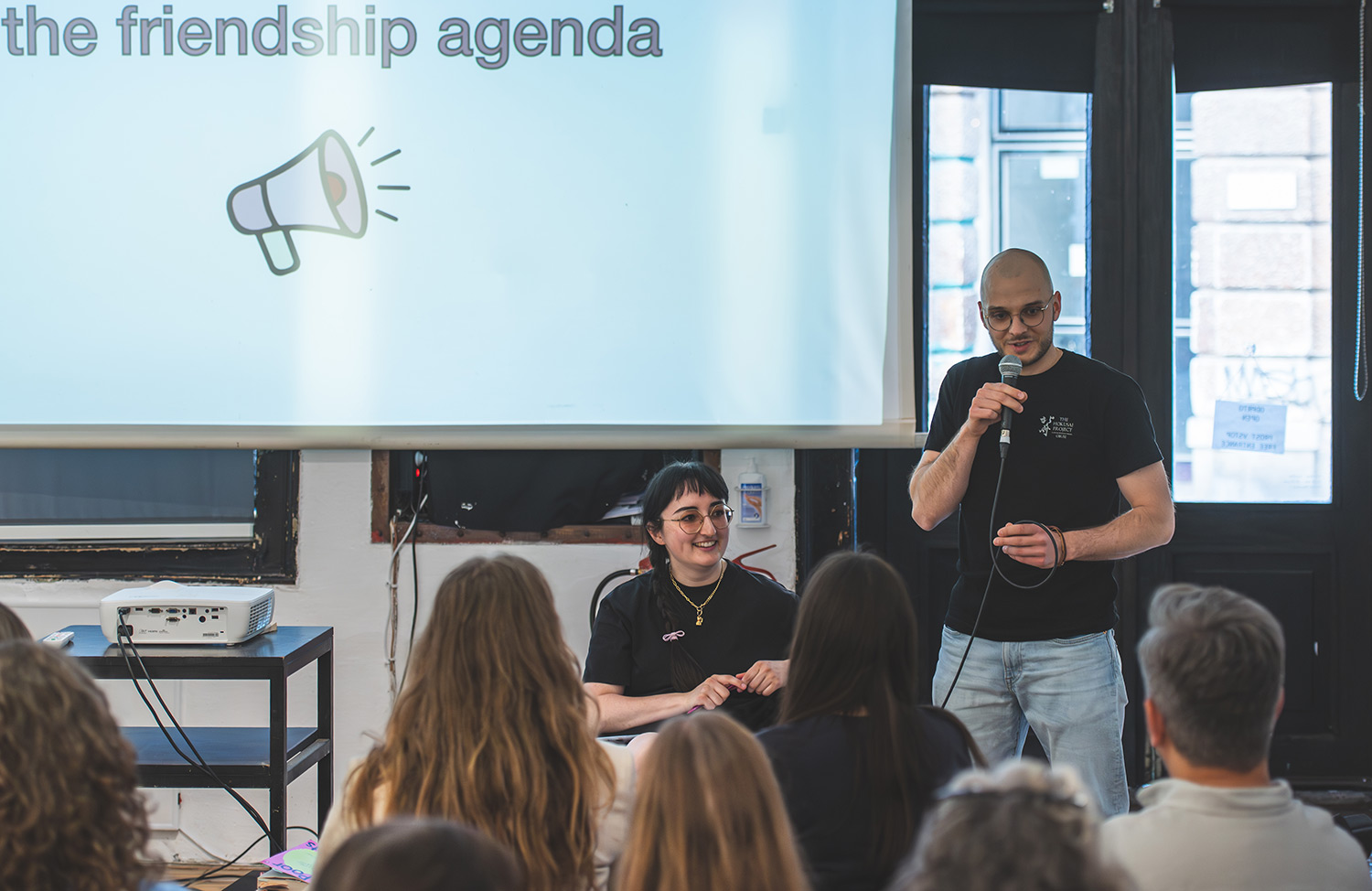
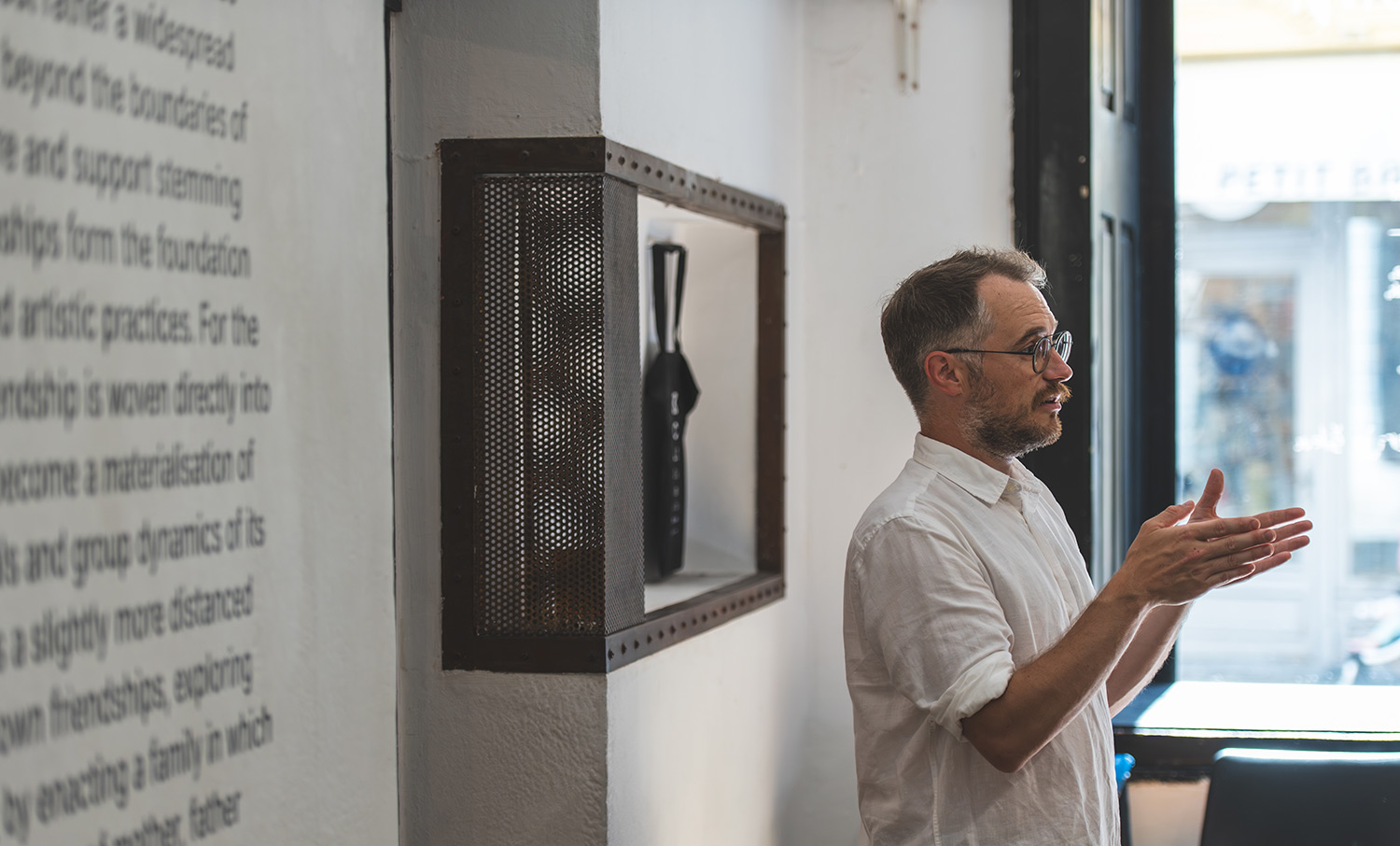
Opening of the exhibition (photo: Simao Bessa © Galerija Škuc)
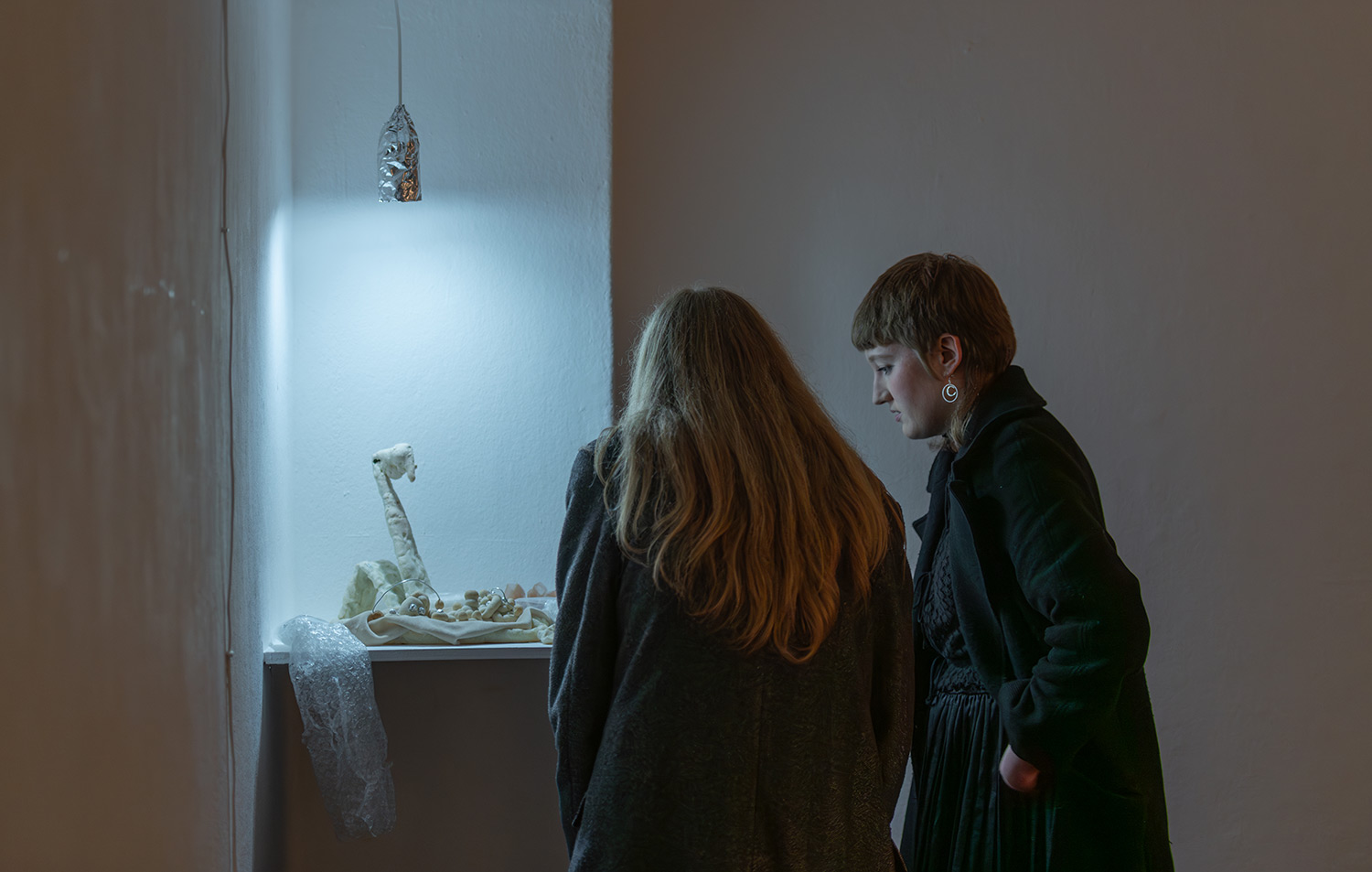
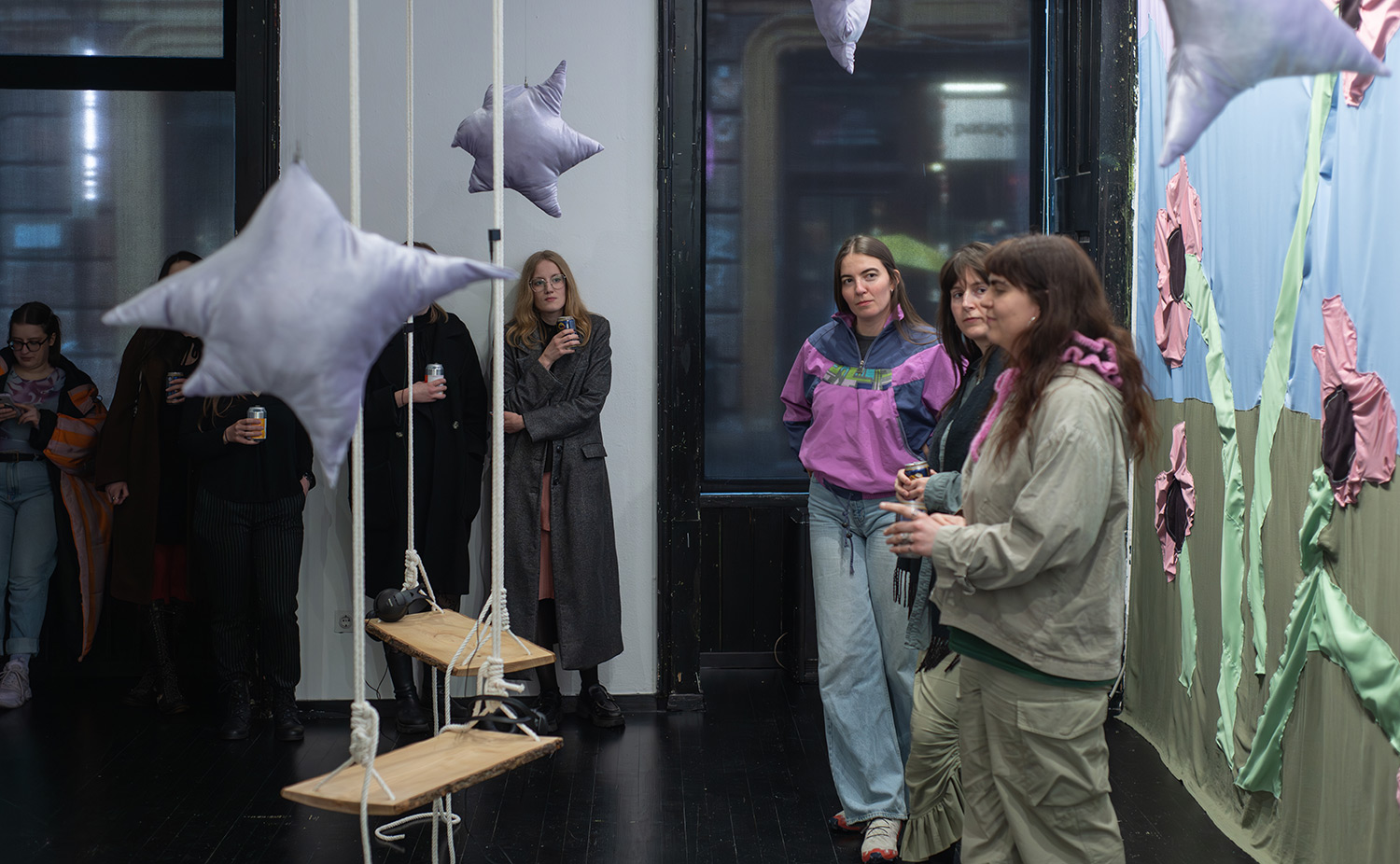
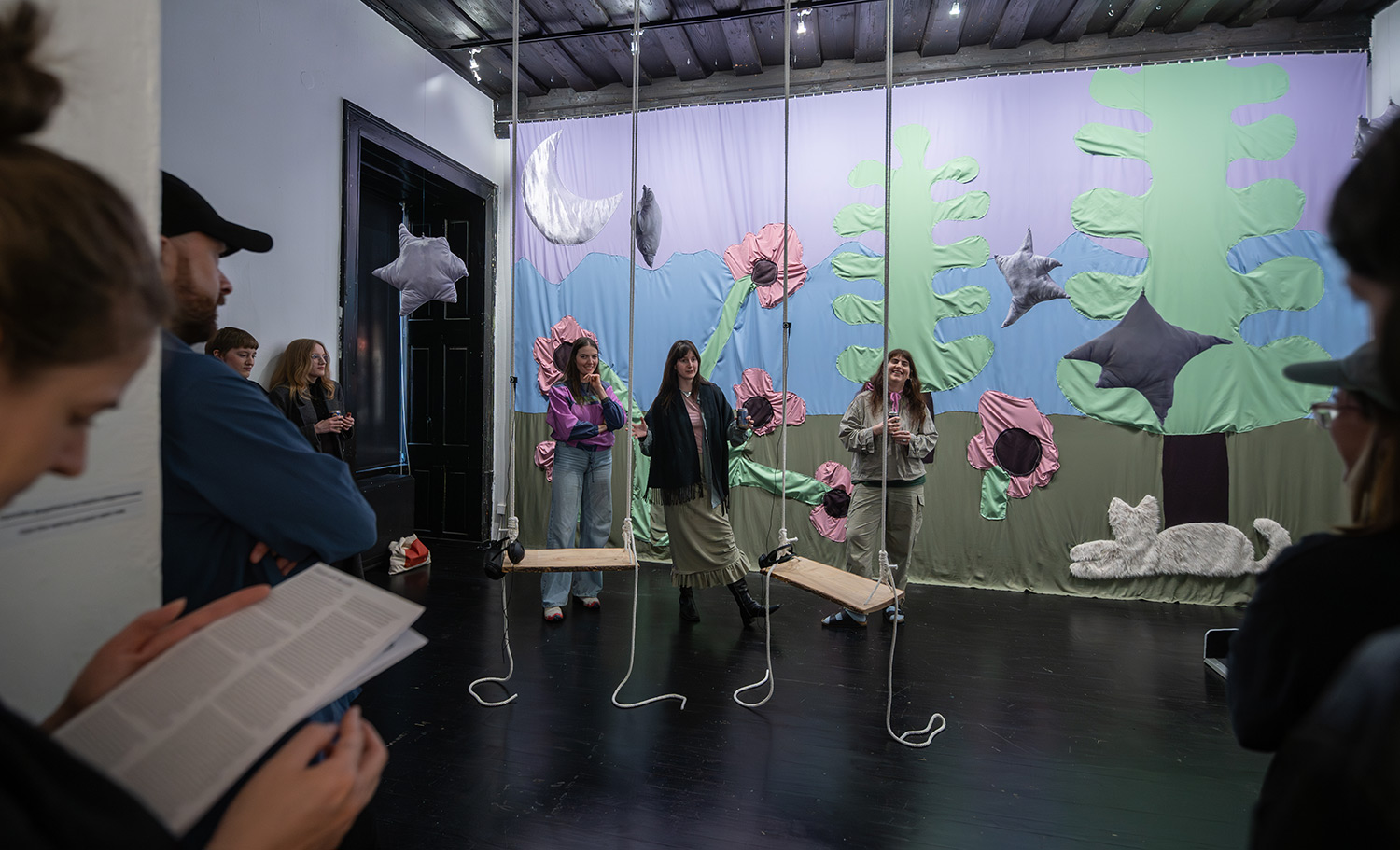
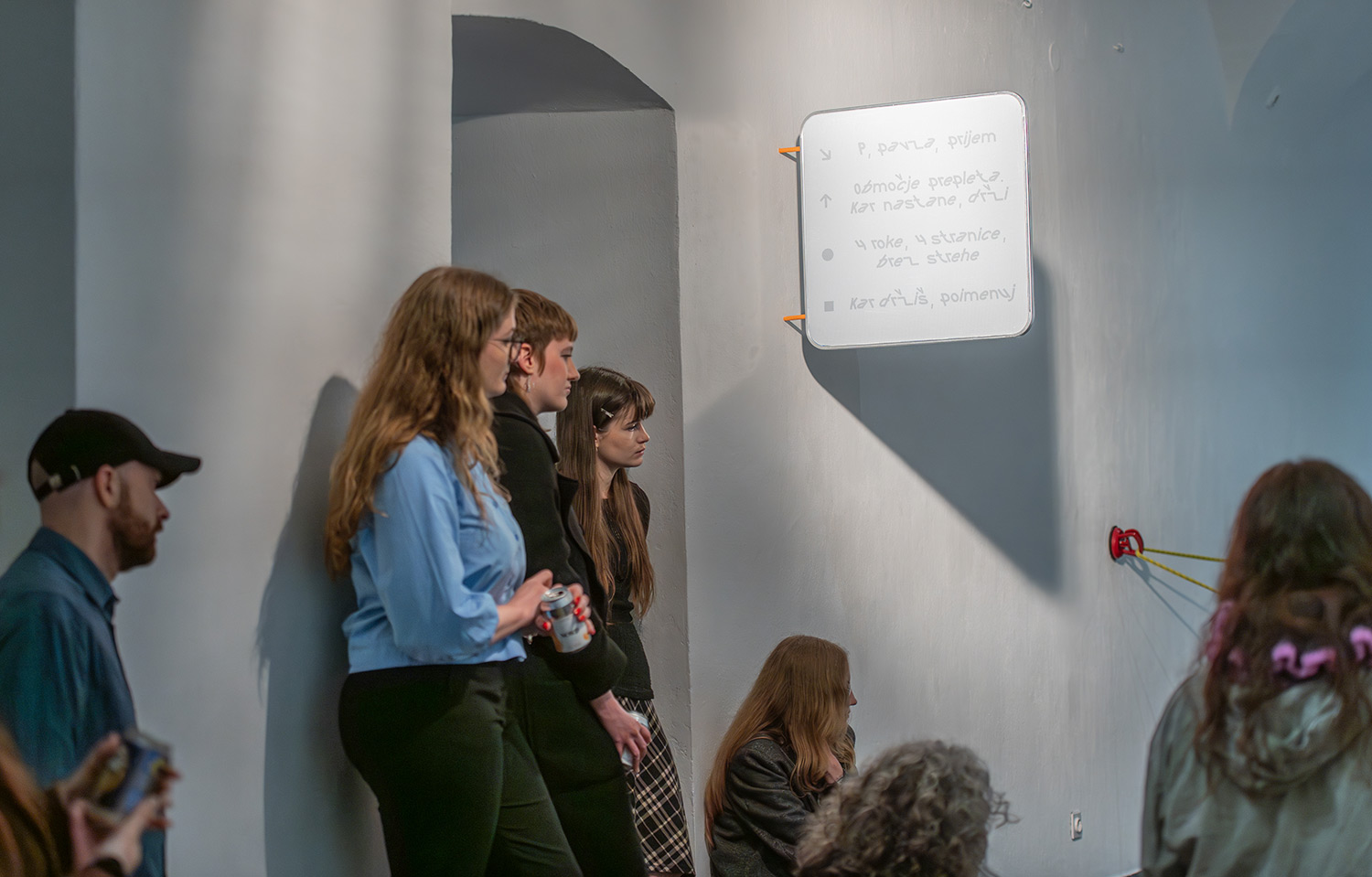
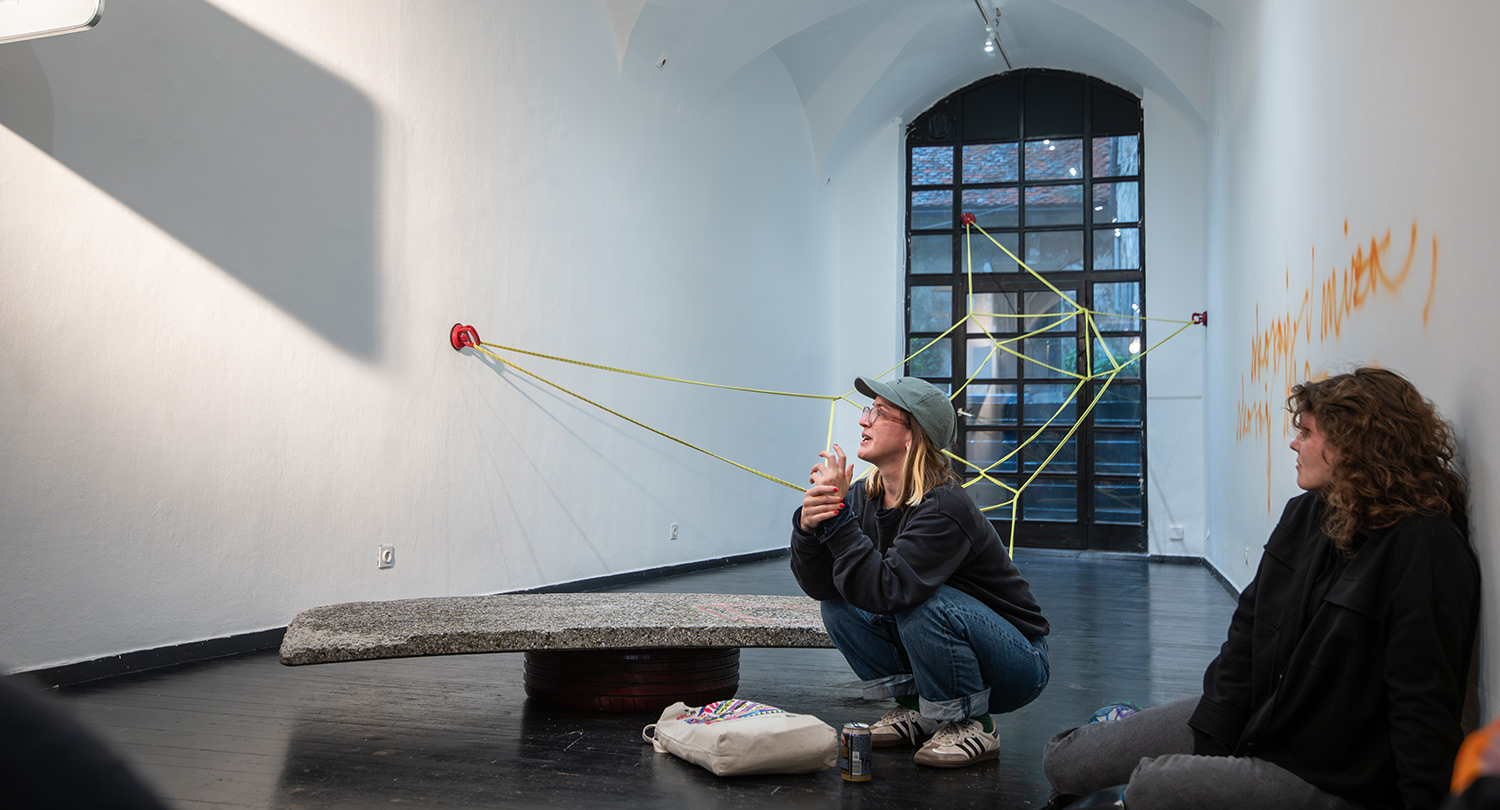
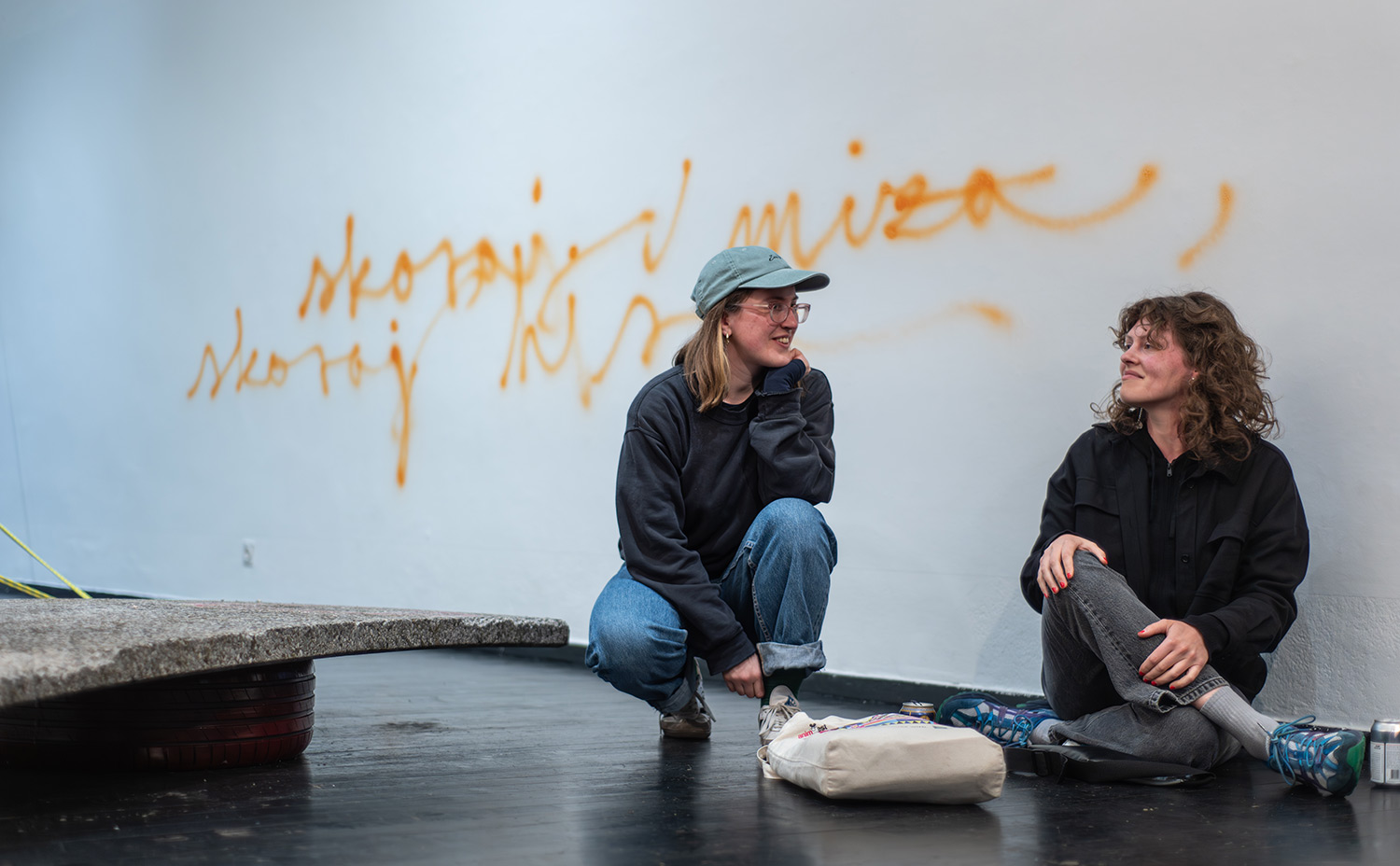
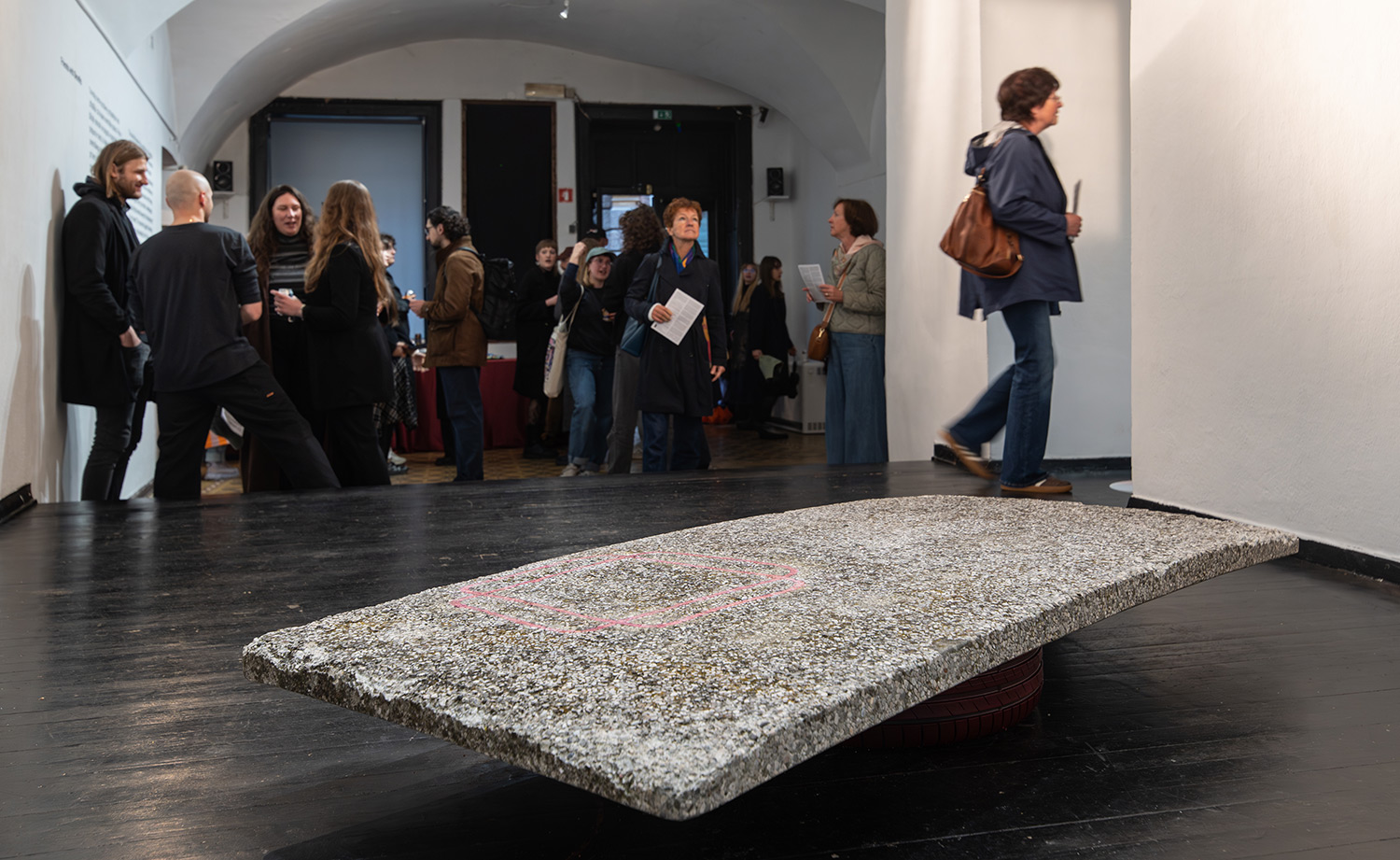
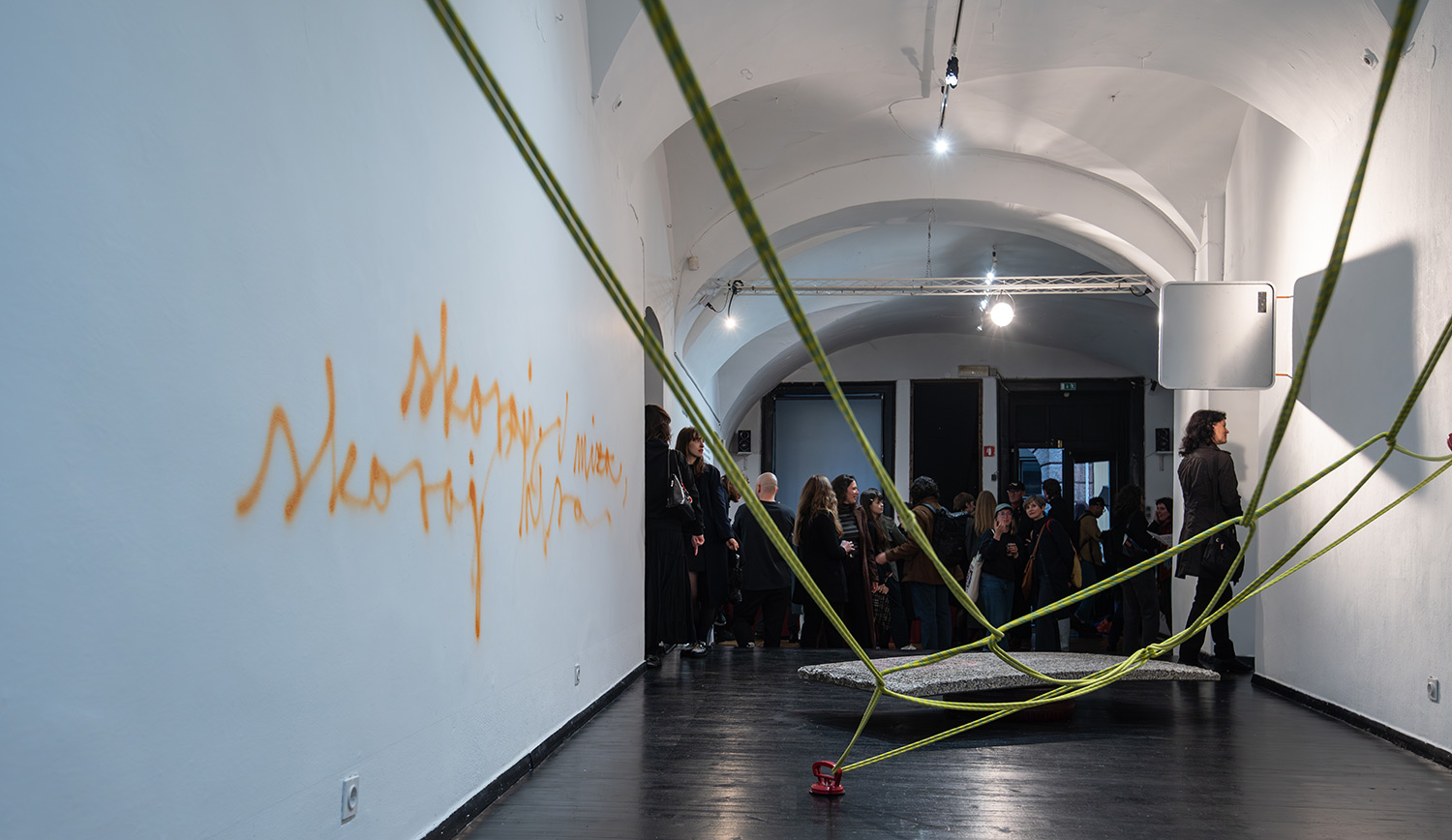
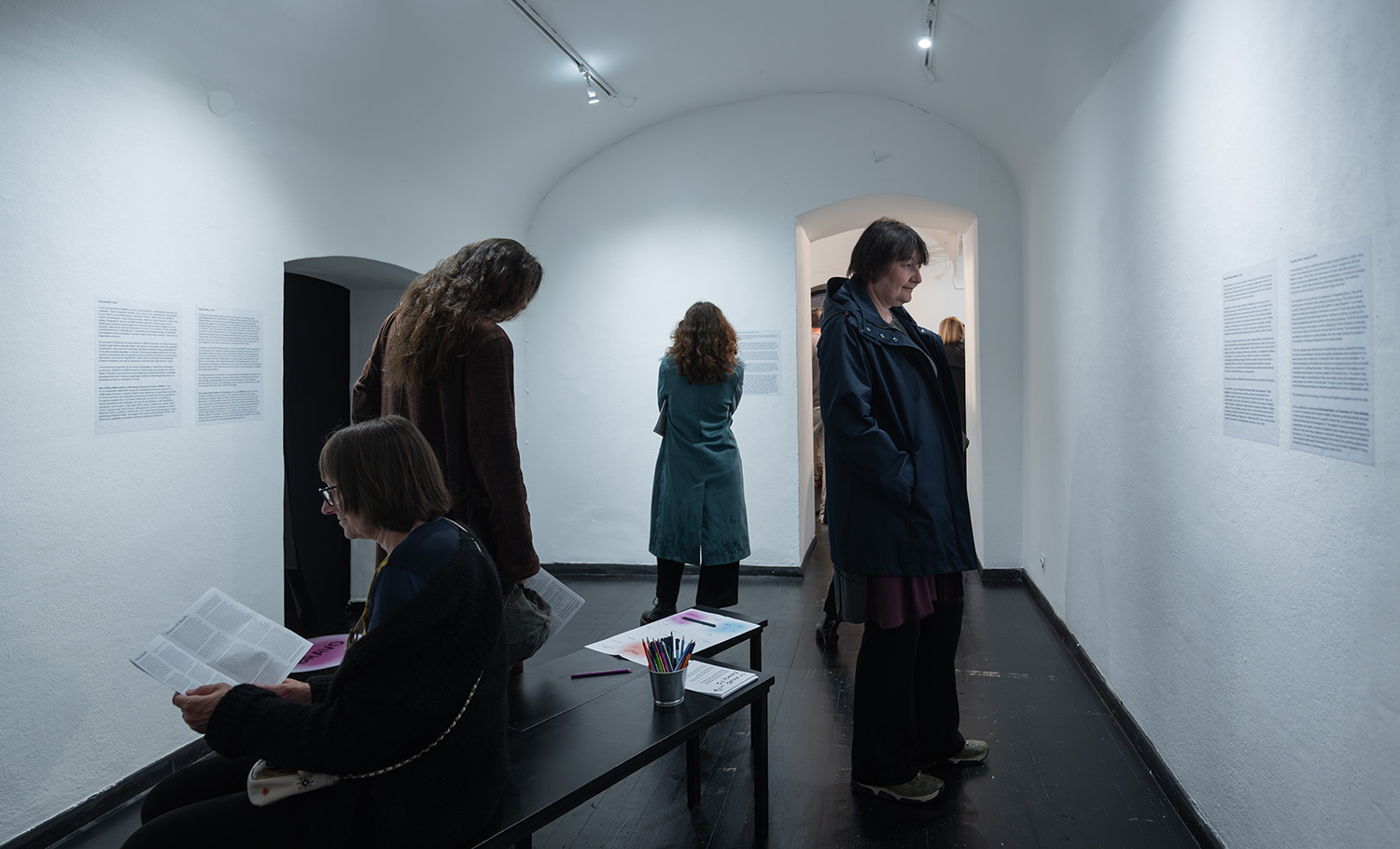
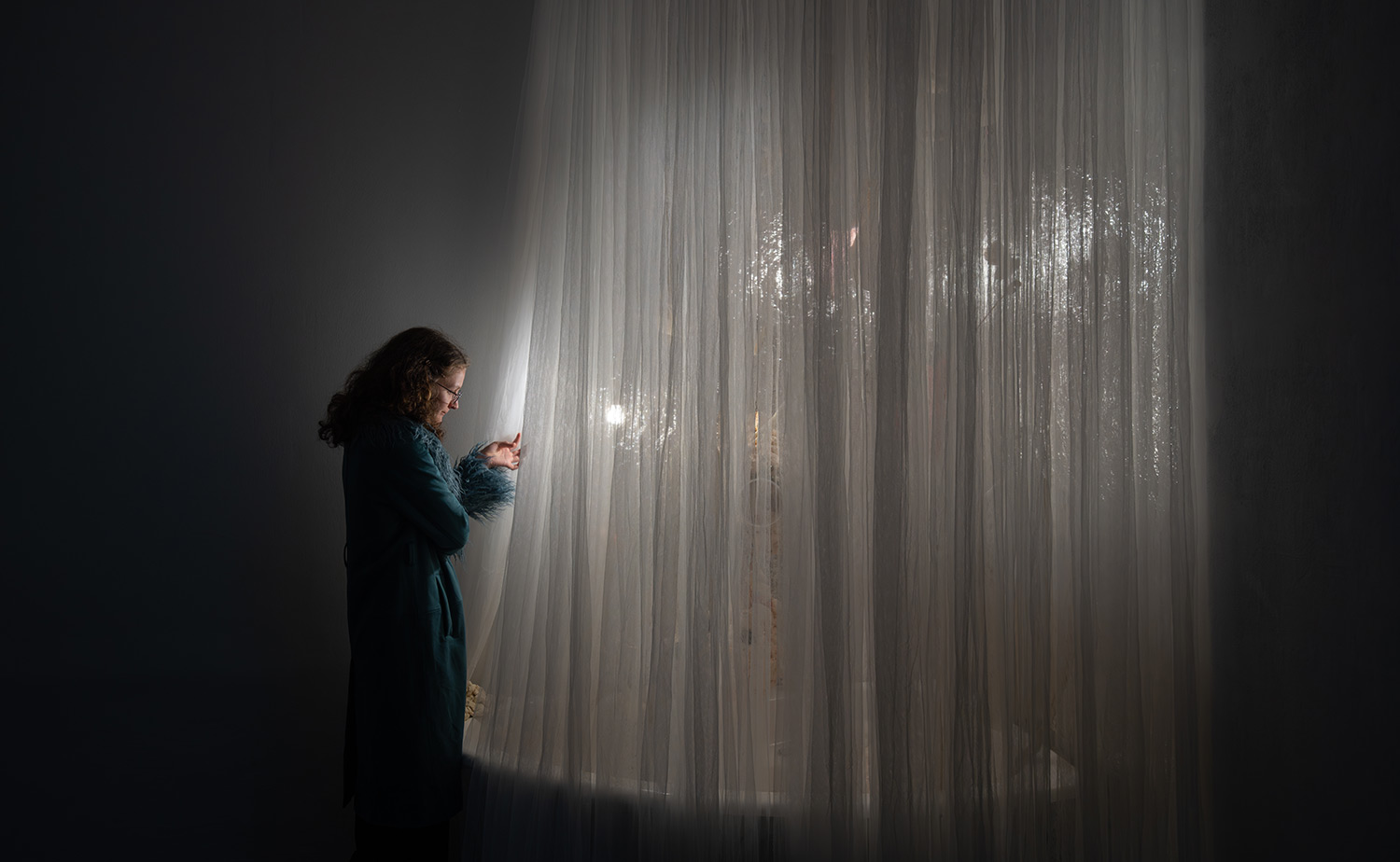
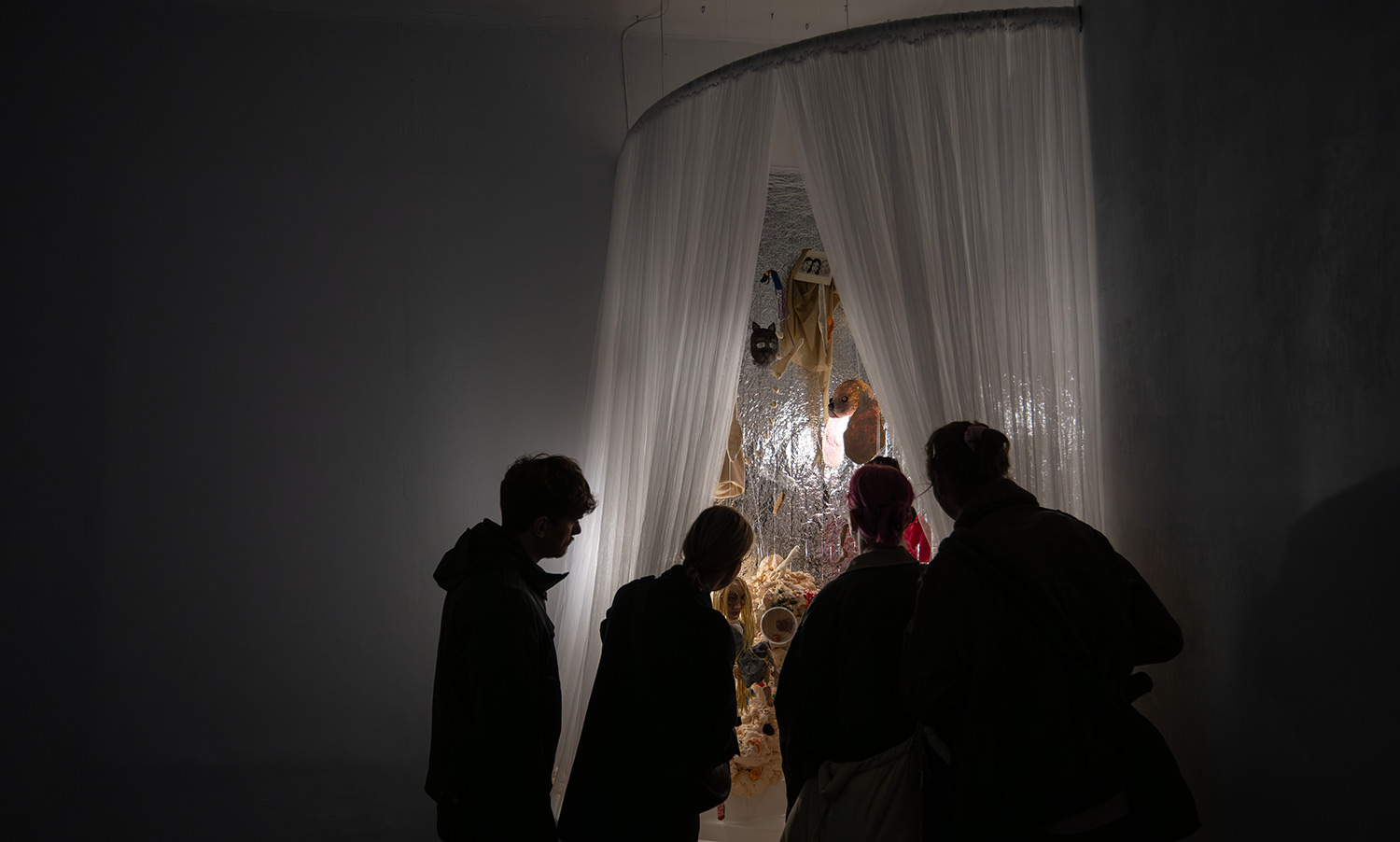
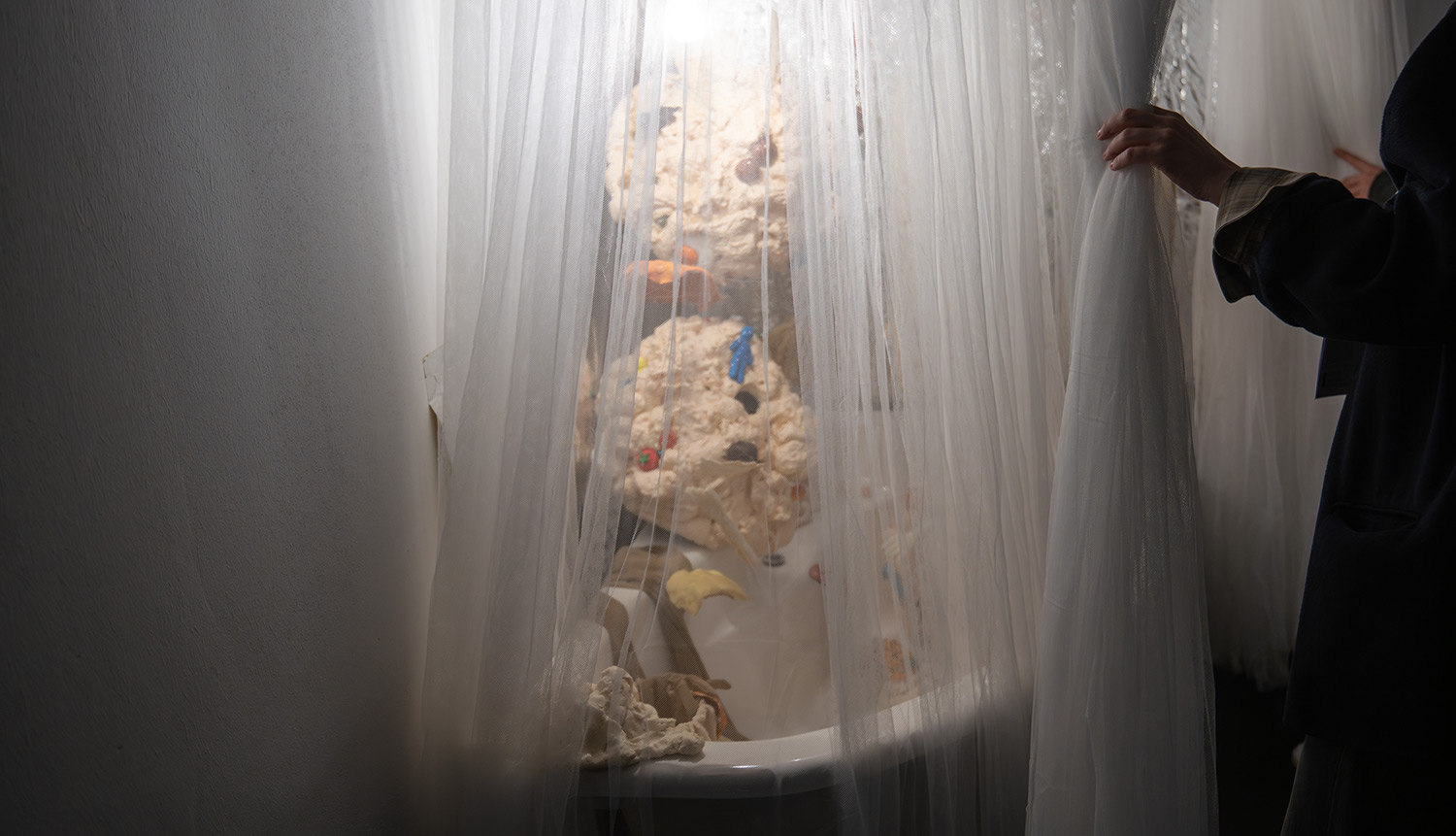
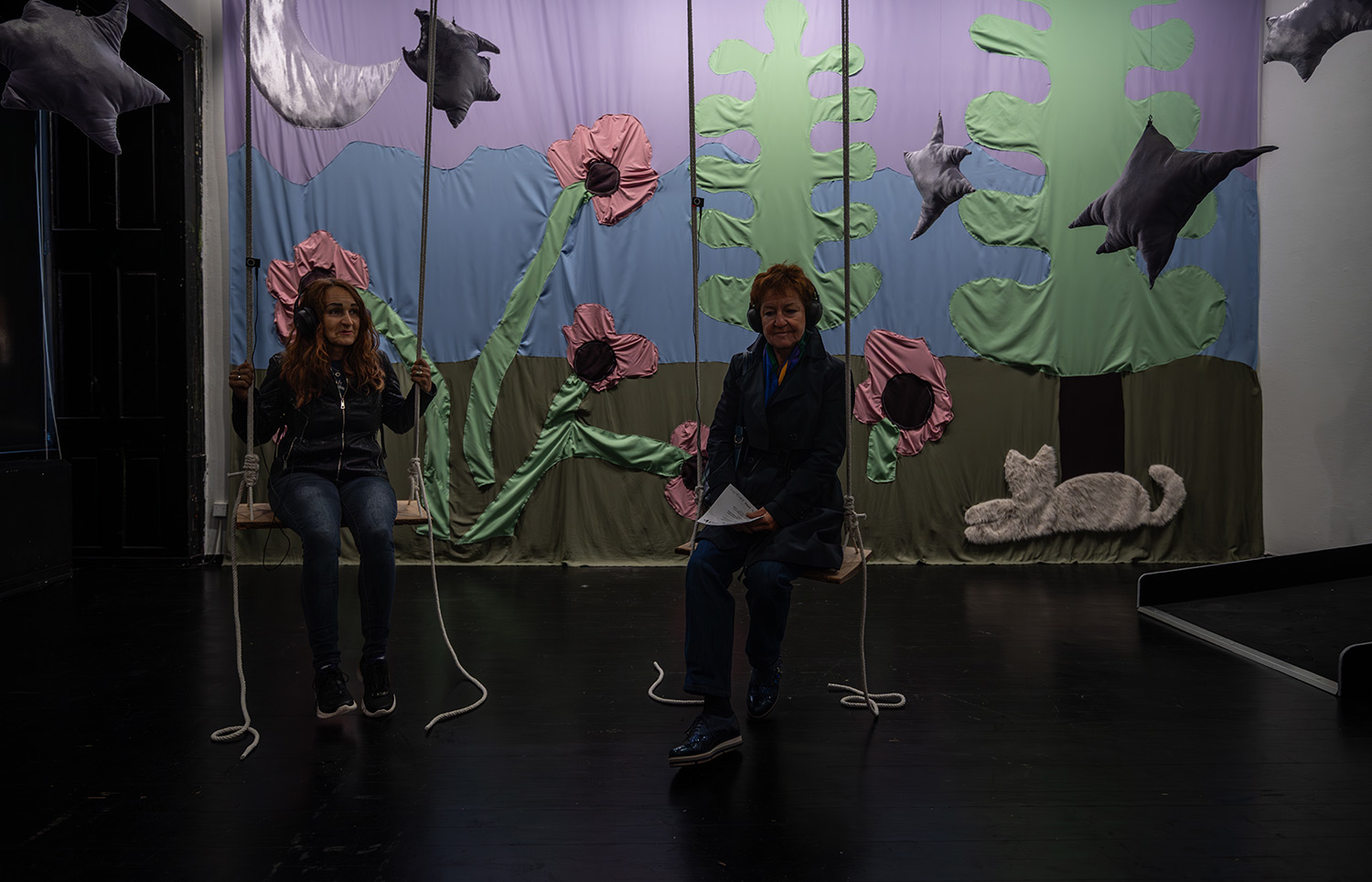
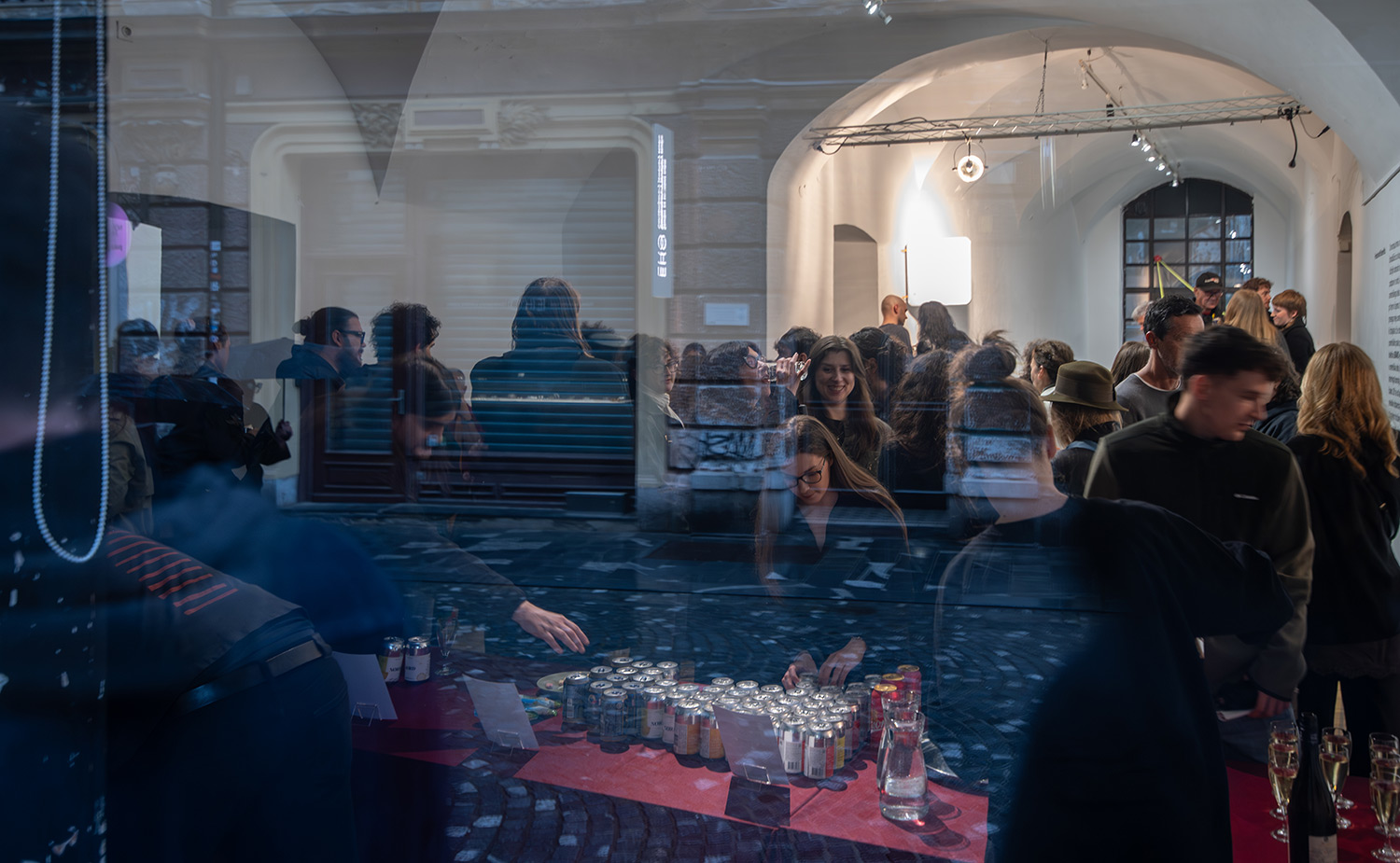
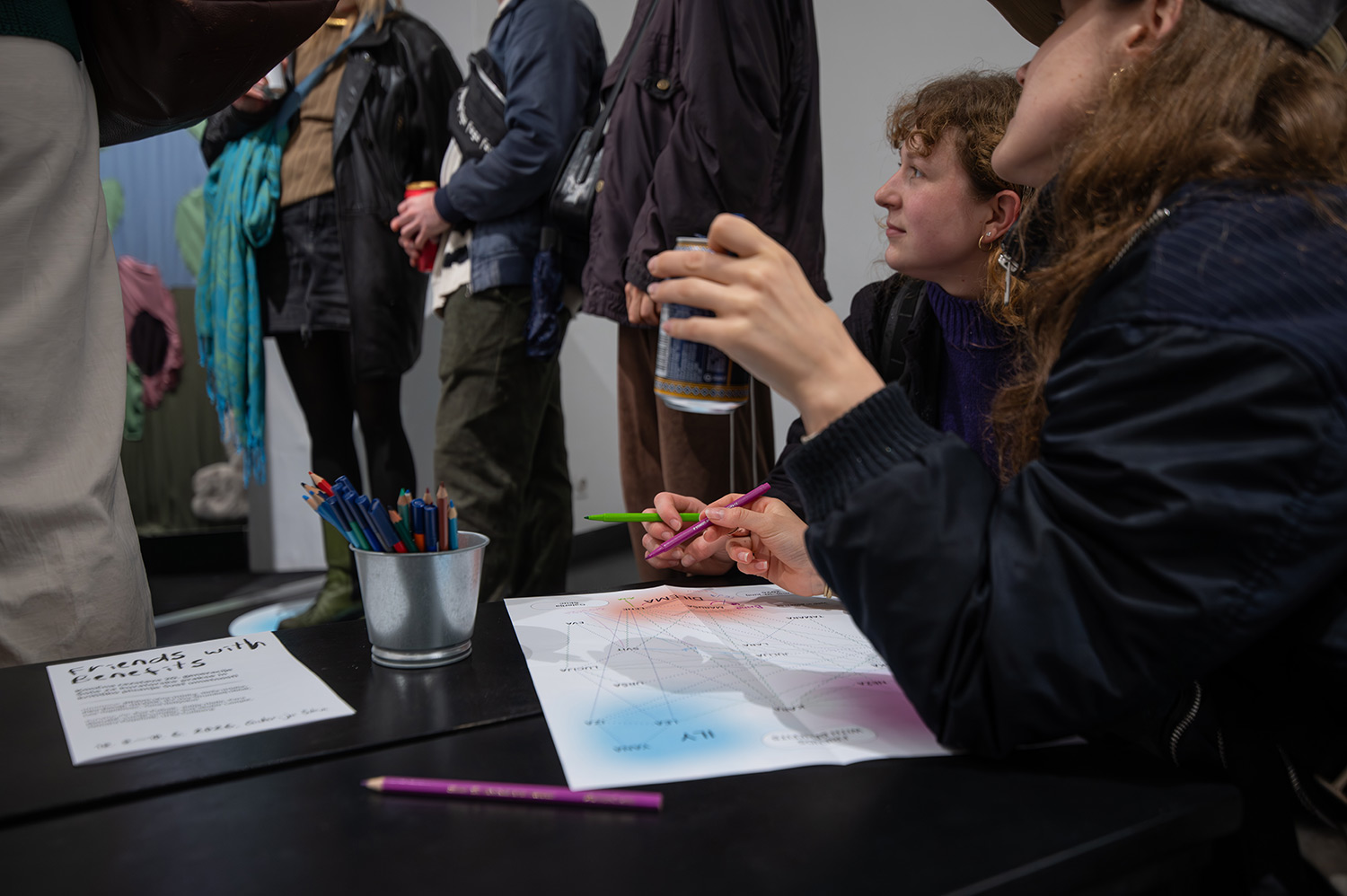
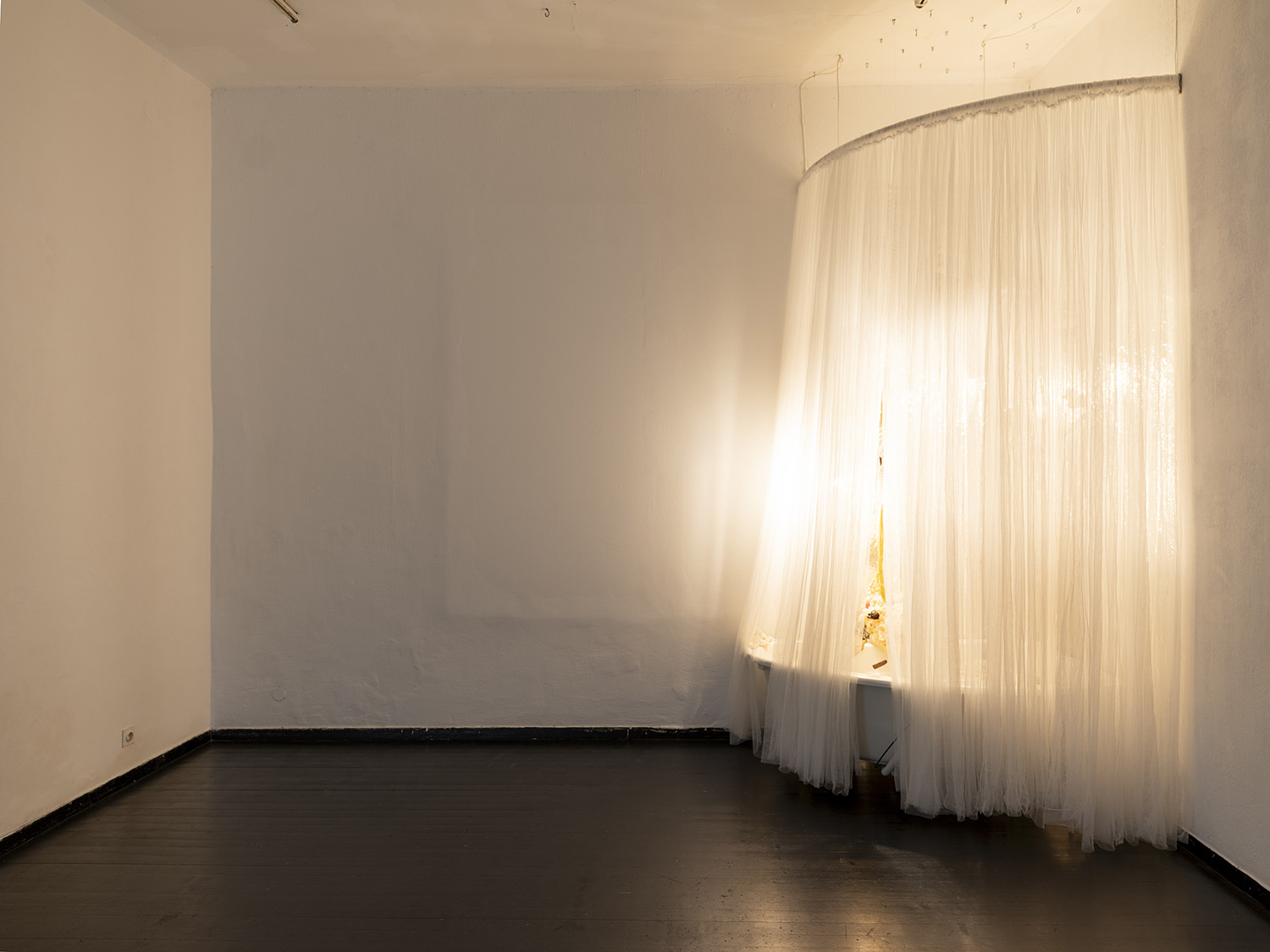
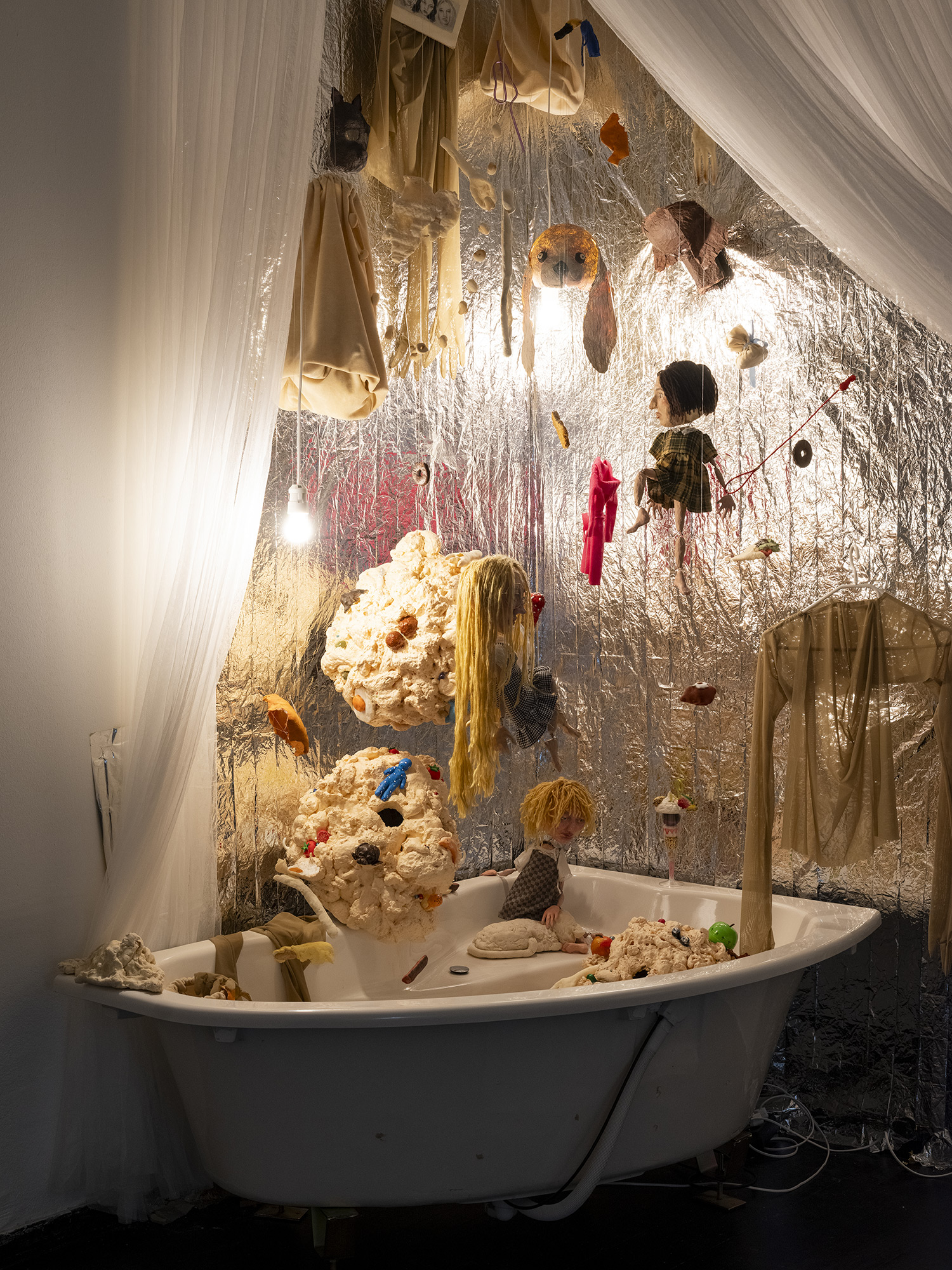
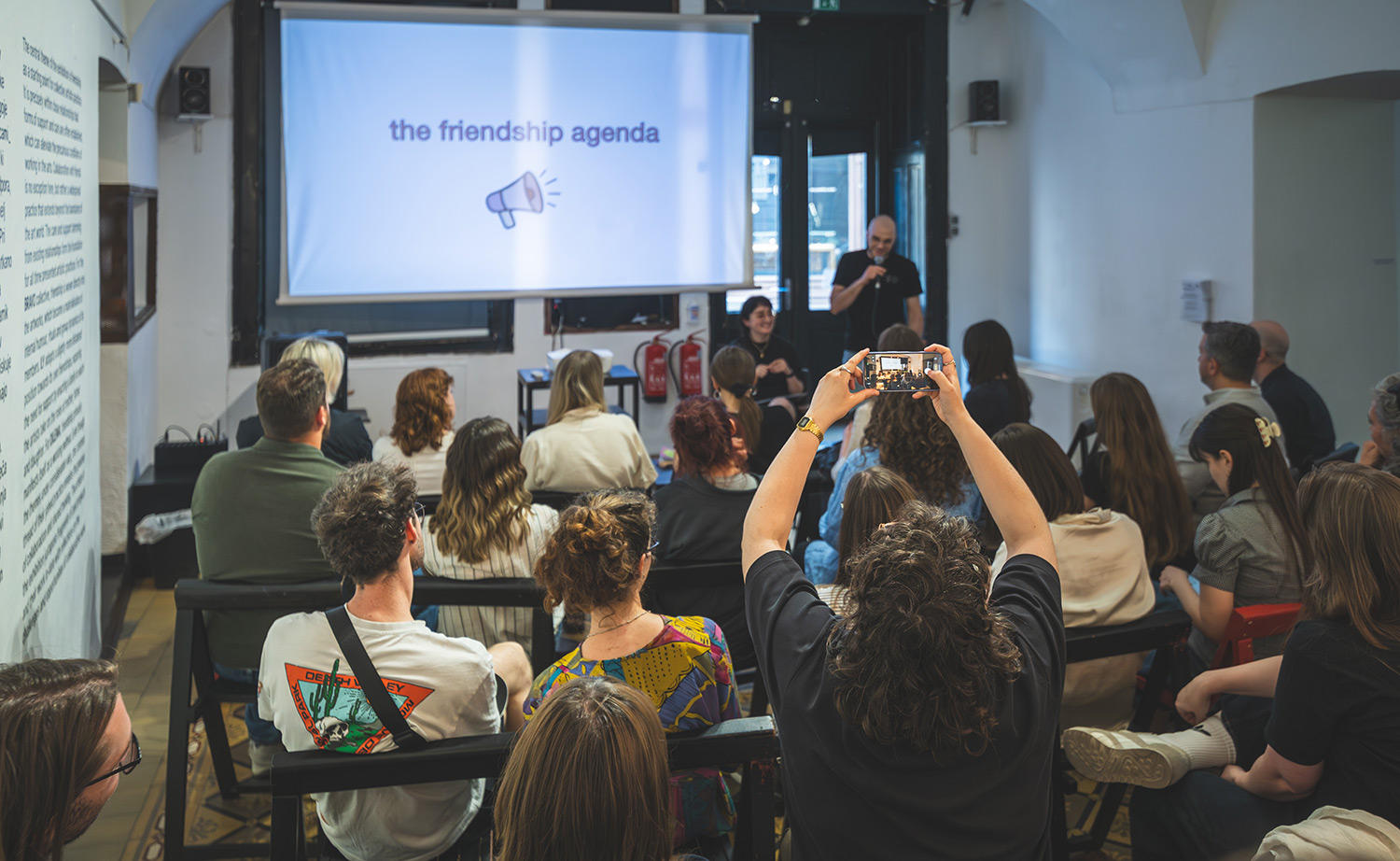
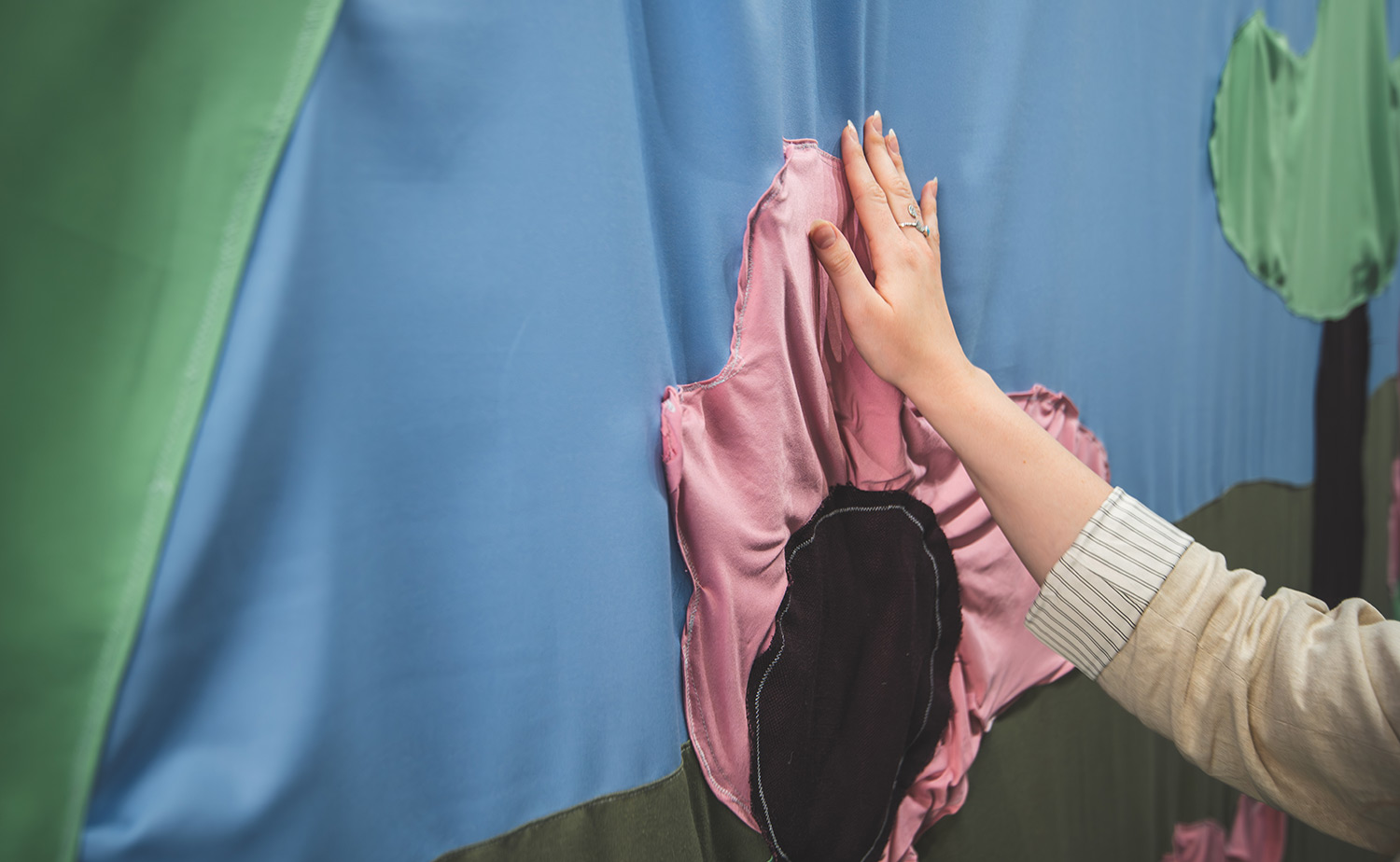
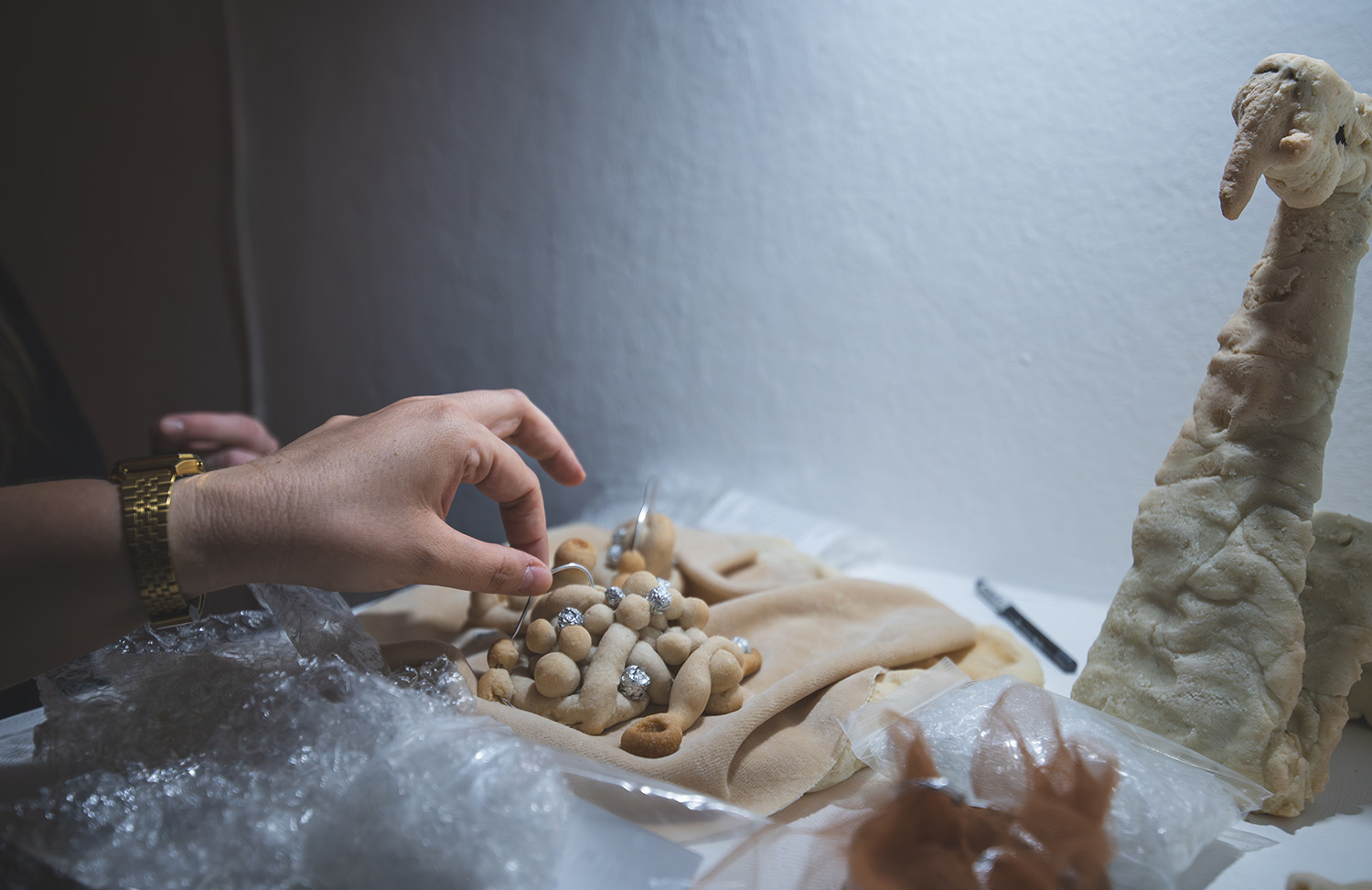
Exhibition view (photo: Matic Pandel © Škuc Gallery)
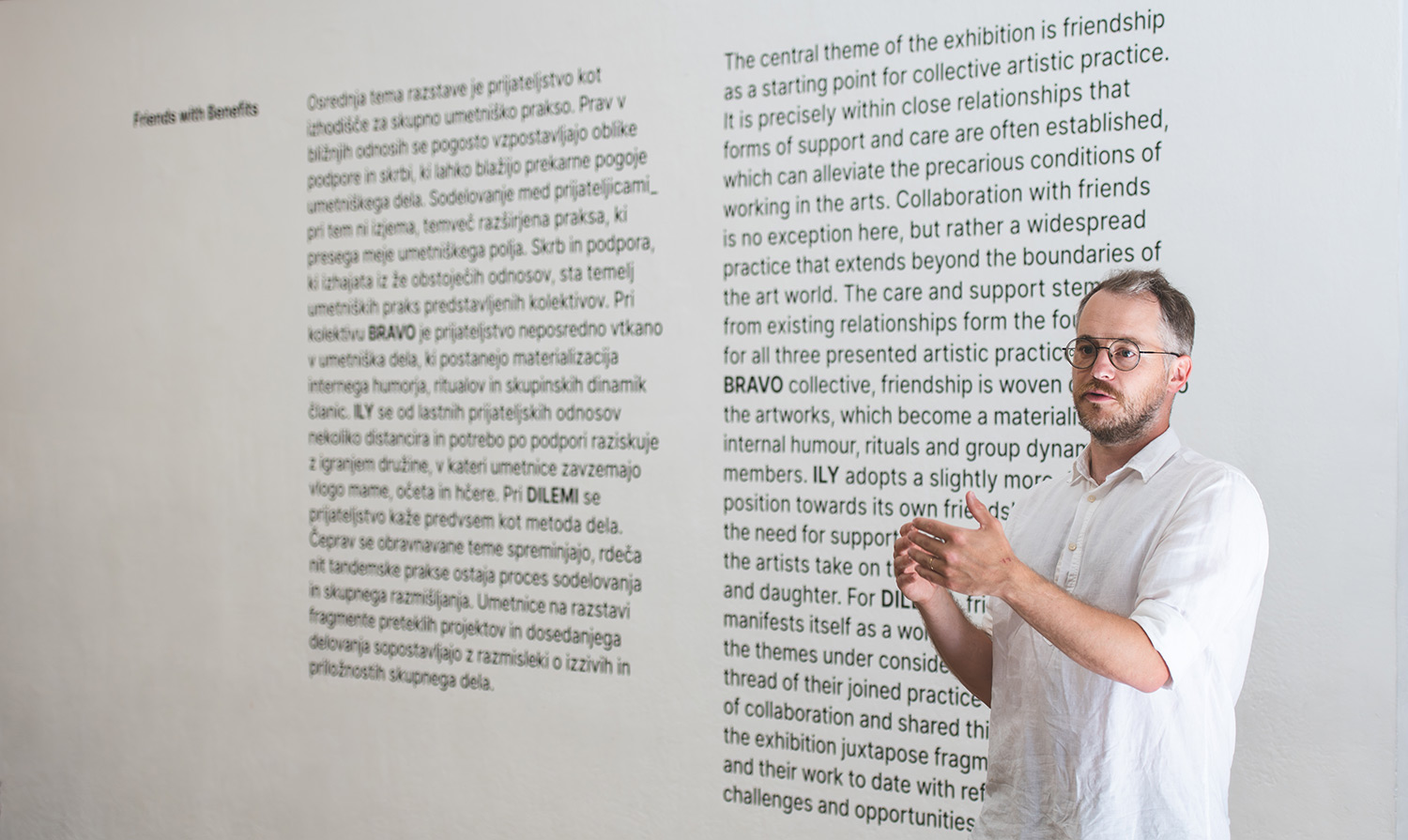
Lecture and book presentation Gabrielle de la Puente (The White Pube): The Friendship Agenda (photo: Simao Bessa / SCCA-Ljubljana archive)
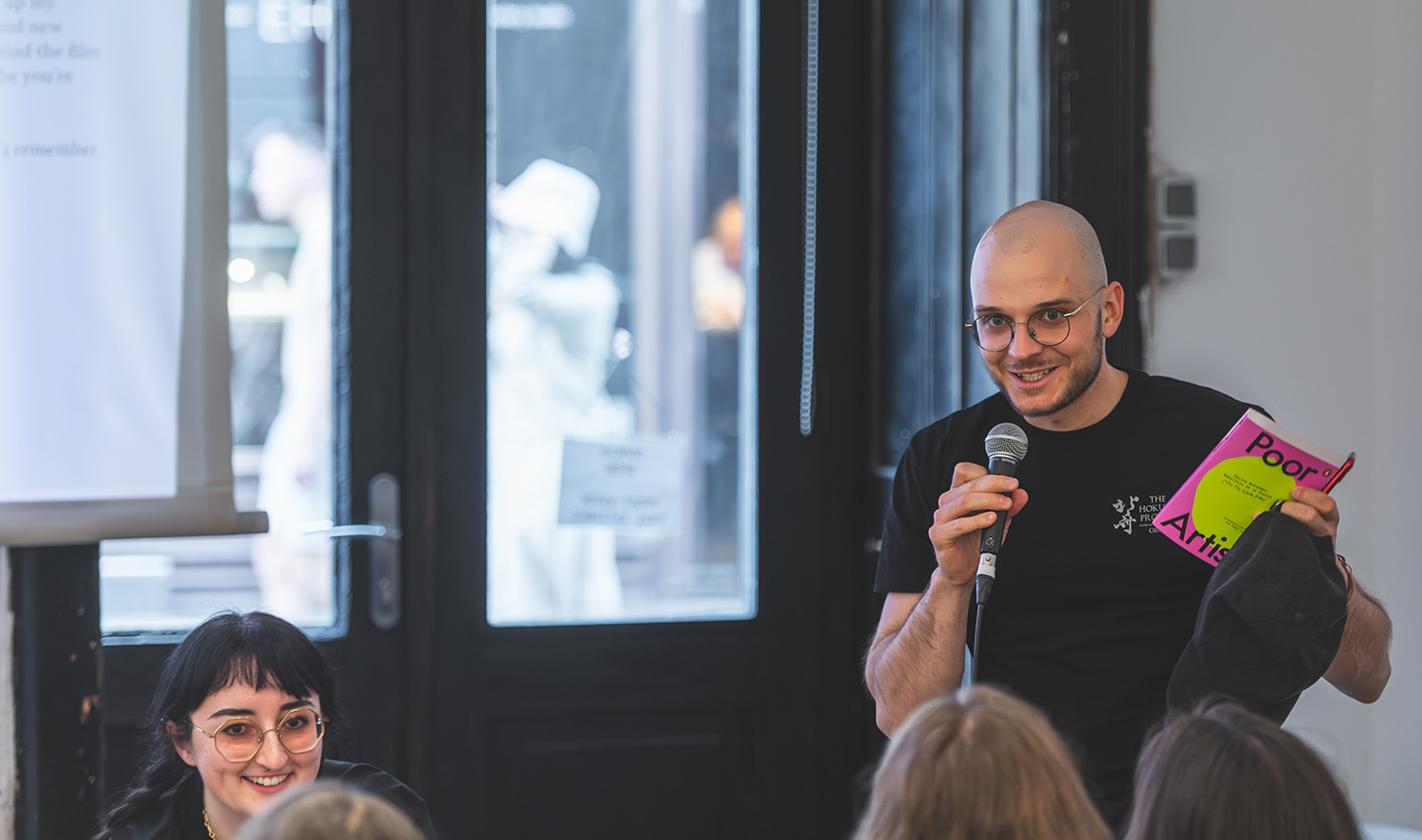
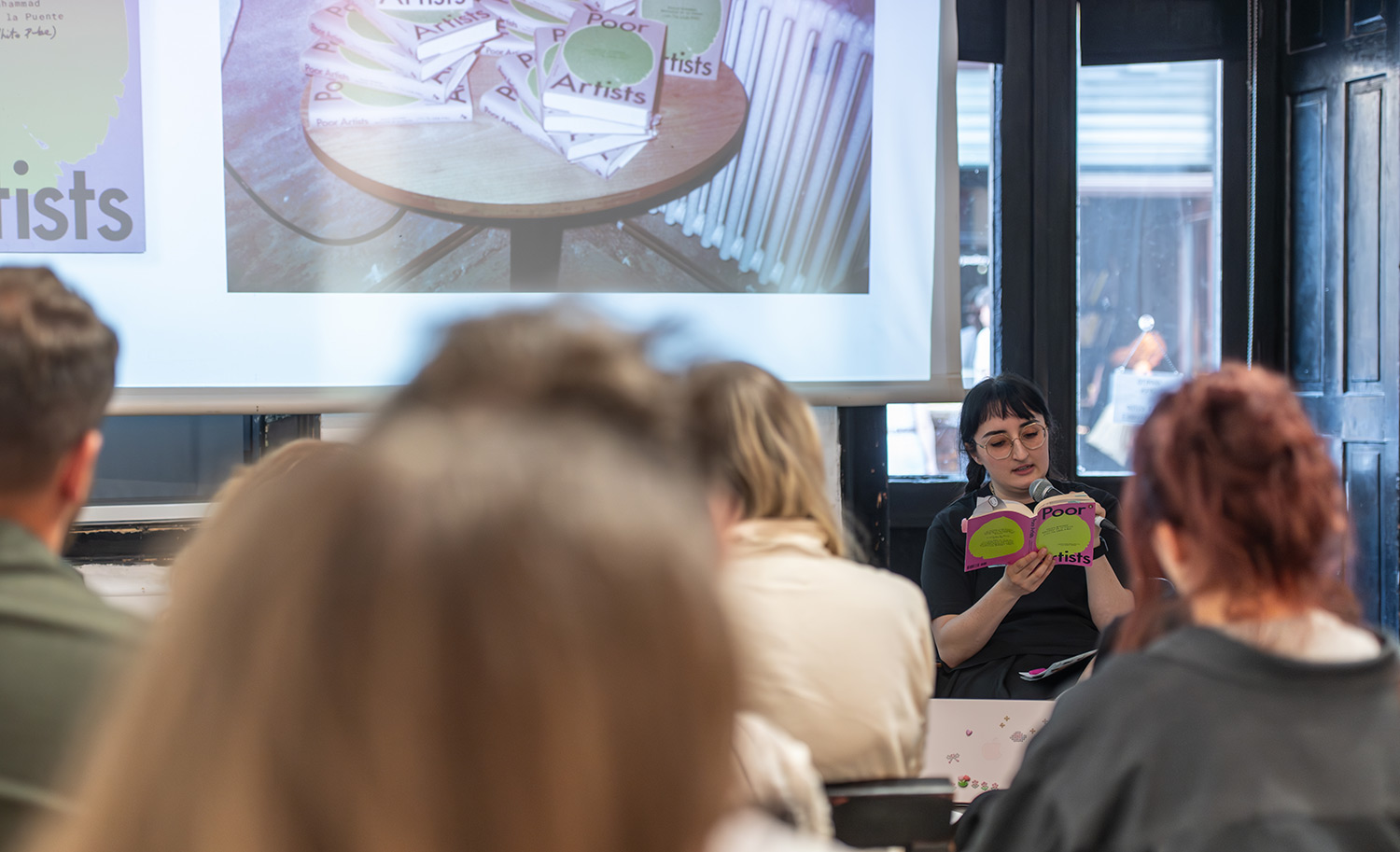
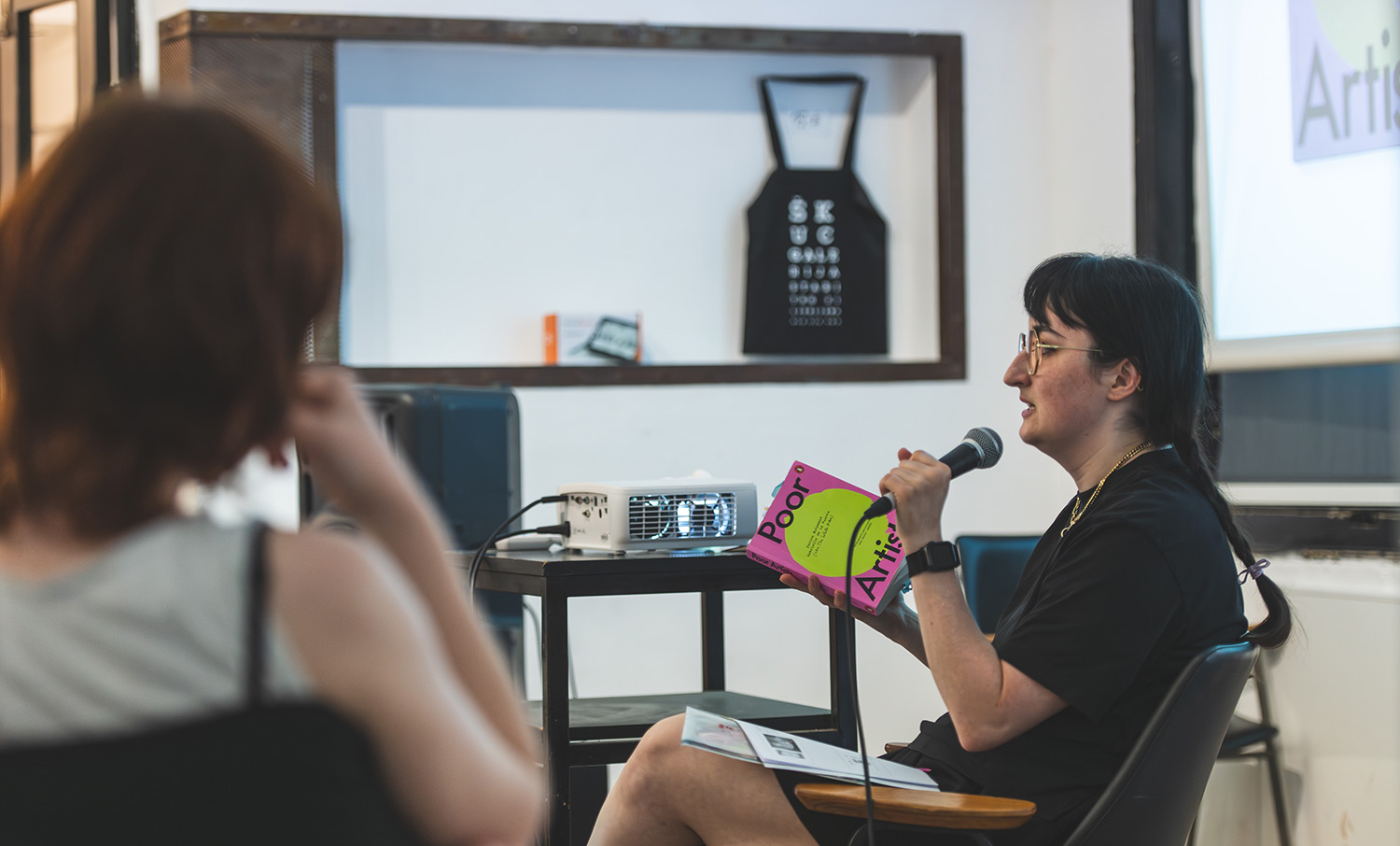
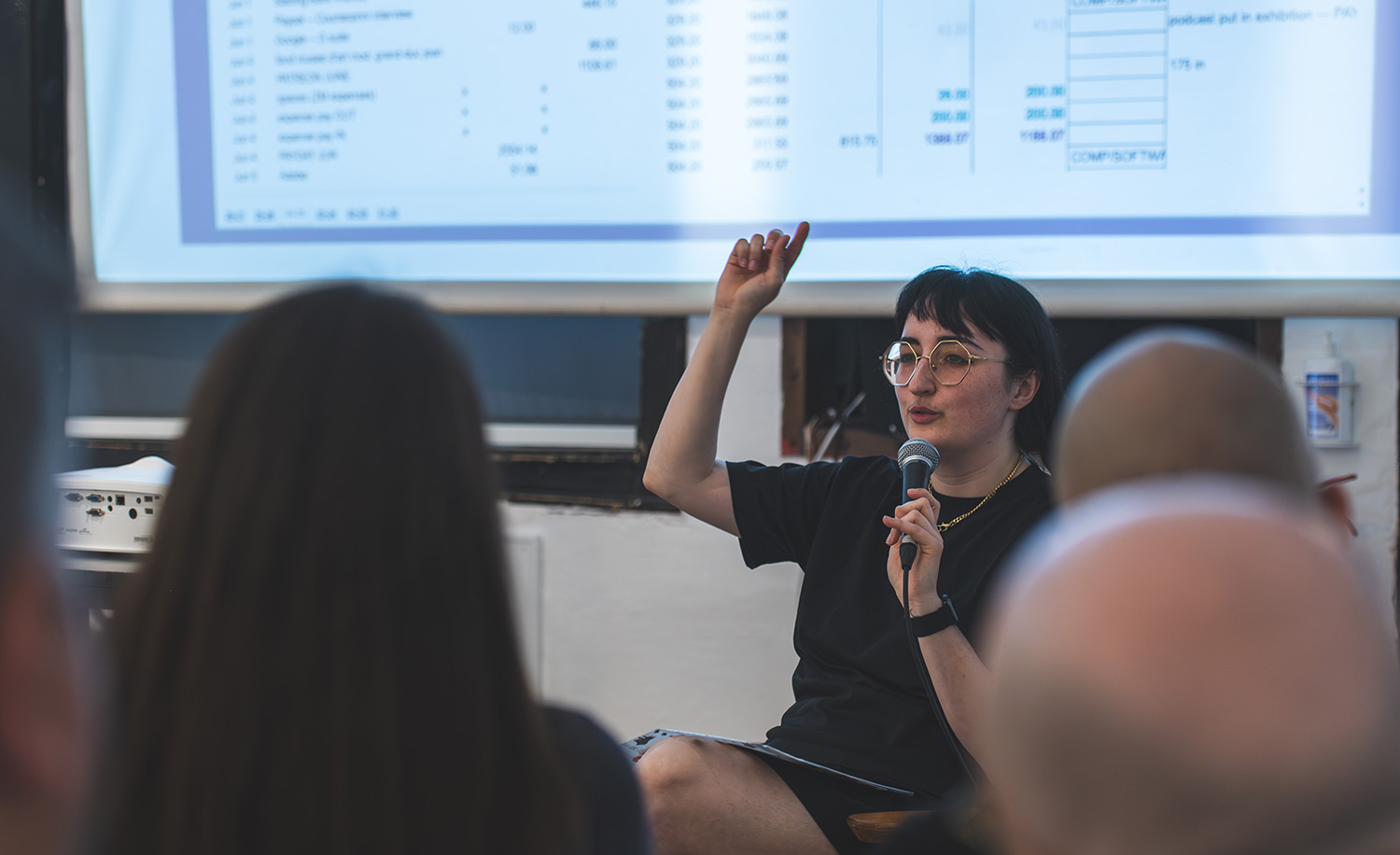
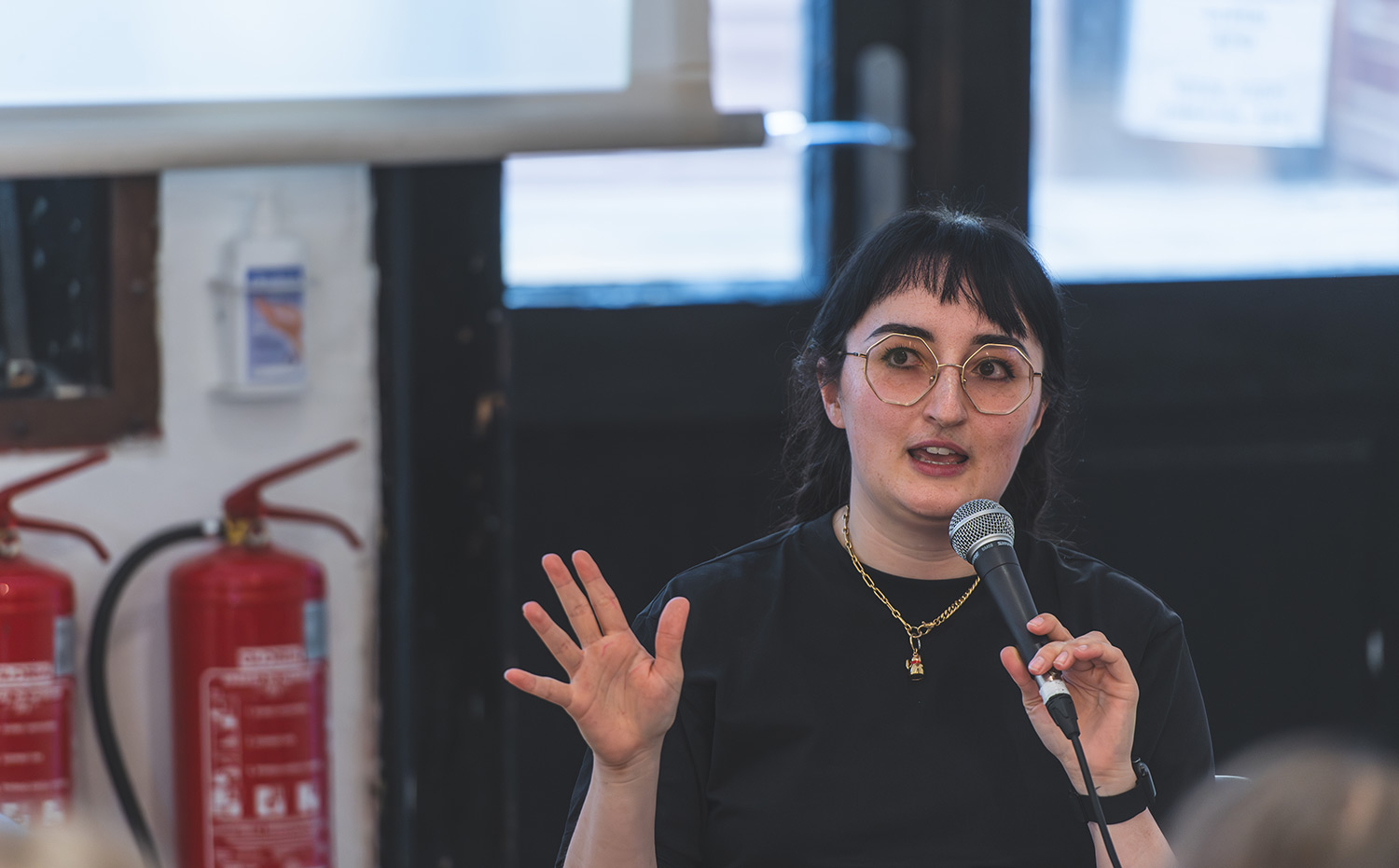
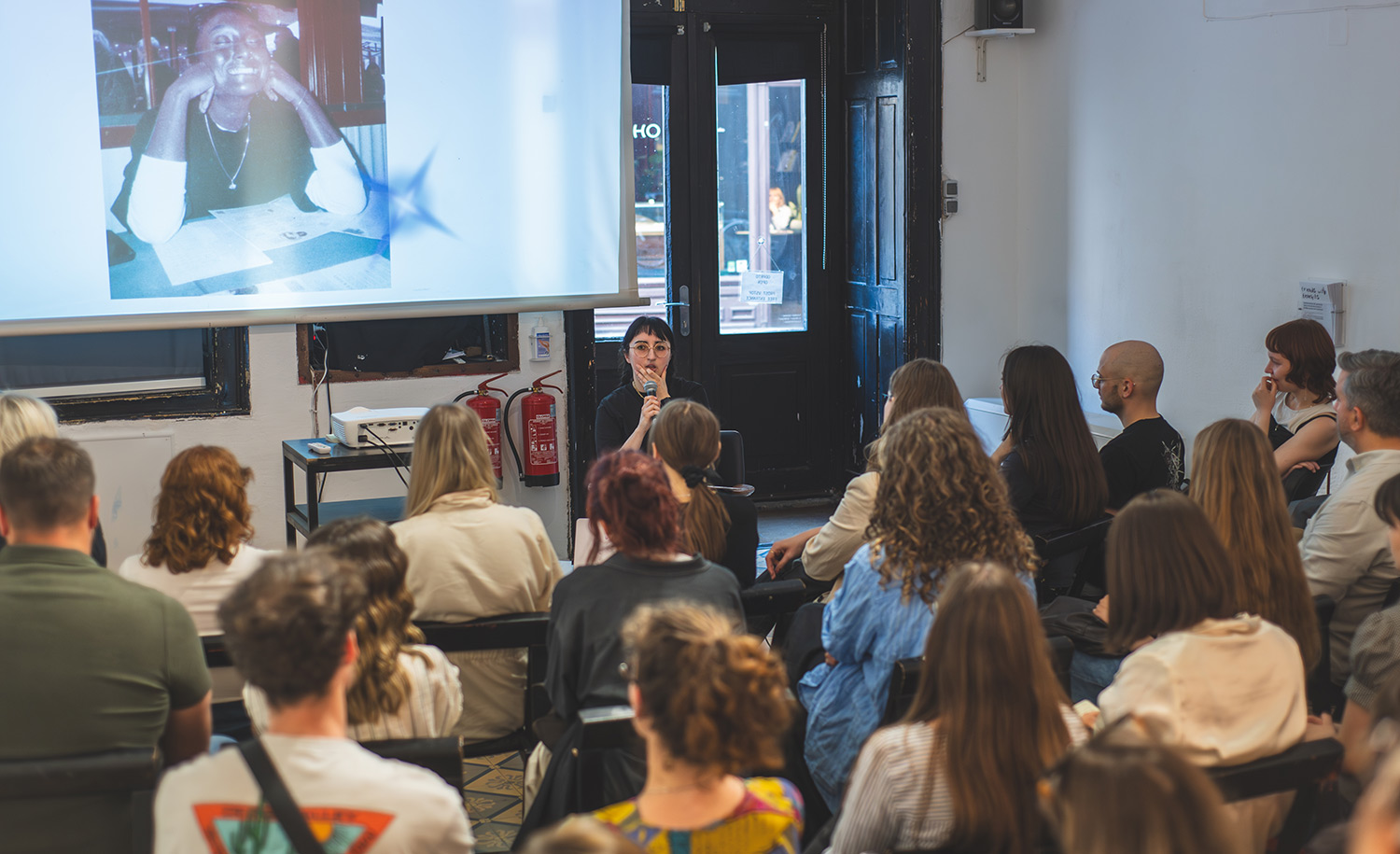
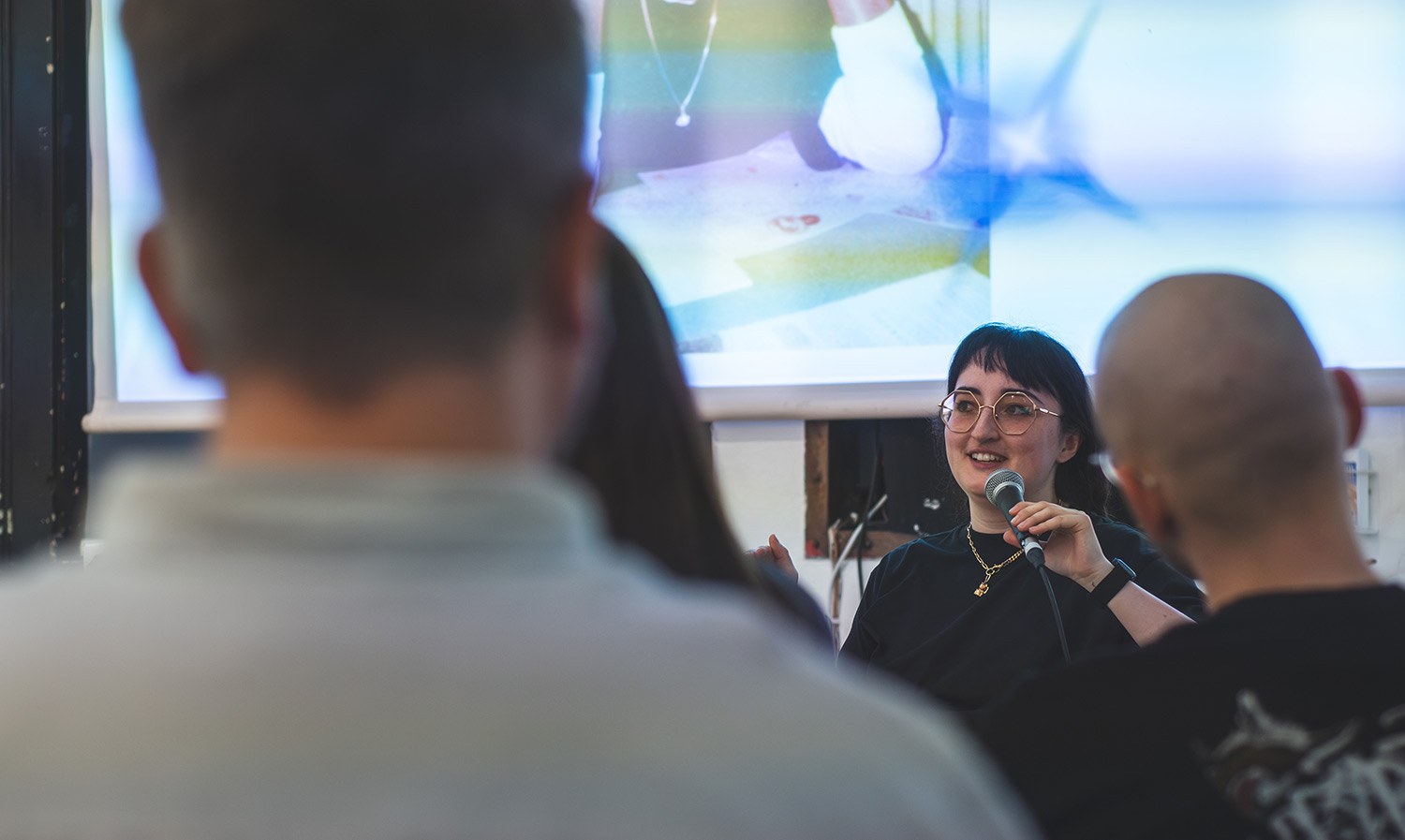
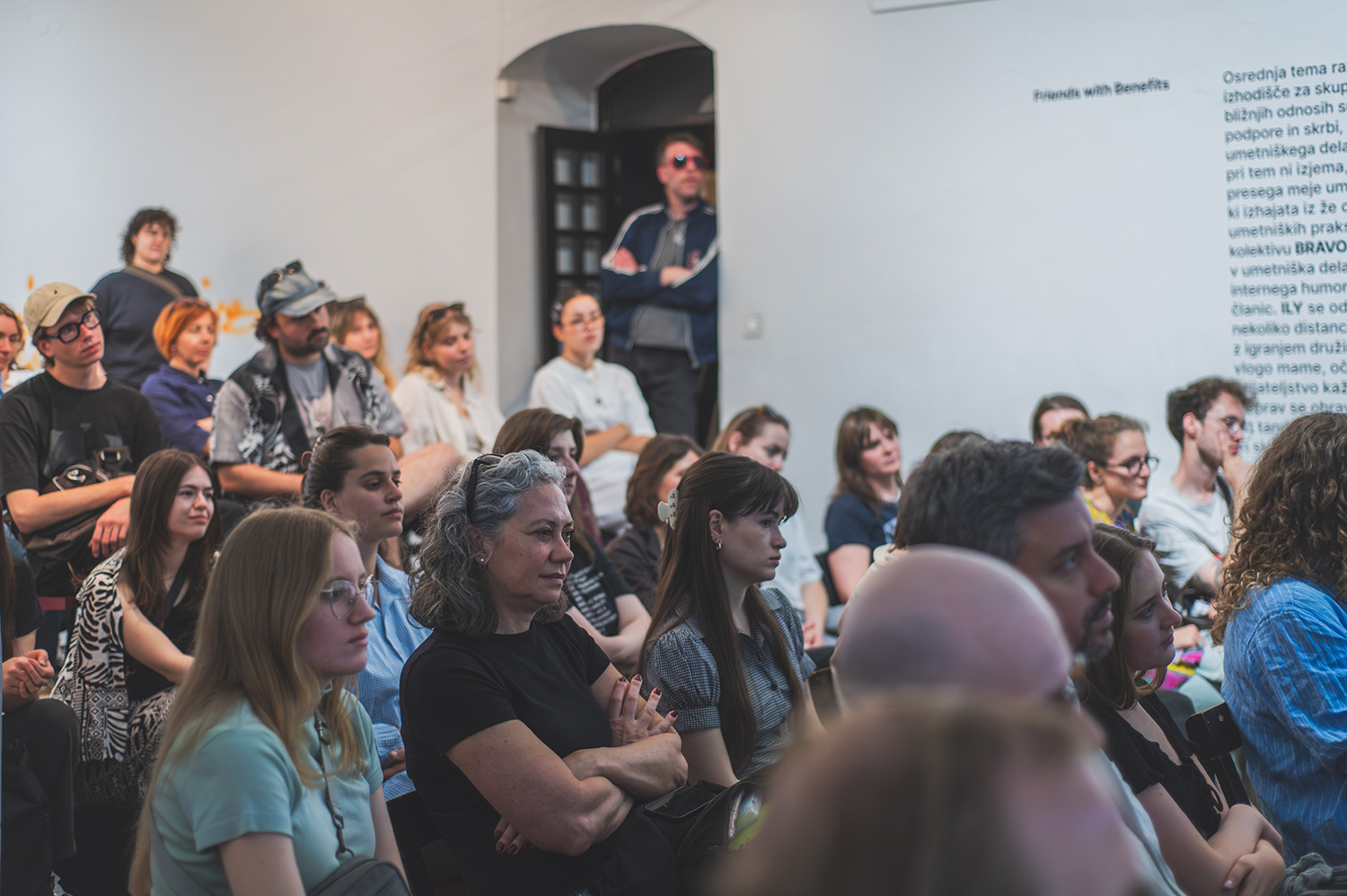
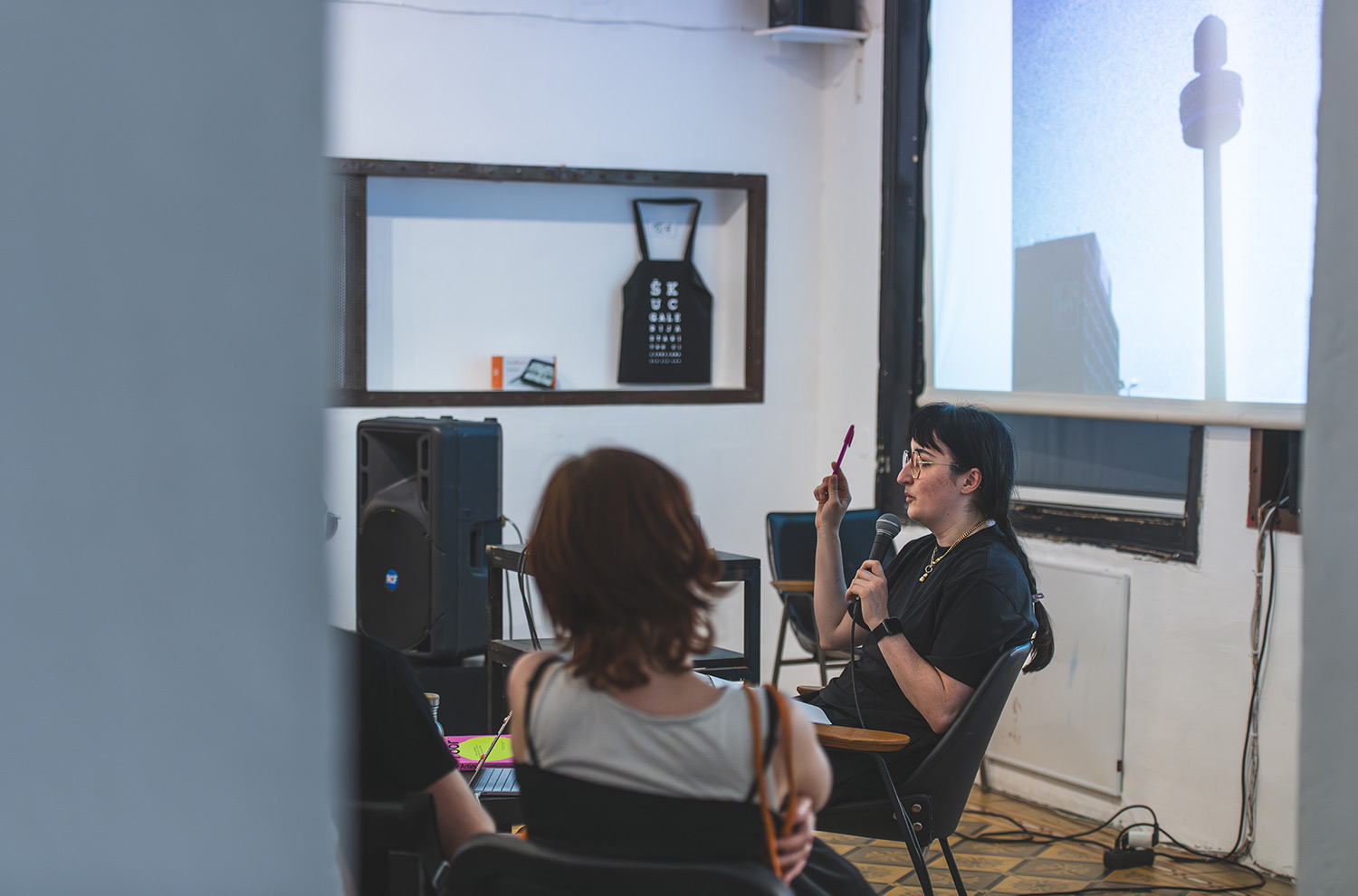
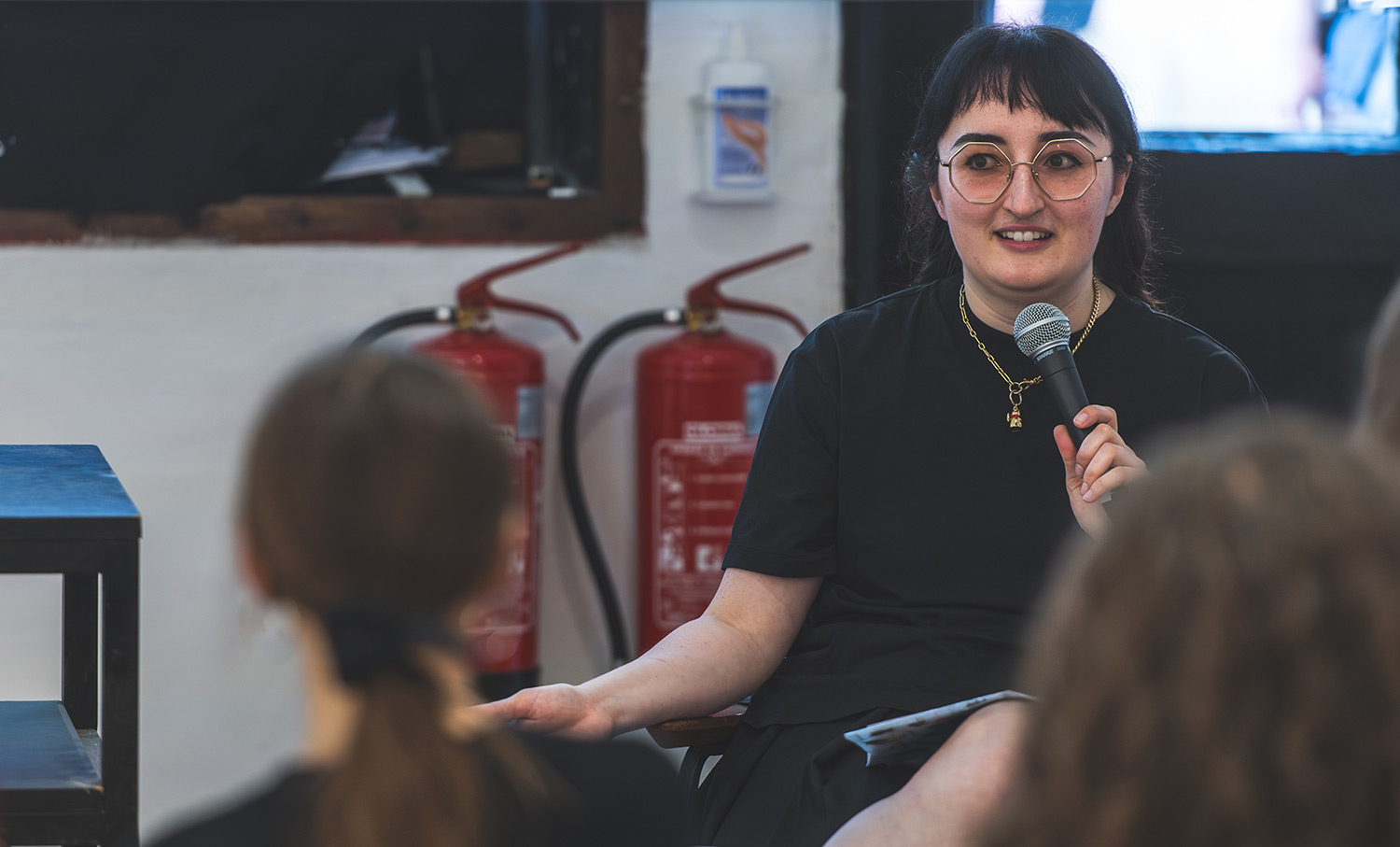
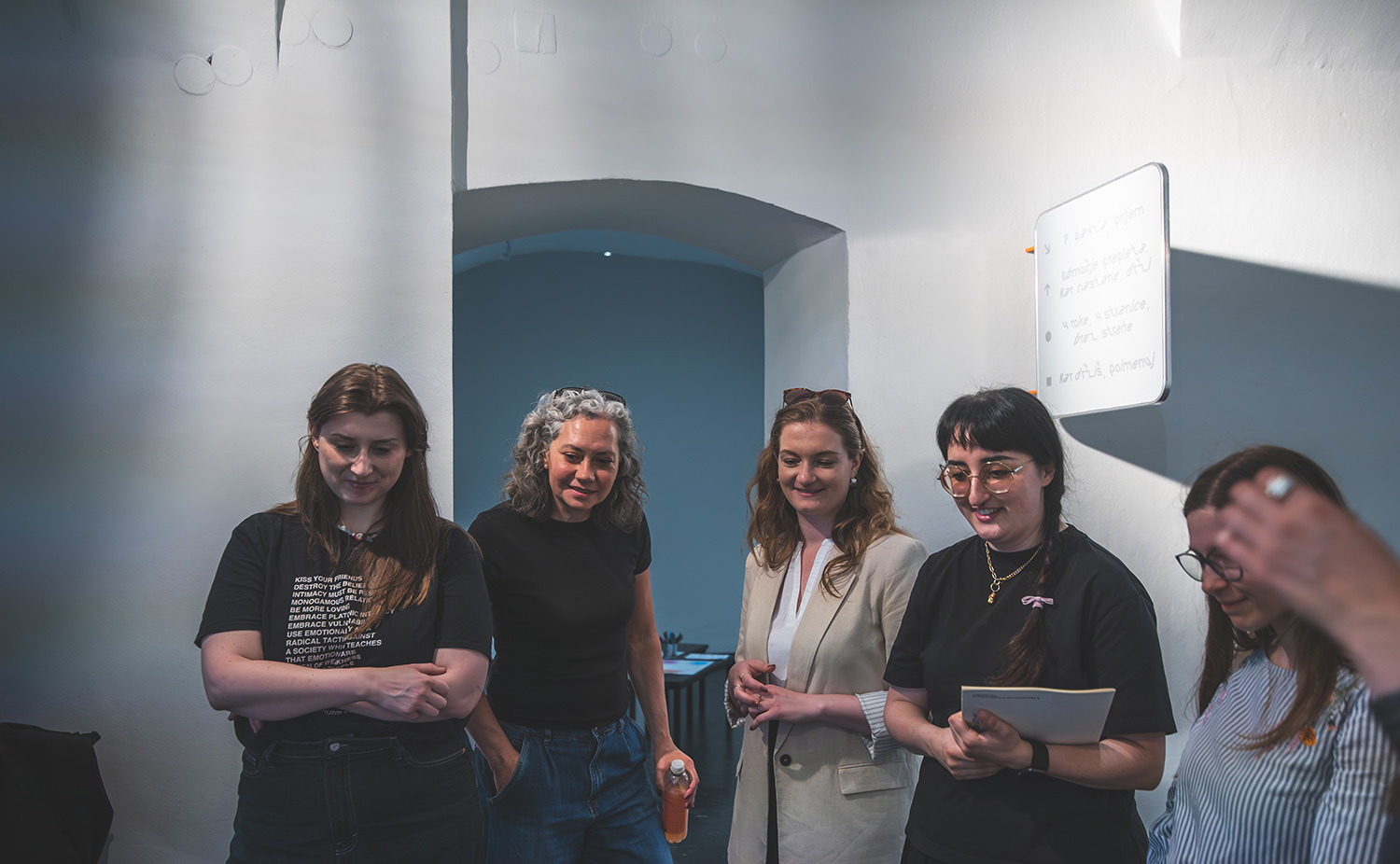
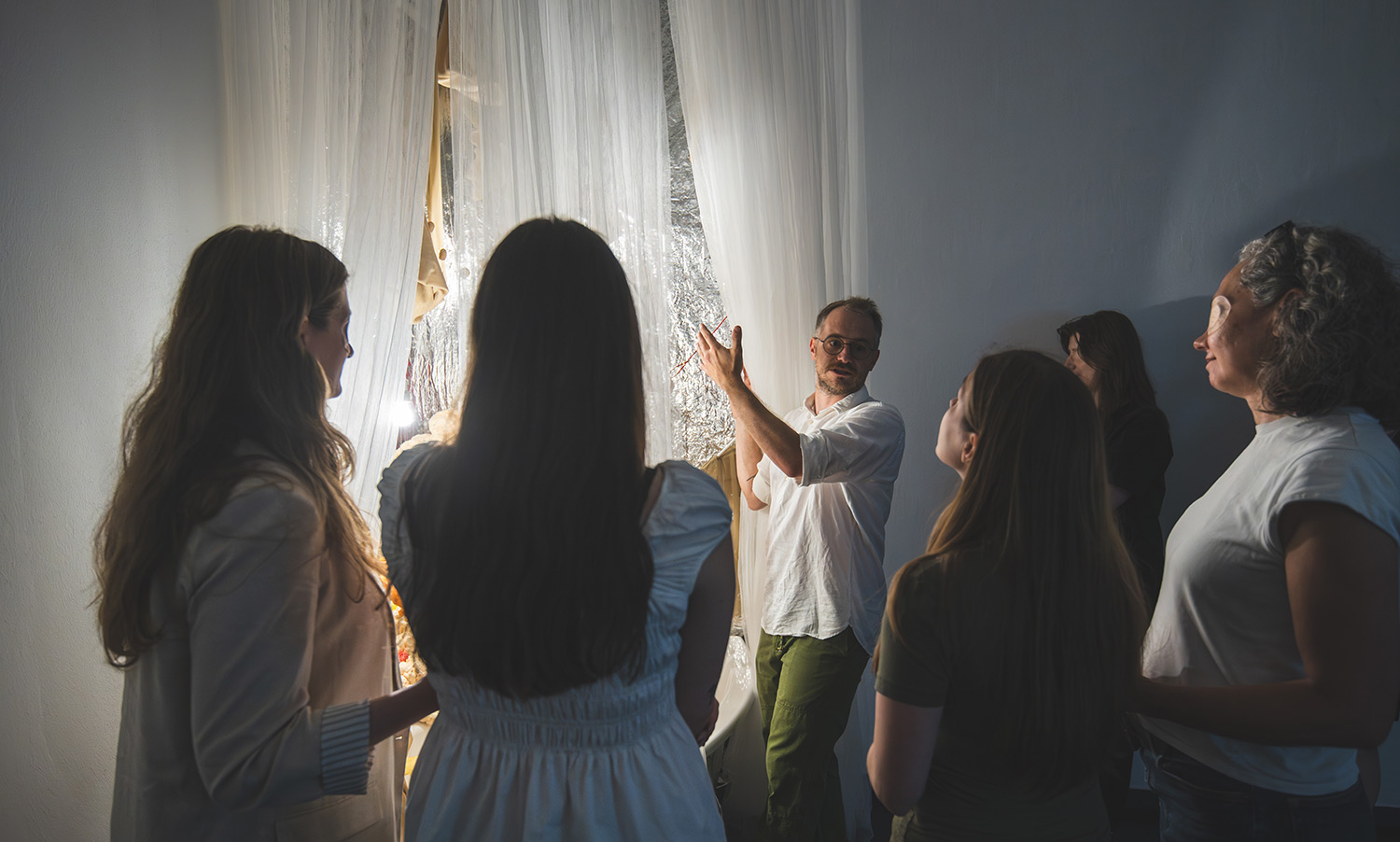
Viewing of the exhibition with Peter Rot (MDSSNG), teacher of people with visual impairments, and the curators (photo: Simao Bessa / SCCA-Ljubljana archive)
Visiting
Entry to the exhibition and all accompanying events is free of charge. Škuc Gallery is equipped with a ramp for persons with reduced mobility at the entrance (width 150 cm) and in the space (width 106 cm). The inner courtyard and the toilets of the gallery are not accessible to wheelchair users. Accessible toilets are available at the Druga violina restaurant next door. Please contact the restaurant staff for assistance. The toilet in the gallery is gender-neutral. Free tap water is available. The gallery is not equipped with a hearing loop. The exhibition text, artwork descriptions and artists’ biographies are available in print for people with visual impairments and in a document adapted for use with a speech synthesizer (both in Slovenian and English). A portable magnifying glass can be borrowed at the reception. A guided tour of the exhibition with a teacher of people with visual impairments will be organized for people with blindness and visual impairments, as well as a guided tour of the exhibition accompanied by a Slovenian sign language interpreter (both in Slovenian). An easy-to-read booklet in Slovenian will be published during the exhibition, which will be available in the gallery and on the World of Art School website. As we want to make the visit to the exhibition safe also for people with compromised immune systems, we recommend the use of protective masks. Dogs are welcome. The staff can provide a bowl of water for them.
Arriving
The nearest bus stop to the gallery is Gornji trg (180 m), where bus lines 2, 3, 11, 19 and 27 stop. More information is available on the LPP website or by calling LPP (+386 1 582 2425, +386 51 449 992). Most buses are equipped with a ramp, but we still recommend that you call LPP to inquire about the accessibility of the bus during your time slot. The gallery is in the pedestrian zone in the centre of Ljubljana. The nearest driveway for cars is 50 m away. The streets in the immediate vicinity are paved. You can catch a ride with the free Kavalir vehicle service in the pedestrian zone, which can be ordered from 6 am to 10 pm by phone (+386 31 666 331, +386 31 666 332, +386 31 666 299). Some vehicles are accessible for wheelchair users; we advise you to call ahead to inquire. The nearest pay parking place with disabled parking spaces (14) is the Kongresni trg Parking House (550 m), the nearest disabled parking place (1) for short-term parking is on Levstikov trg (100 m). For more information, contact JP LPT (+386 1 300 1200). A map of the accessibility of locations in the centre of Ljubljana and other useful information is also available on the website of the Slovenian Paraplegic Association.
COLOPHON
Slovenian proofreading: Inge Pangos
English translation: Arven Šakti Kralj
Cover image: Lea Jelenko
Leaflet design: Lea Jelenko
Production: World of Art/SCCA-Ljubljana
Co-production: Škuc Gallery
Supported by: Ministry of Culture of the Republic of Slovenia, Municipality of Ljubljana – Department for Culture
Partners: Zavod Risa, Druga violina, Azil Bookstore (ZRC SAZU), Inter-Municipal Association of the Blind and Visually Impaired Nova Gorica
Sponsors: DIOPTA, d. o. o., Ljubljana, Pizzeria FoculuS, Nord Hard Seltzer, Zdrava Trgovinca
Acknowledgements: associates of the World of Art School 2024/26 programme, Aleš Barle, Lar Nikolaj Leskovar, Barbara Leskovar, Papa BRAVO, Uhan family, Iris Lukšič, Obenauf, Urška Murovec
The World of Art School programme is developed in partnership with Cukrana/MGML and supported by the Ministry of Culture of the Republic of Slovenia.